
It can be very worrying when your dog is weak and has stopped eating or drinking. A temporary loss of appetite can sometimes occur with minor illness or stress, but refusing both food and water while also becoming weak is more concerning.
Water is essential for maintaining normal body functions, and a dog that is not drinking can become dehydrated, particularly if it is also vomiting, has diarrhea, or is losing fluids for another reason.
Persistent weakness and refusal of both food and water should therefore be taken seriously.
Table of Contents
Dog Is Weak and Not Eating or Drinking: Here's Why
A dog may become weak and stop eating or drinking because of nausea, pain, dehydration, infection, gastrointestinal illness, dental problems, or an underlying condition affecting the body’s organs.
Some dogs may initially show only reduced appetite and water intake before other symptoms become obvious.
The combination of weakness and refusal to drink is particularly important because dehydration can develop as the problem continues.
The cause may be relatively simple, but a dog that remains unwilling to eat or drink can also have an illness requiring immediate veterinary care.
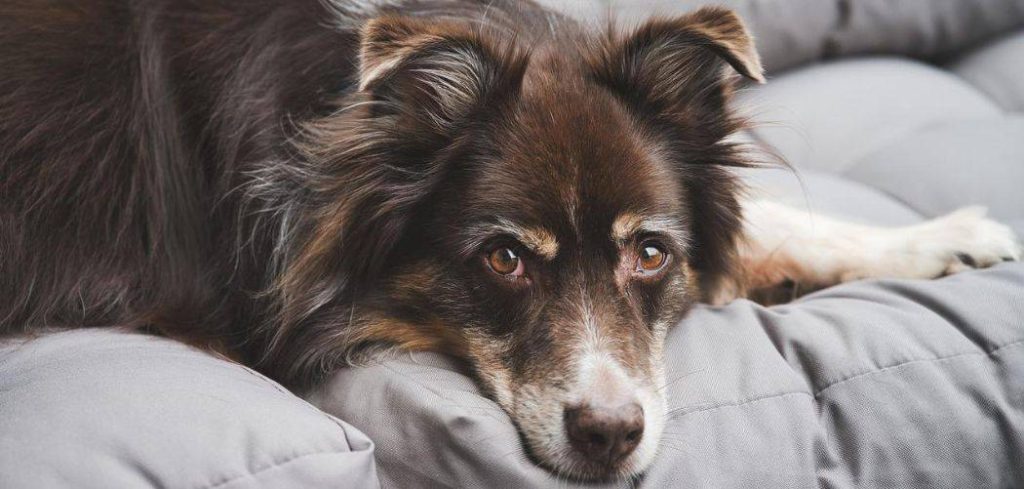
Dog Is Weak and Not Eating or Drinking: Symptoms
Depending on the underlying problem, other symptoms may occur at the same time, including:
Weakness or low energy
Refusing food
Refusing water
Sleeping more than usual
Dry or sticky gums
Vomiting
Diarrhea
Reduced urination
Dog Is Weak and Not Eating or Drinking: Common Causes
Nausea or Stomach Upset
Nausea can make a dog lose interest in both food and water. Gastrointestinal upset may occur after eating something unusual, dietary changes, or other causes of stomach irritation.
Some dogs may also lick their lips, drool, swallow repeatedly, vomit, or develop diarrhea.
Mild stomach upset may resolve, but weakness combined with continued refusal to drink is more concerning because fluid loss and reduced intake can contribute to dehydration.
Related: Dog throwing up and weak legs (Causes and when to worry)
Dehydration
Dehydration can both result from and contribute to weakness. A dog may lose fluids through vomiting, diarrhea, excessive panting, fever, or another illness and then become increasingly reluctant to drink.
Signs can include dry or sticky gums, reduced urination, weakness, and a generally dull appearance.
A dehydrated dog may require veterinary fluid therapy, particularly if it cannot keep water down or refuses to drink.
Pain
Pain can cause a dog to lose interest in food and water. Dental disease, abdominal discomfort, arthritis, injuries, and other painful conditions may all affect normal eating and drinking.
Some dogs hide pain and may simply become quieter or less interested in normal activities.
If your dog appears uncomfortable, pants excessively, trembles, changes position repeatedly, or reacts to touch, veterinary evaluation is important.
Related: Dog Feeling Weak and Not Eating (Causes and what to do)
Gastrointestinal Disease
Conditions affecting the stomach or intestines can cause vomiting, diarrhea, abdominal discomfort, loss of appetite, and weakness.
A dog with significant gastrointestinal illness may refuse both food and water, especially if nausea is severe.
Persistent vomiting, bloody diarrhea, abdominal pain, or worsening weakness requires prompt veterinary attention.
Infection or Fever
Infections can reduce appetite and cause lethargy or weakness. Depending on the type and location of the infection, other signs may include fever, coughing, nasal discharge, vomiting, diarrhea, or changes in urination.
A sick dog may stop drinking as well as eating, increasing the risk of dehydration.
A veterinary examination may be needed to identify the source of an infection and determine appropriate treatment.
Dental or Mouth Problems
A painful mouth can make eating difficult and may also reduce drinking. Dogs with dental disease may approach food but then walk away, chew carefully, drool, or paw at the mouth.
Bad breath and difficulty chewing can also occur.
Because some oral problems are hidden below the gumline, a veterinary dental examination may be necessary.
Kidney Disease
Kidney problems can affect appetite, energy, and hydration. Dogs with kidney disease may develop changes in drinking and urination, nausea, weight loss, and weakness.
Although increased thirst is common with some kidney conditions, an unwell dog may eventually become reluctant to eat or drink.
Blood and urine testing can help a veterinarian assess kidney function and determine whether kidney disease is contributing to the symptoms.
Liver, Pancreatic, or Other Internal Disease
Diseases affecting the liver, pancreas, heart, or other organs can cause a combination of appetite loss and weakness.
Depending on the underlying condition, dogs may develop vomiting, abdominal discomfort, changes in stool, weight loss, increased or decreased drinking, or changes in urination.
These illnesses cannot usually be distinguished from one another based on symptoms alone, so veterinary examination and diagnostic testing may be necessary.
Related: My dog is not eating and weak but acting normal (Here’s why)
Dog Is Weak and Not Eating or Drinking: What to Do
If your dog is weak and not eating or drinking, keep your dog in a quiet, comfortable area and make fresh water easily accessible. Avoid strenuous activity while your dog is weak.
You can offer small amounts of fresh water and observe whether your dog is willing to drink.
Do not force water into your dog’s mouth, particularly if the dog is nauseated, very weak, or having difficulty swallowing, because this can create additional risks.
You can offer your dog’s usual food in a small amount, but do not force your dog to eat. If your dog repeatedly refuses food, this is important information for your veterinarian.
Monitor urination, vomiting, diarrhea, gum moisture, and overall energy.
Keep track of when your dog last ate and drank and whether the weakness is getting better or worse.
If your dog has vomited or had diarrhea, note how often it happened and whether there was blood or an unusual appearance. This information can help your veterinarian assess the situation.
Do not give human medications, electrolyte products, or appetite stimulants unless your veterinarian specifically recommends them.
Some products intended for people can be harmful to dogs.
Because refusal of both food and water combined with weakness can become serious, contact your veterinarian if your dog continues refusing fluids or appears increasingly weak.
When to Call or Visit the Vet
A dog that is weak and refusing both food and water deserves closer attention than a dog that simply skips a meal.
The need for veterinary care becomes more urgent if other symptoms develop or the dog is unable to maintain fluid intake.
Schedule an appointment if you notice:
Persistent refusal of food
Reduced or absent water intake
Weakness that continues
Sleeping much more than usual
Reduced urination
Recurring vomiting
Diarrhea
Weight loss
Signs of dental or mouth pain
Changes in normal behavior
Seek emergency veterinary attention immediately if your dog develops:
Collapse
Inability to stand or walk
Severe weakness
Repeated vomiting and inability to keep water down
Severe abdominal pain or swelling
Difficulty breathing
Pale, white, gray, or bluish gums
Seizures
Severe dehydration
Sudden severe deterioration
Dog Is Weak and Not Eating or Drinking: Treatment
Veterinary treatment for a dog that is weak and not eating or drinking starts with a thorough physical examination, including assessment of hydration, mouth and teeth, abdomen, heart, lungs, body condition, and overall physical status.
The veterinarian may recommend blood tests, urinalysis, X-rays, ultrasound, or other diagnostic testing when appropriate to identify the underlying problem.
Treatment may include fluids, prescription medication for nausea or pain, nutritional support, dental treatment, antibiotics when an appropriate infection is diagnosed, or other targeted therapy based on the cause.
Key Takeaway
A dog that is weak and not eating or drinking may have nausea, dehydration, pain, gastrointestinal disease, infection, dental problems, kidney disease, or another underlying illness.
The combination of weakness and refusal to drink is particularly important because dehydration can develop or worsen when fluid intake remains low.
Keep fresh water available, allow your dog to rest, and never force food or water into the mouth.
Avoid human medications unless your veterinarian specifically recommends them.
If your dog continues refusing food and water, becomes increasingly weak, vomits repeatedly, cannot keep fluids down, or develops severe symptoms, contact your veterinarian immediately.
Early veterinary assessment can help identify the cause and provide the fluids and treatment your dog may need.