
It can be concerning when a dog stops eating and appears weak but otherwise continues to behave normally.
A dog may still greet its owner, move around normally, and remain interested in its surroundings despite eating less than usual, making it difficult to determine whether an underlying problem is present.
A temporary appetite change can happen for several reasons, but weakness combined with reduced appetite deserves attention.
Dogs can sometimes hide early signs of illness, and subtle changes may become more noticeable if the problem continues.
Table of Contents
Dog Not Eating and Weak but Acting Normal: Why It Happens
A dog may stop eating and seem weak while otherwise acting normal because of a mild digestive upset, stress, changes in food, dental discomfort, pain, or an illness that is still in its early stages.
Some dogs continue behaving normally despite a reduced appetite, so the absence of obvious illness does not necessarily mean there is no underlying problem.
How long your dog has been refusing food, whether it is still drinking, and whether the weakness is genuine or simply lower energy can help determine how concerning the situation is.
Other changes, such as vomiting, diarrhea, weight loss, increased thirst, or changes in urination, can provide additional clues.
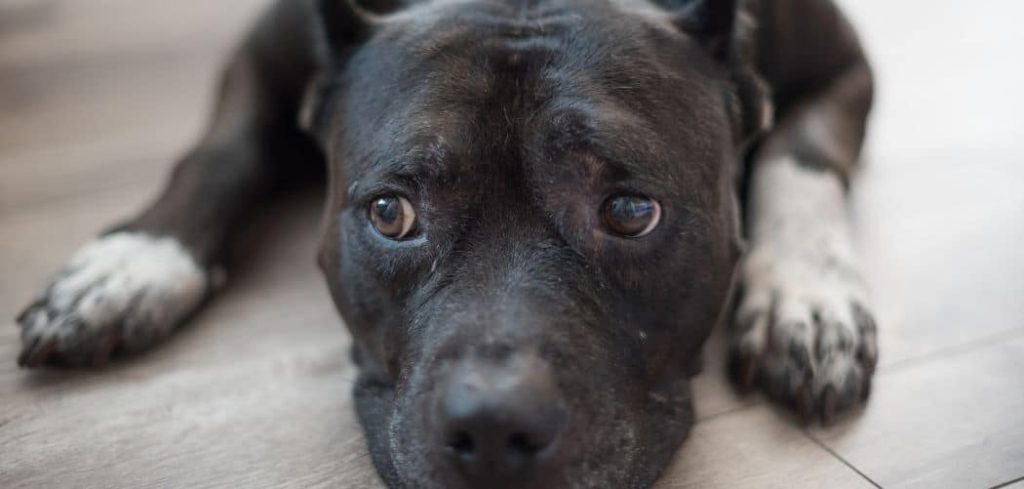
Dog Not Eating and Weak but Acting Normal: Symptoms
Depending on the underlying problem, other symptoms may occur at the same time, including:
Eating less or refusing food
Lower energy than usual
Mild weakness
Sleeping more
Slower movement
Reduced interest in treats
Drinking more or less than usual
Subtle weight loss
Dog Not Eating and Weak but Acting Normal: Common Causes
Mild Stomach Upset
A mild digestive disturbance can temporarily reduce appetite and energy. Your dog may have eaten something that did not agree with its stomach or may be experiencing mild nausea.
Some dogs show little more than reduced interest in food. Others may develop soft stool, gas, lip licking, grass eating, or an occasional episode of vomiting.
If your dog continues drinking and otherwise seems comfortable, close monitoring may be reasonable for a short period. Persistent appetite loss or worsening weakness should be assessed by a veterinarian.
Related: Dog Feeling Weak and Not Eating (Causes and what to do)
Stress or Changes in Routine
Stress can affect a dog’s appetite even when the dog otherwise appears normal. Changes in household routines, visitors, travel, boarding, moving, loud noises, or other environmental changes may cause temporary appetite changes.
Some dogs become quieter or less energetic when stressed, while others show few obvious behavioral signs.
If there has been a recent change in your dog’s environment, maintaining a calm and predictable routine may help.
However, ongoing loss of appetite should not automatically be blamed on stress.
Food Changes or Reduced Appetite
A sudden change in food, different ingredients, spoiled food, or simply becoming less interested in a particular diet can cause a dog to eat less.
Some dogs may refuse their regular meal but still accept treats or another type of food. Others may lose interest in everything they are offered.
If the appetite change persists, it is important to consider medical causes rather than assuming your dog is simply being picky.
Related: Dog throwing up and weak legs (Causes and when to worry)
Dental or Mouth Pain
Dental disease can make eating uncomfortable while leaving a dog otherwise alert and interactive.
A dog may approach food but hesitate to eat, chew slowly, drop pieces, or prefer softer food.
Bad breath, drooling, pawing at the mouth, or chewing on one side can also occur.
Dogs do not always show obvious signs of dental pain, so a change in eating behavior can be an important clue.
Pain
Pain anywhere in the body can reduce appetite and energy. Arthritis, an injury, abdominal discomfort, or another painful condition may cause a dog to eat less while still behaving relatively normally.
Some dogs hide pain well, particularly during periods of excitement or activity.
Look for subtle changes such as reluctance to jump, stiffness, difficulty getting up, unusual sleeping positions, or sensitivity when touched.
Early Illness or Infection
Some illnesses begin with subtle symptoms such as reduced appetite and lower energy before more obvious signs develop.
Depending on the underlying condition, vomiting, diarrhea, coughing, fever, increased thirst, changes in urination, or other symptoms may appear later.
If your dog continues to refuse food or seems increasingly weak, a veterinary examination can help identify a problem before it becomes more serious.
Kidney, Liver, or Other Internal Disease
Internal diseases can affect appetite and energy while a dog still appears relatively normal during the early stages.
Kidney problems, liver disease, pancreatic disorders, and other conditions can cause reduced appetite, nausea, weakness, weight changes, or changes in drinking and urination.
Blood and urine testing may be needed to identify abnormalities that cannot be detected simply by observing your dog at home.
Anxiety or Other Behavioral Factors
Some dogs eat less when they are anxious, unsettled, or experiencing changes in their environment.
The dog may continue interacting normally while simply showing less interest in food.
Behavioral causes should be considered alongside medical causes, especially if the appetite change continues.
If there is no obvious environmental explanation or the weakness is genuine, veterinary assessment is appropriate.
Related: Old dog feeling weak and not eating (Causes and when to worry)
Dog Not Eating and Weak but Acting Normal: What to Do
Start by observing your dog closely rather than focusing only on whether the food bowl is empty.
Note whether your dog is drinking normally, urinating, having normal bowel movements, and behaving normally during everyday activities.
Offer your dog’s usual food and keep fresh water available.
Avoid repeatedly changing foods or giving large amounts of treats simply to encourage eating, as this can make it harder to determine whether your dog’s normal appetite is returning.
If your dog seems interested in food but cannot chew comfortably, check whether there are signs of mouth or dental discomfort. Do not force food into your dog’s mouth.
Keep activity gentle while your dog appears weak. Avoid strenuous exercise, running, and rough play until you know why energy levels have changed.
Monitor your dog’s weight if possible and keep a record of how much food is being eaten. Note when the appetite change began and whether the weakness is improving, staying the same, or getting worse.
A short video of your dog’s normal movement can be helpful if the weakness is subtle or intermittent.
Do not give human medications or appetite stimulants unless your veterinarian specifically recommends them. Some medications intended for people can be harmful to dogs.
If your dog refuses food for a prolonged period, becomes increasingly weak, or develops additional symptoms, contact your veterinarian.
When to Call or Visit the Vet
A dog that skips an occasional meal but remains energetic and healthy may simply have a temporary appetite change. However, weakness makes the situation more important to monitor, even when your dog otherwise appears normal.
Schedule an appointment if you notice:
Persistent refusal to eat
Recurring appetite loss
Weakness that does not improve
Sleeping significantly more than usual
Gradual weight loss
Changes in drinking
Changes in urination
Vomiting or diarrhea
Difficulty chewing
Signs of pain
Seek emergency veterinary attention immediately if your dog develops:
Collapse
Inability to stand or walk
Severe weakness
Difficulty breathing
Repeated vomiting with marked weakness
Pale, white, gray, or bluish gums
Severe abdominal pain or swelling
Seizures
Inability to keep water down
Sudden severe deterioration
Dog Not Eating and Weak but Acting Normal: Treatment
Veterinary treatment for a dog that is not eating and appears weak starts with a thorough physical examination, including assessment of hydration, mouth and teeth, abdomen, heart, lungs, body condition, and overall physical status.
The veterinarian may recommend blood tests, urinalysis, X-rays, ultrasound, or other diagnostic testing when appropriate to identify problems that may not be obvious at home.
Treatment may include fluids, prescription medication for nausea or pain, dental treatment, nutritional support, antibiotics when an appropriate infection is diagnosed, or other targeted therapy based on the underlying cause.
Key Takeaway
A dog that is not eating and weak but acting normal may have a mild stomach upset, stress, food-related issue, dental discomfort, pain, or an early medical problem.
Dogs can sometimes continue acting relatively normal even when something is beginning to affect their health.
Monitor your dog’s appetite, hydration, energy, weight, and bathroom habits, while keeping activity gentle. Avoid human medications and do not force your dog to eat.
If the appetite loss or weakness persists, worsens, or is accompanied by vomiting, diarrhea, pain, breathing difficulties, abnormal gums, or collapse, contact your veterinarian immediately.
Getting advice early can help determine whether your dog simply needs monitoring or requires treatment.