
When your dog has not pooped in 24 hours, it can be concerning, especially if they normally have regular bathroom habits.
Changes in bowel movements may signal digestive upset, dehydration, stress, or an underlying medical issue.
We outline the common causes of a dog not pooping for 24 hours, what you can do at home, and when to seek veterinary care.
Table of Contents
Dog Has Not Pooped in 24 Hours: Here's Why
A dog may not poop for 24 hours because of reduced food intake, dehydration, slowed intestinal movement, mild constipation, stress, or discomfort affecting normal bowel function. When digestion slows, stool moves more slowly through the colon and becomes drier, making it harder to pass.
Changes in routine, diet, activity level, or health can temporarily interrupt normal bowel patterns.
While a short delay is often harmless, persistent absence of bowel movements can indicate developing constipation or intestinal blockage.
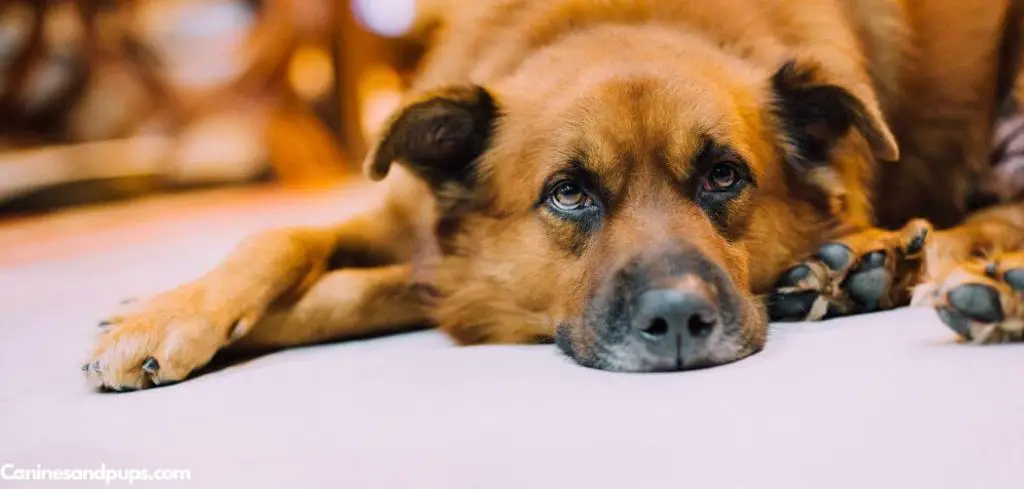
Dog Has Not Pooped in 24 Hours but Acting Normal
A dog that has not pooped for 24 hours but is otherwise acting normal may not necessarily have a serious problem.
Changes in diet, reduced food intake, travel, stress, or a temporary slowdown in digestion can result in fewer bowel movements.
If the dog is eating, drinking, active, and not straining, a single day without a bowel movement is often not an emergency.
However, if the lack of stool continues beyond 48 hours or is accompanied by vomiting, abdominal swelling, or discomfort, veterinary evaluation is needed.
Dog Has Not Pooped in 24 Hours: Common Causes
Mild Constipation From Dehydration
One of the most common reasons a dog does not poop for 24 hours is mild dehydration.
When a dog is not drinking enough water, the colon absorbs more moisture from stool, making it dry, hard, and difficult to pass. This slows bowel movements and may cause temporary constipation.
You may notice smaller, firmer stools later on, straining when trying to poop, or reduced interest in water.
Dehydration often develops after illness, hot weather, travel, or changes in routine. If untreated, it can worsen constipation over time.
Related: Dog pooping bloody mucus but acting normal (What it means)
Reduced Food Intake or Fasting
Dogs that eat less than normal will naturally produce less stool. If your dog skipped meals, had nausea, recently fasted, or was recovering from illness, there may simply not be enough material in the digestive tract to form stool.
In these cases, your dog may otherwise seem normal and active. Once appetite returns, bowel movements usually resume within a day.
However, prolonged poor appetite combined with no bowel movement requires evaluation.
Stress and Environmental Changes
Stress has a powerful effect on digestion. Changes such as moving homes, boarding, visitors, new pets, travel, or schedule disruptions can temporarily shut down normal bowel habits. The nervous system slows intestinal movement during stressful situations.
A stressed dog may hold stool intentionally or lose the urge to defecate. You may notice pacing, hiding, appetite changes, or clinginess. Once stress resolves, bowel habits often return to normal.
Low Physical Activity and Reduced Exercise
Exercise helps stimulate intestinal contractions that move stool through the colon. Dogs that suddenly become less active due to illness, injury, weather, or aging may experience slowed digestion.
A sedentary dog may seem comfortable but go longer between bowel movements. Over time, this can lead to constipation if activity levels remain low. Gentle movement often helps restore normal bowel function.
Early or Developing Constipation
A dog who has not pooped in 24 hours may be in the early stages of constipation. As stool sits in the colon, it becomes drier and harder.
This makes passing it more difficult, creating a cycle of worsening blockage.
You may notice straining, squatting without results, discomfort, whining, or licking around the rear. Early constipation is easier to treat than advanced impaction, so monitoring is important.
Partial Intestinal Blockage or Digestive Disorder
In more serious cases, lack of bowel movement may be caused by a partial obstruction from swallowed objects, hair, bones, or foreign material. Inflammatory bowel disease, tumors, or nerve disorders can also disrupt normal motility.
These dogs may show vomiting, bloating, pain, lethargy, or loss of appetite. A blockage is a medical emergency and requires prompt veterinary care.
Related: Dog has not pooped in 2 days (Should you worry?)
Dog Has Not Pooped in 24 Hours After Diarrhea
It is fairly common for a dog not to poop for a day after experiencing diarrhea. Diarrhea can empty much of the intestinal contents, leaving little stool available to pass afterward.
The digestive tract may also need time to recover before normal bowel movements resume.
As long as the dog is feeling better, staying hydrated, and showing no signs of pain or straining, a temporary pause in bowel movements after diarrhea is usually expected.
Newborn Puppy Has Not Pooped in 24 Hours
A newborn puppy that has not pooped for 24 hours requires close attention. Very young puppies depend on stimulation from their mother to urinate and defecate.
If the mother is not properly cleaning the puppy or the puppy is being hand-raised, constipation can develop. Newborn puppies can become sick quickly if waste is not passed normally.
A veterinarian should be consulted if the puppy appears bloated, uncomfortable, weak, or continues to go without a bowel movement.
Puppy Has Not Pooped in 24 Hours
A puppy that has not pooped in 24 hours may be experiencing mild constipation, dietary changes, dehydration, or stress from a new environment.
Puppies typically have frequent bowel movements, so an entire day without pooping is less common than in adult dogs.
Monitoring the puppy’s appetite, water intake, activity level, and signs of straining can help determine whether the issue is temporary or requires veterinary attention.
Puppy Has Not Pooped in 24 Hours but Acting Normal
If a puppy has not pooped for 24 hours but is still eating, drinking, playing, and behaving normally, the situation may not be urgent.
Minor digestive slowdowns can occur after dietary changes, travel, or routine disruptions. In many cases, normal bowel movements resume within the next day.
However, because puppies can deteriorate more quickly than adult dogs, persistent constipation or any signs of discomfort should be evaluated by a veterinarian.
Old Dog Has Not Pooped in 24 Hours
An older dog that has not pooped for 24 hours may be experiencing age-related slowing of the digestive system, reduced activity, dehydration, medication side effects, or underlying health conditions.
Senior dogs are also more prone to constipation due to arthritis, which can make it uncomfortable to assume a normal posture for defecation.
If the dog is otherwise acting normally, monitoring for another day may be reasonable.
However, if constipation continues, the dog strains unsuccessfully or develops lethargy, vomiting, or abdominal discomfort, veterinary assessment is needed.
What to Do If Your Dog Has Not Pooped in 24 Hours
Begin by encouraging hydration. Make sure fresh water is always available and consider adding moisture to meals with wet food or broth. Proper hydration helps soften stool and stimulate bowel movement.
Increase gentle activity if your dog is physically able. Short walks and light play can stimulate intestinal movement and encourage defecation. Avoid strenuous exercise if your dog seems unwell.
Offer a balanced, fiber-rich diet. Adding small amounts of canned pumpkin (plain, not pie filling) or veterinarian-approved fiber supplements can help bulk and soften stool. Avoid giving large amounts without guidance.
Maintain a calm, predictable routine. Reduce stressors, provide consistent feeding times, and allow your dog plenty of time outside to relieve themselves without pressure.
Monitor closely over the next 24 hours. If your dog passes stool and appears comfortable, the issue may resolve on its own. If not, veterinary advice is needed.
When to Call or Visit Your Vet
Contact your veterinarian if your dog has not pooped for more than 48 hours. Prolonged absence of bowel movements increases the risk of impaction and intestinal damage.
Seek immediate care if your dog strains repeatedly without producing stool, cries in pain, vomits, has a swollen abdomen, or becomes lethargic. These are warning signs of blockage or severe constipation.
You should also call the vet if there is blood in the stool, sudden weight loss, ongoing appetite loss, or if your dog has a history of digestive disease.
Puppies, senior dogs, and dogs with chronic illnesses should be evaluated sooner if bowel changes occur.
Related: Dog pooping mucus but acting normal (What it means)
Key Takeaway
A dog that has not pooped in 24 hours is often experiencing mild digestive slowing from dehydration, stress, or diet changes.
With proper hydration, gentle activity, and monitoring, many dogs return to normal quickly.
If bowel movements do not resume or your dog shows signs of discomfort, your veterinarian can help identify and treat the underlying cause.


