
When a dog has diarrhea every hour, it’s an alarming situation that can quickly lead to dehydration, electrolyte imbalances, and worsening illness.
Frequent, urgent episodes of loose stool usually mean something is irritating the digestive tract or preventing normal fluid absorption.
In this guide, we explain the reasons why a dog may have diarrhea every hour, what you can do at home, and when to involve your veterinarian.
Table of Contents
Dog Has Diarrhea Every Hour: Why It Happens
A dog that has diarrhea every hour is typically dealing with inflammation or irritation inside the gastrointestinal tract, dietary problems, infection, parasites, or a deeper medical condition affecting digestion or fluid absorption.
Rapid, repeated diarrhea can happen when something suddenly upsets the stomach and intestines, when harmful bacteria or viruses multiply quickly, or when the body is unable to properly regulate water in the GI tract.
It may also occur if a dog consumes something toxic, develops pancreatitis, reacts to medication, or experiences intense stress.
The body tries to push the irritant out as fast as possible, leading to frequent watery stools.
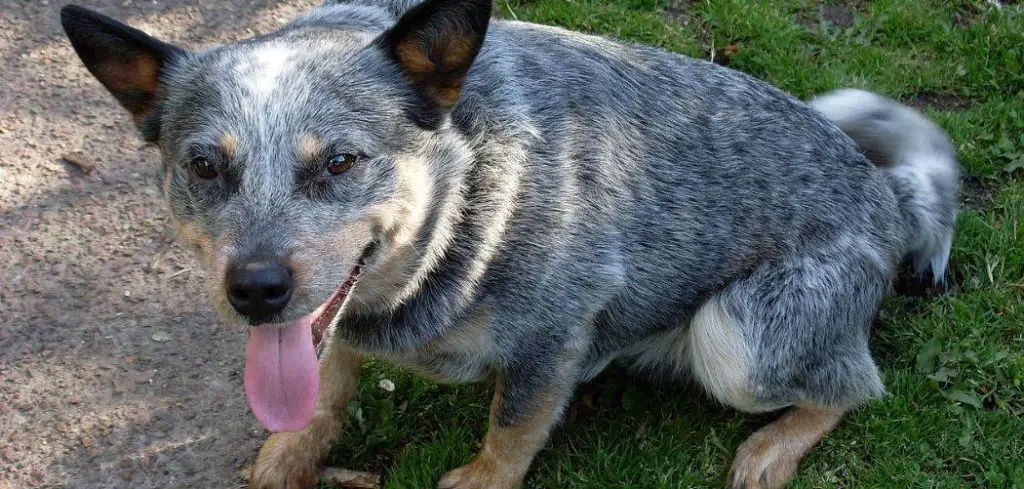
Dog Having Diarrhea Every Hour But Acting Normal
A dog that has frequent hourly diarrhea but still acts normal may be in the early stages of gastrointestinal illness. Even if energy and appetite are unchanged, the intestines may be inflamed or irritated due to dietary issues, parasites, or mild infection.
Some dogs maintain normal behavior despite significant digestive upset.
However, hourly diarrhea is not normal even when behavior appears unaffected. If it continues, veterinary evaluation is needed to prevent dehydration and identify the underlying cause before it worsens.
Related: Dog pooping blood and diarrhea but acting normal (Here’s why)
Dog Has Diarrhea Every Hour: Common Causes
Dietary Indiscretion (Garbage Gut)
Dietary indiscretion is one of the most frequent reasons a dog suddenly develops diarrhea every hour.
This occurs when a dog eats something they shouldn’t—such as spoiled food, table scraps, trash, grease, or a new treat their stomach isn’t used to.
When the gut encounters foods that are too rich, too fatty, contaminated, or simply unfamiliar, inflammation occurs quickly.
This causes the intestines to draw in excess fluid, which results in watery stool that may come out repeatedly in small or large amounts.
Dogs may also show signs such as vomiting, pacing, stomach gurgling, and sudden urgency to go outside.
While mild cases sometimes resolve with careful home management, repeated diarrhea every hour signals the irritation is severe enough to require more attention to prevent dehydration.
Related: Dog diarrhea with no other symptoms (What it means)
Parvovirus
Parvovirus is a serious viral infection that causes extremely frequent, watery, foul-smelling diarrhea—sometimes with blood. Puppies and unvaccinated dogs are especially vulnerable.
The virus severely damages the intestinal lining, preventing nutrient absorption and causing intense fluid loss. This is why dogs with parvo often have diarrhea every hour or even more frequently.
Other signs include vomiting, lethargy, loss of appetite, dehydration, and a rapid decline in energy. Parvo is life-threatening without urgent treatment because the body loses fluids faster than it can replace them.
Any dog experiencing constant diarrhea and vomiting—especially a puppy—should be evaluated immediately.
Intestinal Parasites
Parasites such as giardia, hookworms, whipworms, and coccidia can cause repeated diarrhea throughout the day. Giardia is especially known for producing loose, frothy, or mucous-filled stool that occurs frequently.
These organisms irritate the intestinal lining, interfere with digestion, and trigger the rapid movement of stool.
Even mild infections can cause a dog to have diarrhea every hour if the parasite load is high or if the dog’s immune system is compromised.
Pet owners may also notice weight loss, gas, poor appetite, or a dull coat. Parasites are common in dogs that drink from puddles, lakes, or shared water bowls at parks.
Bacterial Infection
Bacteria such as Salmonella, E. coli, and Campylobacter can invade the intestines and cause severe, frequent diarrhea.
Dogs may pick up these bacteria from contaminated food, raw diets, other animals, or the environment.
When harmful bacteria multiply, they produce toxins that irritate the gut, leading to rapid diarrhea that can occur every hour. Dogs may also experience vomiting, fever, abdominal pain, and a quick decline in hydration.
These infections often require veterinary intervention because antibiotics may be necessary depending on the strain involved.
Related: Dog pooping mucus and diarrhea (What it means)
Pancreatitis
Pancreatitis occurs when the pancreas becomes inflamed, usually due to eating fatty foods, sudden diet changes, or underlying metabolic conditions. This inflammation disrupts digestion and causes severe stomach upset.
A dog with pancreatitis may experience diarrhea every hour alongside vomiting, trembling, whining, or a hunched posture. The intestines react to the digestive enzymes leaking from the pancreas, creating pain and watery stool.
Pancreatitis ranges from mild to life-threatening, so frequent diarrhea should always be taken seriously, especially if the dog shows signs of discomfort or refuses food.
Stress
Dogs can develop stress colitis from sudden changes, boarding, loud noises, travel, new pets, or major household disruptions. This condition happens when stress hormones alter how the intestines move and process water.
A dog experiencing stress colitis may have diarrhea every hour because the digestive system becomes overly active. Stool often contains mucus and may come with urgency or straining.
While stress-related diarrhea can improve with supportive care, persistent or severe episodes should still be evaluated to rule out infections or other underlying issues.
Related: Dog throwing up and diarrhea (Causes explained)
Dog Has Diarrhea Every Hour and Vomiting
A dog with both hourly diarrhea and vomiting is experiencing a serious gastrointestinal disturbance. This combination often indicates infections, toxins, pancreatitis, intestinal blockage, or severe dietary intolerance.
Vomiting combined with frequent diarrhea increases the risk of rapid dehydration and electrolyte imbalance.
This condition should be treated as urgent. Veterinary care is necessary to stabilize the dog, stop fluid loss, and determine the underlying cause as quickly as possible.
Dog Has Diarrhea Every Hour at Night
A dog that has diarrhea every hour at night is experiencing significant intestinal irritation or inflammation.
Frequent stooling like this suggests the gut is unable to properly absorb water or is being overstimulated, which can occur with infections, parasites, dietary indiscretion, food intolerance, or inflammatory bowel conditions.
Nighttime worsening may also happen because digestion slows and abnormal gut activity becomes more noticeable when the dog is resting.
This frequency is concerning because it can quickly lead to dehydration and weakness, even if the dog initially seems stable.
Veterinary evaluation is important if hourly diarrhea continues beyond a short period or shows no improvement.
My Dog Has Diarrhea at Night But Is Acting Fne
A dog that has diarrhea at night but otherwise behaves normally may be experiencing a mild or early digestive upset.
This can be caused by diet changes, stress, eating something unusual during the day, or mild gut irritation. Many dogs maintain normal energy and appetite in the early stages of gastrointestinal issues.
Even if the dog seems fine, repeated nighttime diarrhea should be monitored. If it continues for more than 24–48 hours or becomes more frequent, veterinary testing is necessary to rule out parasites, infection, or chronic digestive disease.
Puppy Has Diarrhea Every Hour
A puppy having diarrhea every hour is a serious concern because puppies dehydrate rapidly and have less ability to recover from fluid loss.
Common causes include parasites, viral infections, dietary intolerance, bacterial infections, or sudden food changes. Frequent diarrhea can quickly lead to weakness and worsening condition.
This situation should be treated as urgent. A veterinarian should assess the puppy as soon as possible to prevent dehydration and identify the underlying cause.
Puppy Has Diarrhea Every Hour at Night
When a puppy experiences hourly diarrhea at night, it suggests ongoing intestinal irritation that does not settle even during rest.
Nighttime worsening can occur due to infections, parasites, or inflammatory conditions affecting the gut.
Because puppies are highly vulnerable, frequent nighttime diarrhea can rapidly become dangerous.
Immediate veterinary care is important in these cases to stabilize hydration, diagnose the cause, and begin appropriate treatment quickly.
What to Do If Your Dog Has Diarrhea Every Hour
If your dog has diarrhea every hour, the most important first step is to prevent dehydration. Offer small amounts of water frequently, and encourage your dog to drink without allowing them to gulp large volumes at once.
Even mild dehydration can become serious quickly when diarrhea is constant.
Withhold food for 12 hours only if your dog is an adult, not vomiting, and acting normal otherwise. This brief rest can calm the digestive tract.
Afterward, you can offer bland foods such as boiled chicken and rice, ensuring meals are small and spaced throughout the day. This helps the gut recover without overwhelming it.
If your dog is bright and alert, a probiotic supplement can help restore healthy gut bacteria. These support the healing of the intestinal lining and may reduce the frequency of diarrhea episodes. Stick to veterinarian-approved probiotics rather than human products.
Monitor your dog closely throughout the day. If diarrhea continues every hour despite hydration and bland food, your dog may need medical support, such as fluids, anti-diarrheal medications, or testing to diagnose infection or parasites.
Frequent diarrhea is never something to ignore, and worsening symptoms should prompt immediate veterinary attention.
Related: Dog suddenly not eating and vomiting (Causes explained)
When to Call or Visit Your Vet
Contact your veterinarian immediately if your dog’s diarrhea is happening every hour and includes blood, dark tarry stool, or a very foul odor. These signs suggest a more serious infection or intestinal bleeding and require urgent evaluation.
You should also seek immediate veterinary care if your dog is vomiting alongside diarrhea, as this combination accelerates dehydration. Puppies, seniors, and dogs with chronic health conditions should always be seen quickly because they can deteriorate faster.
If your dog becomes lethargic, refuses food, develops a fever, or shows signs of abdominal pain, do not wait for the next episode. Repeated watery diarrhea can lead to electrolyte imbalances and organ stress, making early intervention vital.
Finally, call your vet if diarrhea lasts more than 12–24 hours, even without other symptoms. Frequent bowel movements indicate significant inflammation that should be addressed before complications develop.
Related: Old Dog Constant Diarrhea (Why it happens)
Key Takeaway
When a dog has diarrhea every hour, it is a sign that something is seriously irritating or inflaming the digestive system.
While mild stomach upset can sometimes be managed at home, frequent episodes put your dog at high risk for dehydration and complications.
Offer hydration, provide a bland diet if appropriate, and watch closely for signs that indicate veterinary care is needed.
Acting early helps your dog recover faster and prevents the condition from becoming an emergency.


