
A dog that is hacking but still eating may continue to have a normal appetite despite repeated coughing episodes.
You may notice a dry or harsh hacking sound, coughing after activity, or occasional bouts throughout the day while your dog continues to eat, drink, and behave normally.
Still eating is a useful observation, but it does not by itself explain the hacking. The frequency, duration, sound, and timing of the cough, along with any changes in breathing or energy, provide important information about how significant the problem may be. Coughing is a nonspecific respiratory sign, so the overall pattern matters.
Table of Contents
Dog Hacking but Still Eating: Why It Happens
A dog hacking but still eating may have a respiratory or throat problem that has not significantly affected its appetite. Mild kennel cough, throat irritation, allergies, inhaled particles, or irritation from pulling against a collar can cause hacking while the dog continues to eat normally.
Some dogs with early respiratory disease also maintain their appetite.
Continued eating does not necessarily mean the cause is harmless. If the hacking persists, becomes frequent, or occurs alongside gagging, nasal discharge, fever, lethargy, rapid or labored breathing, or difficulty swallowing, the dog should be examined.
If the dog suddenly starts choking or struggling to breathe, seek emergency veterinary care.
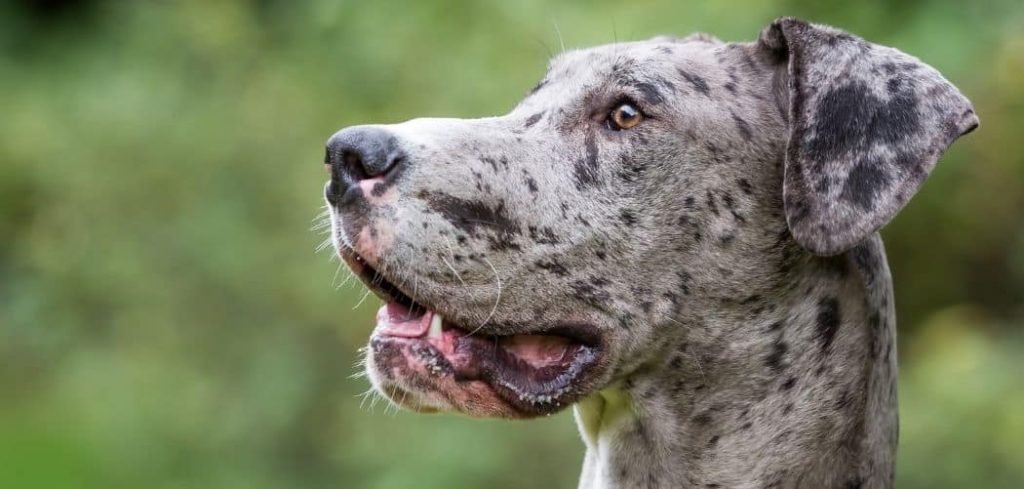
Dog Hacking but Still Eating: Common Causes
Kennel Cough
Kennel cough is a common reason a dog may develop a harsh, hacking cough while remaining interested in food and otherwise acting fairly normal.
The cough may sound dry or honking and can sometimes be followed by gagging or retching.
Dogs commonly develop infectious tracheobronchitis after exposure to other dogs, particularly in settings such as boarding facilities, daycare, kennels, or other areas where dogs are housed or interact closely.
More severe signs such as fever, depression, loss of appetite, nasal discharge, or a productive cough can indicate progression to pneumonia or another complication.
Related: Dog constant hacking cough (Causes and treatment)
Tracheal Irritation
Irritation of the windpipe can cause repeated hacking without necessarily affecting appetite.
Smoke, dust, airborne particles, chemical fumes, or mechanical irritation can inflame the airway. The cough may remain the primary noticeable symptom while the dog continues eating normally.
Tracheal Collapse
Tracheal collapse can cause a dry, harsh, or honking cough. It is particularly common in toy and miniature breeds, although larger dogs can also be affected.
Some dogs with milder disease continue eating and behaving normally between coughing episodes. The cough may become more noticeable with excitement, activity, or other situations that increase airway irritation.
Bronchitis
Inflammation of the trachea and bronchial airways can produce repeated coughing while appetite remains normal.
Acute bronchitis can cause coughing for days or weeks, while chronic bronchitis is associated with a persistent cough lasting at least two months after other causes have been excluded.
Coughing may be especially noticeable after rest, changes in the environment, or at the beginning of exercise.
Related: Dog coughing and hacking suddenly (Here’s why)
Irritants, Smoke, or Chemical Fumes
Dogs can develop respiratory irritation after inhaling smoke, dust, sprays, fumes, or other airborne substances.
A dog may continue eating normally even while the respiratory tract remains irritated. If exposure continues, however, the cough may persist or become more pronounced.
Mild Respiratory Infection
Some respiratory infections initially cause coughing without a major change in appetite or energy.
A dog may continue eating and drinking normally while the upper or lower respiratory tract is inflamed.
Other symptoms, such as nasal discharge, fever, lethargy, or breathing changes, may develop depending on the infection and its severity.
Throat or Laryngeal Problems
Problems affecting the throat or larynx can trigger hacking, coughing, gagging, or repeated swallowing.
A dog may still want to eat, although difficulty swallowing, coughing while eating or drinking, changes in the bark, or noisy breathing can provide additional clues that the upper airway is involved.
Foreign Material in the Airway
A small piece of plant material, food, or another foreign object can irritate the airway and cause sudden hacking.
The dog may initially continue eating normally, but repeated coughing, gagging, pawing at the mouth, difficulty swallowing, or breathing changes are more concerning.
A suspected airway obstruction requires prompt veterinary assessment.
Heart Disease
Heart disease can sometimes be associated with coughing, although coughing alone does not establish that the heart is responsible.
A dog with early or less advanced heart disease may continue eating normally. Other signs, such as reduced exercise tolerance, faster breathing, weakness, or breathing difficulty, can become important clues as the condition progresses.
Heartworm Disease
Heartworm disease can affect the pulmonary arteries and lungs and may cause coughing or reduced exercise tolerance.
Whether it is a realistic possibility depends on the dog’s geographic location, mosquito exposure, preventive care, and previous testing. A normal appetite does not exclude heartworm-associated respiratory disease.
Pneumonia or Deeper Lung Disease
Pneumonia and other lower respiratory diseases can cause coughing, although dogs with more significant disease often develop additional signs.
These may include lethargy, fever, nasal discharge, reduced appetite, rapid breathing, or increased breathing effort.
A dog that is still eating is less suggestive of severe systemic illness, but appetite alone cannot determine the severity of respiratory disease.
Related: Dog Hacking but Is Acting Normal (Should you worry?)
Dog Hacking but Still Eating and Acting Normal
A dog that is hacking but still eating, drinking, playing, and behaving normally may have a relatively mild respiratory problem.
Kennel cough is one example: some affected dogs have a prominent cough while showing few other abnormalities.
However, normal behavior between coughing episodes does not identify the cause. A persistent cough can occur with airway disease even when a dog appears completely normal between episodes.
Dog Hacking but Still Eating at Night
A dog hacking but still eating at night may have airway irritation, kennel cough, allergies, or another respiratory condition that becomes more noticeable when the dog is resting. Lying down can sometimes make mucus or secretions irritate the throat and trigger coughing.
Dry air, dust, smoke, or other nighttime environmental irritants can also contribute.
If the dog is otherwise comfortable, eating normally, and breathing normally, occasional nighttime hacking may not indicate an emergency.
However, persistent nighttime coughing can occur with conditions such as heart disease or chronic respiratory problems, particularly in older dogs.
A veterinarian should assess a cough that is frequent, worsening, or accompanied by breathing difficulty, weakness, or changes in gum color.
Dog Hacking but Still Eating After Exercise
A dog hacking but still eating after exercise may be experiencing airway irritation or increased respiratory effort.
Excitement and exercise increase breathing rate, which can expose an irritated airway to more airflow and trigger coughing.
Other possibilities include kennel cough, allergies, airway narrowing, or irritation caused by pulling against a collar.
Occasional coughing after strenuous activity may be less concerning if it quickly stops and the dog returns to normal.
However, repeated hacking after even mild exercise can warrant veterinary evaluation, especially if the dog tires easily, breathes heavily for an unusually long time, wheezes, or develops weakness or fainting.
Dog Hacking but Still Eating After Drinking or Eating
A dog hacking but still eating after drinking or eating may be experiencing irritation of the throat or difficulty coordinating swallowing.
Drinking too quickly, eating rapidly, inhaling food particles, or having water or food briefly enter the airway can trigger coughing.
A persistent cough after meals can also occur with problems affecting swallowing or the esophagus.
If the hacking happens regularly after eating or drinking, particularly if food or water comes back up, the dog repeatedly gags, loses weight, or develops nasal discharge, veterinary assessment is advisable.
A persistent cough should not automatically be attributed to eating or drinking too quickly.
Dog Hacking but Still Eating and Not Throwing Up
A dog hacking but still eating and not throwing up is more likely experiencing a respiratory or throat problem than a stomach problem. Kennel cough, allergies, inhaled irritants, throat inflammation, and airway disorders can all cause hacking without vomiting.
Dogs may sometimes gag at the end of a coughing episode, which can make it appear as though they are trying to vomit.
A normal appetite is reassuring but does not rule out illness.
Monitor the frequency and duration of the hacking and watch for nasal discharge, fever, lethargy, wheezing, or changes in breathing. Persistent or worsening coughing should be evaluated by a veterinarian.
Dog Hacking but Still Eating With No Other Symptoms
A dog hacking but still eating with no other symptoms may have a mild respiratory irritation, early kennel cough, allergies, or exposure to dust, smoke, fragrances, or other airborne irritants
. Some dogs remain completely normal between coughing episodes and continue eating, drinking, playing, and behaving normally.
If the hacking is occasional and resolves quickly, monitoring may be reasonable.
If it continues for several days, becomes more frequent, interrupts sleep, or starts occurring with exercise, eating, or drinking, a veterinary examination can help identify the cause.
Breathing difficulty, blue or pale gums, collapse, or severe weakness requires urgent veterinary attention.
When to Call or Visit the Vet
Contact your veterinarian if your dog’s hacking is persistent, recurrent, worsening, or unexplained.
Seek immediate veterinary care if your dog develops:
Difficulty breathing or increased breathing effort
Rapid breathing while resting
Blue, gray, or very pale gums
Severe or continuous coughing
Coughing up blood
Weakness, collapse, or marked lethargy
Loss of appetite or difficulty eating
Fever or significant nasal discharge
Repeated gagging or choking
Difficulty swallowing
Coughing repeatedly after eating or drinking
Exercise intolerance
A sudden cough after chewing or eating something unusual
Rapidly worsening symptoms
Suspected foreign material in the airway
Breathing difficulty, abnormal gum color, collapse, or suspected airway obstruction should be treated as an emergency.
Respiratory distress can occur when airflow or normal gas exchange is significantly impaired.
Dog Hacking but Still Eating: Treatment
Treatment depends on the underlying cause of the hacking. The veterinarian will typically take a detailed history and perform a physical examination, including listening to the heart and lungs and assessing the upper airway.
Depending on the findings, chest X-rays, blood tests, heartworm testing, airway evaluation, or other diagnostic testing may be recommended.
Thoracic radiographs can help evaluate lower respiratory disease and rule out conditions such as pneumonia or other causes of coughing.
Treatment is directed at the diagnosis and may include supportive care, treatment of an infection or inflammatory airway condition, management of tracheal disease, or removal of a foreign object.
Cough-suppressing medication is not appropriate for every respiratory condition, particularly when a dog needs to clear airway secretions.
Key Takeaway
A dog hacking but still eating may have a relatively mild respiratory problem, but a normal appetite does not rule out respiratory disease.
Dogs can continue eating normally with conditions affecting the trachea, bronchi, upper airways, or other parts of the respiratory system.
Pay attention to how often the hacking occurs, what it sounds like, whether it happens after exercise or eating, and whether your dog develops changes in breathing, energy, or appetite.
Kennel cough and other airway conditions can cause coughing while a dog otherwise appears well.
If the hacking persists or is accompanied by difficulty breathing, abnormal gum color, weakness, blood, choking, swallowing problems, or rapid worsening, veterinary assessment should not be delayed.


