
A dog with a constant hacking cough can be distressing for any dog owner to witness. The sound may resemble gagging, choking, or even retching, and it often raises fears of something stuck in the throat or a serious illness.
A constant hacking cough in dogs means a dog is coughing repeatedly and frequently throughout the day rather than having occasional coughing episodes. A dog coughs very frequently or almost continuously with little or no break between episodes. The hacking may occur every few minutes, several times an hour, or persist for days without significant improvement.
It often sounds like the dog is trying to clear its throat, cough something up, or remove an obstruction from its airway.
Unlike an occasional cough that may occur after excitement or exercise, constant hacking suggests an ongoing medical problem.
We outline the common causes of a constant hacking cough in dogs, what you can do, and why seeking immediate veterinary care is necessary.
Table of Contents
Dog Constant Hacking Cough: Why It Happens
A constant hacking cough in dogs usually signals irritation or inflammation in the airways or lungs. It can stem from respiratory infections like kennel cough, heart disease, foreign objects lodged in the throat, allergies, or even more serious issues such as collapsing trachea.
In some cases, the cough may be temporary and related to minor irritants, but persistent or worsening coughing often points to an underlying condition that needs veterinary attention.
Signs that a hacking cough is considered constant include:
- Coughing many times throughout the day.
- Coughing that persists for several days or longer.
- Frequent coughing fits that interrupt sleep, eating, or normal activities.
- Repeated coughing followed by gagging or retching.
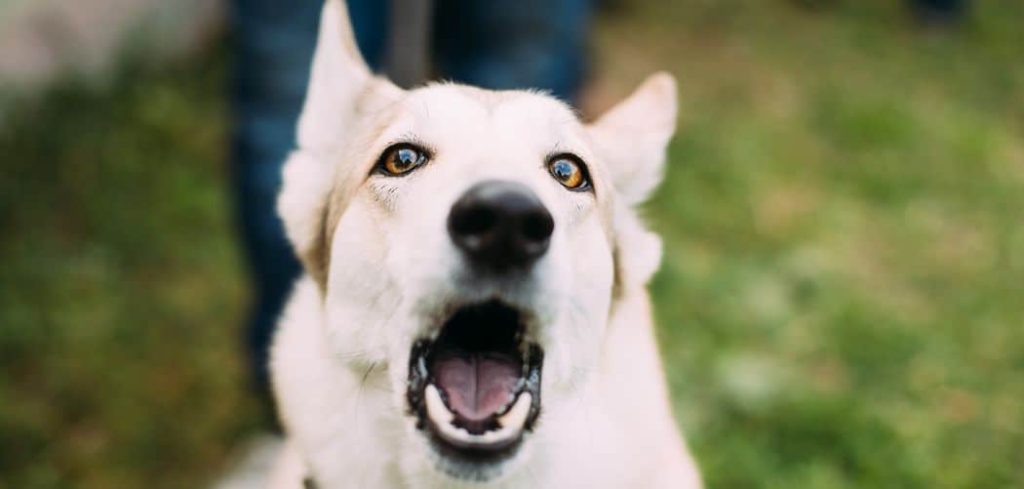
What is a Hacking Cough in Dogs?
A hacking cough is a harsh, dry, repetitive cough that sounds as though a dog is trying to clear something from its throat. It is a “honking,” “gagging,” or “retching” sound. After coughing, the dog may appear to be trying to spit something up, even when nothing comes out.
A hacking cough is not a disease itself—it is a symptom of irritation or inflammation affecting the throat, windpipe (trachea), airways, or lungs.
A hacking cough may occur:
- Occasionally and briefly due to mild throat irritation.
- During excitement, exercise, or leash pulling.
- At night, when the dog is resting.
- Persistently, if an underlying medical condition is present.
Dog Constant Dry Cough
A constant dry cough in dogs often points to irritation or inflammation in the throat, trachea, or airways.
Common causes include kennel cough, allergies, exposure to smoke or dust, collapsing trachea, or mild respiratory infections.
The cough is usually harsh, repetitive, and may sound like honking or hacking rather than wet or mucus-filled.
If the cough continues for several days or becomes more severe, it may indicate a deeper respiratory issue.
Dogs with persistent coughing may also become tired, restless, or uncomfortable, especially during exercise or at night.
Veterinary evaluation is important if the cough does not improve or is accompanied by breathing difficulty, fever, or appetite changes.
Dog Constant Hacking Cough: Common Causes
Kennel Cough
Kennel cough is one of the most frequent causes of a hacking cough in dogs. This contagious respiratory infection is caused by bacteria and viruses, and it spreads easily in places like boarding facilities, dog parks, or grooming salons.
The cough often sounds like a honking or hacking noise, sometimes followed by retching as if the dog is trying to clear their throat. Dogs may otherwise appear healthy, though some develop nasal discharge, sneezing, or mild lethargy.
While kennel cough can clear on its own in mild cases, it can worsen, especially in puppies, senior dogs, or those with weak immune systems. Veterinary treatment may include cough suppressants, antibiotics, or supportive care.
Read more: Dog Constantly Hacking and Coughing (When it’s time to worry)
Collapsing Trachea
A collapsing trachea is a structural problem often seen in small breeds such as Yorkies, Chihuahuas, and Pomeranians. The trachea, or windpipe, loses its rigidity, causing it to collapse during breathing and trigger a harsh, honking cough.
The cough is often worse when the dog is excited, pulling on the leash, or after eating and drinking. In more advanced cases, dogs may struggle with exercise intolerance or difficulty breathing.
This is a chronic condition that requires long-term management. Treatment may include medications to reduce coughing and inflammation, weight control, and, in severe cases, surgical intervention.
Heart Disease
Heart disease, particularly congestive heart failure, can cause fluid to build up around the lungs, leading to a persistent hacking or wet-sounding cough. This type of cough is often worse at night or when the dog is lying down.
You may also notice other signs such as lethargy, decreased stamina, and difficulty breathing. Some dogs develop a swollen belly due to fluid retention.
Because untreated heart disease can rapidly worsen, any dog with a hacking cough combined with signs of fatigue or breathing trouble should be evaluated by a vet right away.
Foreign Object or Throat Irritation
Sometimes a constant hacking cough is triggered by something as simple as a foreign body lodged in the throat. Grass awns, small sticks, or even bits of food can cause ongoing irritation that makes a dog cough repeatedly.
The cough may seem sudden and severe, often accompanied by gagging, drooling, or pawing at the mouth. In some cases, the dog may appear panicked or unable to settle.
Because airway obstructions can quickly become life-threatening, prompt veterinary attention is critical if you suspect something is stuck in your dog’s throat.
Allergies and Environmental Irritants
Just like people, dogs can react to pollen, dust, smoke, or mold with respiratory symptoms. A hacking cough triggered by allergies is often seasonal or linked to a specific environment.
In addition to coughing, dogs may sneeze, have watery eyes, or scratch at itchy skin. The cough tends to be drier and less severe than that caused by infections or heart disease, but it can still affect a dog’s comfort and quality of life.
Reducing exposure to allergens, using air filters, and working with your vet on antihistamine or anti-inflammatory options can help manage symptoms.
Pneumonia
Pneumonia, or infection of the lungs, can cause a hacking cough that sounds moist and productive. Dogs with pneumonia are often visibly unwell, showing fever, lethargy, rapid breathing, and loss of appetite.
This condition is serious and can progress quickly without treatment. Pneumonia often requires hospitalization, intravenous fluids, antibiotics, and oxygen support.
If your dog has a hacking cough along with signs of systemic illness, seek veterinary help immediately.
Dog Continuously Coughing and Hacking
A dog that is continuously coughing and hacking may have a respiratory condition such as kennel cough, chronic bronchitis, pneumonia, tracheal collapse, or heart disease.
The hacking sound is often caused by irritation or inflammation in the throat, windpipe, or airways.
Continuous coughing is not normal and can interfere with breathing, rest, and overall comfort.
If the coughing is severe, worsening, or accompanied by breathing difficulty, lethargy, or loss of appetite, veterinary evaluation should be sought as soon as possible.
Dog Has Occasional Hacking Cough
An occasional hacking cough may result from mild throat irritation, allergies, excitement, pulling on a leash, or temporary exposure to dust and other irritants.
Some dogs may cough briefly and then return to normal without any signs of illness.
However, if the cough becomes more frequent, lasts for several days, or is accompanied by other symptoms, it may indicate an underlying respiratory or cardiac condition that requires investigation.
Dog Has Persistent Hacking Cough
A persistent hacking cough that continues for days or weeks usually indicates an underlying medical condition rather than temporary irritation.
Common causes include chronic bronchitis, heart disease, tracheal collapse, lung disease, or chronic respiratory infections. The cough may worsen during exercise, excitement, or at night.
Because persistent coughing often reflects ongoing airway inflammation or disease, veterinary diagnosis and treatment are needed to prevent progression and improve the dog’s quality of life.
Dog Constant Hacking Cough at Night
When a dog has a hacking cough mainly at night, it may be due to fluid buildup in the lungs, heart disease, or respiratory infection.
Lying down can worsen coughing because it makes breathing harder or increases pressure on the chest. Environmental triggers like cold air, dust, or dry indoor air can also aggravate coughing after dark.
If your dog coughs consistently at night, it’s best to visit the vet to rule out serious issues such as congestive heart failure or chronic bronchitis.
Old Dog Constant Hacking Cough
A constant hacking cough in an older dog can be caused by chronic bronchitis, heart disease, collapsing trachea, or age-related airway weakness.
Senior dogs are more likely to develop long-term respiratory or cardiac conditions that trigger frequent coughing episodes. The cough may worsen at night, after activity, or when lying down.
Because older dogs are more vulnerable to serious illness, persistent hacking should never be ignored.
If the dog also shows fatigue, rapid breathing, reduced stamina, or weight loss, a veterinarian should assess the condition promptly to rule out heart or lung disease.
Old Dog Constant Hacking Cough at Night
In senior dogs, a constant nighttime hacking cough is often linked to heart problems, chronic bronchitis, or tracheal collapse. As dogs age, their heart and lung function weaken, making it harder to breathe comfortably when lying down.
The cough may sound dry and persistent, sometimes worse after activity or during rest.
Because these symptoms can signal underlying heart or respiratory disease, a vet check with chest X-rays and bloodwork is essential for proper diagnosis and management.
My Dog Has a Dry Cough and Then Gags
A dry cough followed by gagging often happens when irritation in the throat triggers the gag reflex. Kennel cough is one of the most common causes, producing a harsh cough that may end with gagging or retching.
Dogs may also gag if mucus, throat irritation, or inflammation makes them feel like something needs to be cleared from the airway.
Sometimes gagging after coughing can resemble vomiting, even though nothing significant comes up.
If episodes become frequent, severe, or are accompanied by lethargy or breathing changes, veterinary evaluation is recommended to identify the cause.
Why is My Dog Coughing Like Something is Stuck in His Throat?
Dogs often cough as if something is stuck in their throat when the airway or throat becomes irritated or inflamed.
Common causes include kennel cough, collapsing trachea, foreign objects, throat infections, or enlarged structures pressing on the airway. The cough may sound harsh, repetitive and may cause the dog to stretch the neck or gag.
In some cases, the sensation is caused by mucus or inflammation rather than an actual object.
However, if the coughing started suddenly after chewing toys, bones, or sticks, a true obstruction is possible and should be treated urgently.
Read more: Dog keeps hacking like something is stuck in the throat
What to Do If Your Dog Has a Constant Hacking Cough
If your dog has a constant hacking cough, first try to keep them calm and comfortable. Excitement or vigorous activity can make the coughing worse, so providing a quiet space can help.
Ensure your dog has access to fresh water, as hydration soothes irritated airways. Using a humidifier in the home can also ease breathing, especially during dry weather.
If you suspect kennel cough and your dog otherwise seems healthy, you may monitor them at home for a few days. However, if symptoms worsen or your dog is a puppy, senior, or has a preexisting health condition, call your vet sooner.
Avoid using collars that put pressure on the throat, especially if your dog has a history of tracheal sensitivity. Switching to a harness can reduce irritation and make breathing easier.
Remember, while supportive care at home can provide comfort, a hacking cough that persists longer than a few days should always be checked by a veterinarian.
When to Call or Visit Your Vet
A constant hacking cough should not be ignored, especially if it comes with other troubling signs. If your dog is coughing frequently, struggling to breathe, or showing signs of distress, call your vet right away.
Seek immediate care if your dog’s cough is accompanied by lethargy, fever, blue gums, wheezing, or sudden collapse. These symptoms may indicate pneumonia, severe airway obstruction, or heart failure.
Even if the cough seems mild, any hacking that lasts for more than a week should be evaluated to rule out underlying conditions. Early intervention not only relieves discomfort but also prevents more serious complications.
Read more: Dog Constantly Hacking (Explained)
Dog Constant Hacking Cough: Treatment
Veterinary treatment depends on the underlying cause of the hacking cough. The veterinarian may perform chest X-rays, throat examination, blood tests, or heart evaluation to determine whether the issue is infectious, respiratory, or cardiac.
Treatment for infections may include antibiotics, cough suppressants, and rest.
If the cough is caused by heart disease, chronic bronchitis, or collapsing trachea, long-term medications may be needed to reduce inflammation and support breathing.
In severe cases with breathing difficulty, oxygen therapy or hospitalization may be necessary. Early diagnosis is important because chronic coughing can worsen and affect overall quality of life.
Key Takeaway
A dog with a constant hacking cough may simply be reacting to mild throat irritation, but it could also signal more serious health conditions such as kennel cough, collapsing trachea, pneumonia, or heart disease.
If your dog’s cough is persistent, worsening, or paired with other symptoms, don’t wait to get professional help.
Your veterinarian can identify the cause and provide the right treatment plan, ensuring your dog’s health and comfort are protected.


