
A dog may develop sudden limping in a front leg after running, which can understandably cause concern, particularly when running is part of its usual routine.
Some dogs will continue trying to run or play despite discomfort, making it easy to underestimate the problem.
Table of Contents
Dog Front Leg Limping After Running: Why It Happens
A dog may limp on a front leg after running because exercise has irritated or strained a paw, muscle, tendon, joint, ligament, or other structure in the limb.
Running can also make an existing orthopedic problem more noticeable, particularly when the activity is longer or more intense than usual.
The timing of the limp can provide useful information. A dog that briefly favors the leg and then returns to a normal gait after resting may have a mild problem, while persistent lameness, swelling, or an inability to bear weight can indicate a more significant injury.
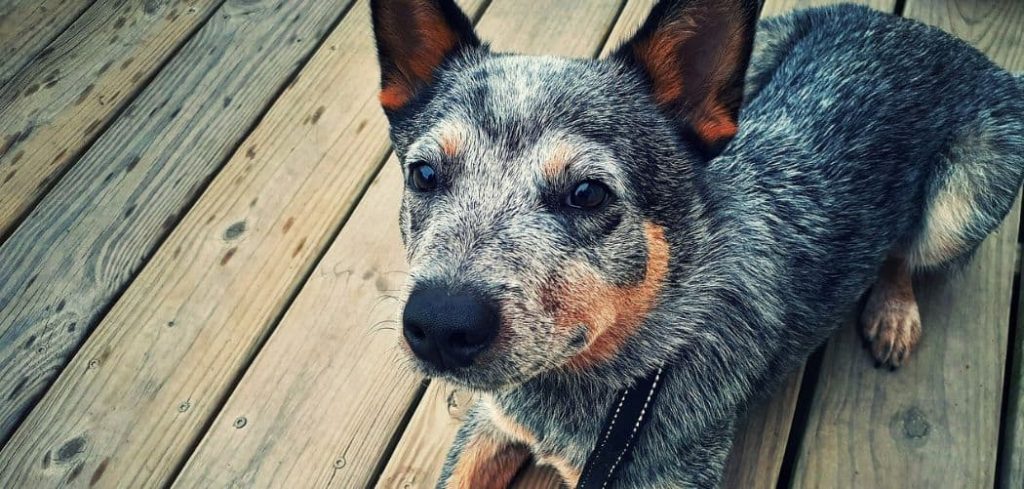
Dog Front Leg Limping After Running: Symptoms
Depending on the underlying problem, other symptoms may occur at the same time, including:
Favoring one front leg
Limping immediately after running
Stiffness after exercise
Shortening the stride
Licking or chewing the paw
Reluctance to continue exercising
Difficulty going up or down stairs
Sensitivity when the leg is touched
Dog Front Leg Limping After Running: Common Causes
Paw Pad Irritation or Injury
The paws absorb a considerable amount of impact during running. Rough surfaces, hot pavement, gravel, sharp objects, or repeated friction can irritate or injure a paw pad.
A dog may limp immediately after running and lick the affected foot. Redness, a small cut, abrasion, or tenderness may be noticed.
Minor irritation may improve with rest, but deeper wounds or persistent pain should be assessed by a veterinarian.
Related: Dog Back Leg Limping After Running (Why it happens)
Torn or Damaged Nail
A nail can crack or partially tear during running, particularly when a dog catches it on an uneven surface. Even a relatively small nail injury can cause noticeable front-leg lameness.
A dog may repeatedly lick the paw, hold the foot up, or react when the nail is touched. Bleeding may also occur.
Do not pull on a damaged nail. If it is badly torn, bleeding, or painful, veterinary treatment may be necessary.
Read more: Dog Limping After Running (Causes and when to worry)
Muscle Strain
Running places repeated demands on the muscles of the front legs and shoulders. Sudden increases in distance, speed, hills, or vigorous play can contribute to muscle soreness or strain.
A dog with a mild strain may walk but limp after running. The discomfort may become less noticeable with rest.
If the limp repeatedly returns whenever exercise resumes, veterinary evaluation is appropriate rather than repeatedly exercising through the problem.
Shoulder or Elbow Joint Problems
The shoulder and elbow joints absorb forces during running and landing. Joint inflammation or other orthopedic problems can cause front-leg lameness that becomes more obvious after exercise.
A dog may appear normal after resting but begin favoring the leg after running. You may also notice stiffness, reduced endurance, or reluctance to jump.
Persistent front-leg lameness requires examination because several different joint conditions can produce similar symptoms.
Tendon or Ligament Injury
Tendons and ligaments support the joints and help control movement. Running, sudden turns, or awkward landings can irritate these structures.
A dog may develop intermittent lameness that appears mainly after exercise. Some dogs continue moving normally while excited and become more obviously lame afterward.
Soft-tissue injuries may take time to recover and can require restricted activity and rehabilitation.
Arthritis
Arthritis can affect the front legs as well as the hips and hind legs. Exercise may temporarily increase discomfort in an affected joint.
Older dogs may become stiff after running, have difficulty getting up, or show reluctance to jump or climb stairs.
If your dog repeatedly limps after activity, especially if the problem is becoming more frequent, discuss the symptoms with your veterinarian.
Bone or Orthopedic Injury
An awkward landing, collision, or sudden change in direction can injure a bone or other structure in the front leg. Not every orthopedic injury produces an obvious external abnormality.
A dog with a more significant injury may suddenly stop using the leg, cry out, develop swelling, or refuse to continue walking.
Do not attempt to straighten or manipulate a painful or abnormal limb. Veterinary assessment is needed to determine the extent of the injury.
Neck or Nerve-Related Problems
Not every front-leg limp originates in the leg itself. Problems involving the neck or nerves can cause weakness, altered gait, or difficulty placing the paw normally.
A dog with a neurological problem may drag the toes, knuckle over, or appear uncoordinated rather than simply showing pain in one limb.
Sudden weakness, severe coordination problems, or inability to walk requires prompt veterinary attention.
Related: Senior dog limping after running (Causes and what to do)
Dog Front Leg Limping After Running: What to Do
Stop running and switch to calm, controlled activity while you monitor your dog’s front leg. Even if your dog wants to continue playing, running on a painful limb can aggravate some injuries.
Avoid jumping, rough play, chasing, and repeated stair use. Provide a comfortable resting area with good traction to reduce slipping.
If your dog allows it, gently inspect the paw pads, nails, and spaces between the toes. Look for cuts, swelling, bleeding, damaged nails, or foreign material.
Do not repeatedly bend, stretch, massage, or manipulate the leg if your dog appears uncomfortable. This can cause additional pain and may worsen some injuries.
Pay attention to when the limp begins and how long it lasts. Note whether it disappears completely after rest or returns whenever your dog starts running again.
A short video of your dog’s gait can be useful for your veterinarian, particularly when the limp is intermittent and difficult to reproduce during an appointment.
Do not give human painkillers or anti-inflammatory medications unless your veterinarian specifically recommends them. Some medications intended for people can be dangerous for dogs.
When to Call or Visit the Vet
A brief limp after unusually strenuous exercise may improve with rest, but recurring front-leg lameness should not be ignored. Your dog’s willingness to keep running does not necessarily mean the leg is healthy.
Schedule an appointment if you notice:
Limping after repeated running sessions
Stiffness after exercise
Recurring front-leg lameness
Swelling around a joint
Repeated licking of one paw or leg
Reluctance to jump or climb stairs
Reduced exercise tolerance
Limping that continues after rest
Seek emergency veterinary attention immediately if your dog develops:
Inability to stand or walk
Inability to bear weight on the leg
Severe or sudden pain
A visibly deformed limb
Significant swelling
Uncontrolled bleeding
Sudden severe weakness
Collapse
Difficulty breathing
Major trauma
Dog Front Leg Limping After Running: Treatment
Veterinary treatment for a dog that is limping on a front leg after running starts with a thorough examination of the paws, joints, muscles, bones, tendons, ligaments, and nervous system.
The veterinarian may recommend X-rays or other diagnostic imaging to identify problems that are not visible externally, while additional diagnostic testing may be performed when appropriate.
Treatment may include prescription pain relief, anti-inflammatory medication, restricted activity, physical rehabilitation, or other targeted therapy based on the diagnosis.
Key Takeaway
A dog front leg limping after running may have paw irritation, a damaged nail, muscle strain, joint disease, arthritis, tendon or ligament injury, or another orthopedic problem.
Exercise can make an existing condition more noticeable even when your dog appears normal beforehand.
Stop strenuous activity, inspect the paw if your dog is comfortable with handling, and allow the leg to rest. Avoid human pain medications unless specifically recommended by your veterinarian.
If the limp repeatedly returns after running, becomes worse, or continues after rest, arrange a veterinary examination.
Early evaluation can help identify the cause and determine when it is safe for your dog to return to normal activity.