
A senior dog that begins limping after running can be concerning, particularly if it remains eager to continue moving despite the limp.
Older dogs may continue running or playing even when a joint, muscle, paw, or ligament is uncomfortable.
Occasional stiffness after unusual activity may improve with rest, but recurring lameness in an older dog should not simply be dismissed as part of aging.
Table of Contents
Senior Dog Limping After Running: Why It Happens
A dog may limp after running when exercise places extra stress on an already painful or weakened joint, muscle, tendon, ligament, or paw.
In a senior dog, arthritis is an important possibility, but a new limp can also result from a soft-tissue injury, paw problem, cruciate ligament disease, or another orthopedic condition.
The fact that the limp appears after running can be an important clue. A dog may look comfortable while resting and seem excited during exercise, then become stiff or lame afterward as the effects of activity become more apparent.
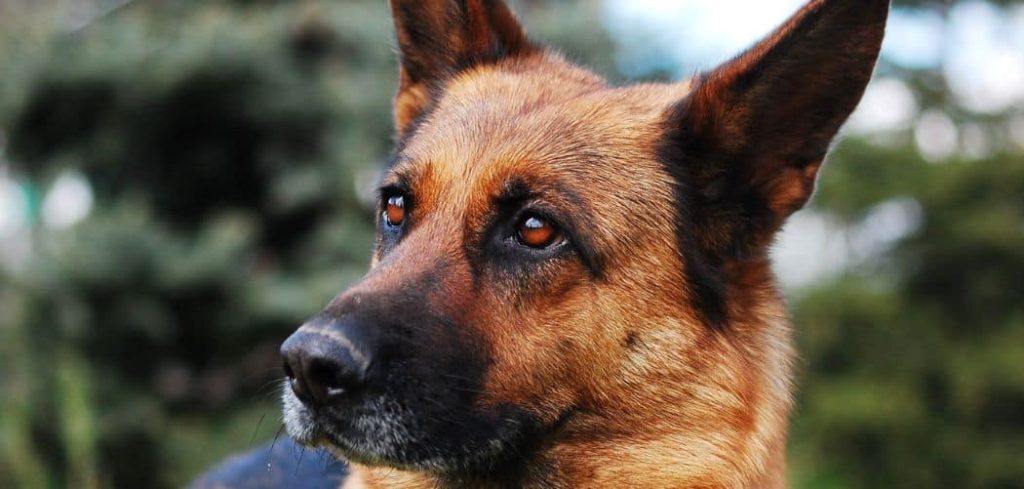
Senior Dog Limping After Running: Symptoms
Depending on the underlying problem, other symptoms may occur at the same time, including:
Limping after exercise
Stiffness when getting up
Favoring one leg
Shorter or slower steps
Reluctance to climb stairs
Difficulty jumping
Licking a paw or leg
Limping that improves after resting
Senior Dog Limping After Running: Common Causes
Arthritis
Arthritis is a common cause of stiffness and exercise-related lameness in senior dogs. Degenerative changes within a joint can make movement increasingly uncomfortable, particularly after sustained activity.
A dog may appear fine at the beginning of a walk or run but become stiff or lame afterward.
Other signs can include difficulty getting up, reluctance to climb stairs, and reduced willingness to jump.
Arthritis is a chronic condition that can often be managed, but a sudden increase in lameness should still be investigated because another problem may be present.
Related: Dog Back Leg Limping After Running (Why it happens)
Muscle Strain or Overexertion
Senior dogs may have less tolerance for intense or prolonged exercise than they did when younger.
Running for longer than usual or suddenly increasing activity can cause muscle soreness or a soft-tissue strain.
A dog with mild soreness may walk normally after resting but develop a limp following exercise.
If the limp repeatedly occurs after running, reducing activity and arranging a veterinary assessment is preferable to repeatedly exercising through the discomfort.
Paw Pad or Nail Problems
A damaged nail, irritated paw pad, small cut, or foreign object can cause lameness after running. Exercise may increase pressure on an already irritated area.
Your dog may lick the paw, chew between the toes, or hold the foot up after exercise.
Gently inspect the paws and nails if your dog allows it. If there is significant pain, swelling, bleeding, or a deeply embedded object, veterinary care is appropriate.
Read more: Dog Limping After Running (Causes and when to worry)
Cruciate Ligament Disease
The cranial cruciate ligament helps stabilize the knee, and problems with this ligament are a common cause of hind-leg lameness in dogs.
In older dogs, ligament degeneration can develop gradually. A senior dog may initially show an intermittent limp that becomes more obvious after running or other strenuous activity.
Difficulty rising, sitting differently, or repeatedly favoring the same back leg can also occur.
A veterinarian can perform an orthopedic examination and determine whether the knee requires further investigation.
Hip or Other Joint Disease
Hip disease and other degenerative joint problems can cause exercise-related lameness. The affected dog may appear comfortable during periods of rest but develop stiffness or difficulty moving after activity.
You may notice a changed gait, reluctance to jump, difficulty getting into the car, or slower movement on stairs.
Because several orthopedic problems can produce similar signs, the location of the limp alone does not identify which joint is responsible.
Tendon or Ligament Injury
Tendons and other supporting tissues can become injured or irritated through repeated activity. Senior dogs may be more vulnerable to these problems because of age-related changes in muscles and connective tissues.
The limp may be intermittent and become more noticeable after running.
Persistent soft-tissue injuries can take time to recover and may require activity restriction and rehabilitation rather than simply allowing the dog to exercise normally.
Spinal or Neurological Problems
Not every abnormal hind-leg movement comes from a painful leg. Problems affecting the spine or nerves can cause weakness, an unusual gait, difficulty coordinating the back legs, or dragging of the toes.
A neurological problem may look like limping to an owner, particularly when only one side appears affected.
Sudden weakness, difficulty standing, dragging the legs, or loss of bladder or bowel control requires prompt veterinary assessment.
Bone or Other Orthopedic Disease
Older dogs can develop other conditions affecting the bones and joints that cause persistent or exercise-related lameness. Some problems may initially be subtle and become more noticeable over time.
A limp that is progressively worsening, occurs after less activity than before, or does not fully resolve with rest deserves veterinary attention.
Diagnostic imaging may be necessary to identify changes that cannot be detected from the outside.
Related: Dog Limping After Running Downstairs (Here’s why)
Senior Dog Limping After Running: What to Do
If your senior dog begins limping after running, stop strenuous exercise rather than allowing the dog to continue. Switch to short, controlled leash walks for necessary movement until the cause is clearer.
Avoid running, jumping, rough play, and repeated stair climbing. Give your dog a comfortable resting area with good traction so getting up and moving around the home is easier.
Gently inspect the paws and nails for obvious cuts, swelling, foreign material, or damage if your dog is comfortable with this. Do not repeatedly bend or manipulate the painful leg.
Keep track of when the limp starts, which leg appears affected, how long it lasts, and whether it disappears completely after resting. A short video of your dog walking can be useful for your veterinarian.
Do not give human painkillers or anti-inflammatory medications unless your veterinarian specifically instructs you to do so. Some human medications can be harmful to dogs.
If the limp keeps returning after running, reduce your dog’s exercise intensity and arrange a veterinary examination. Your senior dog may need a different long-term exercise routine.
When to Call or Visit the Vet
A mild limp after unusually strenuous exercise may improve with rest, but repeated post-exercise lameness in a senior dog should not be ignored.
Older dogs can have underlying joint or orthopedic problems that become more obvious with activity.
Schedule an appointment if you notice:
Limping after most exercise
Recurrent stiffness
Difficulty getting up
Reluctance to climb stairs
Reduced willingness to jump
Repeated licking of one leg or paw
Swelling around a joint
A limp that is becoming more frequent
Lameness that continues after rest
Seek emergency veterinary attention immediately if your dog develops:
Inability to stand or walk
Inability to bear weight on a leg
Severe or sudden pain
A visibly deformed limb
Significant swelling
Uncontrolled bleeding
Sudden paralysis or severe weakness
Collapse
Difficulty breathing
Major trauma
Senior Dog Limping After Running: Treatment
Veterinary treatment for a senior dog that is limping after running starts with a thorough examination of the paws, joints, muscles, bones, tendons, ligaments, and nervous system.
The veterinarian may recommend X-rays or other diagnostic imaging to identify arthritis, joint disease, ligament injuries, or other problems that are not visible externally, while blood tests may be performed when appropriate.
Treatment may include prescription pain relief, anti-inflammatory medication, restricted activity, physical rehabilitation, weight management when appropriate, or other targeted therapy based on the diagnosis.
Key Takeaway
A senior dog limping after running may be experiencing arthritis, muscle soreness, paw irritation, cruciate ligament disease, another joint problem, or a soft-tissue injury.
Because older dogs are more susceptible to chronic orthopedic conditions, recurring lameness should not simply be considered normal aging.
Stop strenuous activity when the limp appears, provide a comfortable resting area, and monitor how your dog moves after rest. Avoid human pain medications unless specifically recommended by your veterinarian.
If your senior dog’s limp repeatedly returns after running, becomes more severe, or continues after rest, arrange a veterinary examination.
Early evaluation can help identify the cause and establish a safer exercise and treatment plan for your older dog.