
Dogs may occasionally eat grass or lick around their rear end, but noticing both behaviors together can raise questions about your dog’s digestive comfort or irritation around the anal area.
Occasional behavior may be harmless, while repeated grass eating or persistent licking deserves closer observation, especially if your dog seems uncomfortable.
It helps to monitor changes in stool, scooting, redness, swelling, unusual odor, vomiting, diarrhea, appetite, or the frequency of licking. It can also help to note whether the behavior occurs after eating, during walks, or when your dog is trying to settle.
We explain what it may mean when a dog eats grass and licks its bum, what to monitor, and when veterinary care may be necessary.
Table of Contents
Could Eating Grass Cause Your Dog to Lick Their Bum?
Eating grass does not usually directly cause a dog to lick their bum, but the two behaviors can occur together when a dog has digestive or anal irritation. Eating grass may sometimes accompany an upset stomach, changes in bowel movements, or softer stool.
Loose or sticky stool can leave residue around the anus and cause a dog to lick the area afterward.
Bum licking can also have more direct causes, including anal gland problems, parasites, allergies, skin irritation, or fecal material caught in the fur.
If the licking continues after the grass eating stops, or there is scooting, redness, swelling, an unusual odor, discharge, diarrhea, or difficulty passing stool, a veterinary examination can help identify the cause.
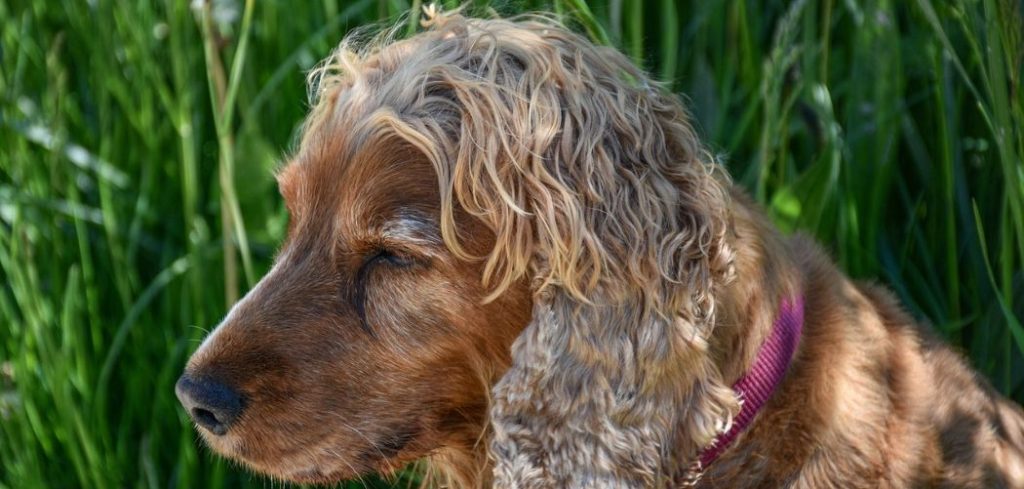
Dog Eating Grass and Licking Bum: Common Causes
Anal Gland Problems
One of the most common reasons a dog may repeatedly lick their bum is anal gland discomfort.
Dogs have anal sacs on either side of the anus that normally release their contents during bowel movements. If the sacs do not empty properly, they can become impacted or inflamed.
Dogs with anal gland problems may:
Lick or chew around the anus
Scoot their bottom
Seem uncomfortable when sitting
Turn around suddenly toward their rear end
Have a strong fishy odor
Develop redness or swelling around the anus
Soft stools can sometimes contribute to inadequate natural emptying of the anal sacs, so a dog with recurring diarrhea or loose stool may also develop anal gland problems.
If the area appears swollen, painful, or produces discharge, veterinary examination is important.
Related: Dog suddenly eating grass like crazy and vomiting (Here’s why)
Intestinal Parasites
Parasites are another possible reason for increased licking around the anus.
Certain intestinal parasites can cause gastrointestinal symptoms and irritation around the rear end.
Some dogs may have few obvious signs, while others develop diarrhea, changes in appetite, weight loss, vomiting, or visible evidence of parasites.
Grass eating does not prove that your dog has worms, but dogs can encounter parasites in contaminated environments.
If your dog has persistent bum licking along with abnormal stool, weight changes, digestive problems, or possible exposure to parasites, your veterinarian may recommend fecal testing.
Related: Dog eating grass excessively (Should you worry?)
Skin Allergies and Irritation
Allergies can cause itching around the tail and anal area. Dogs with allergies may also lick their paws, scratch their skin, chew their legs, or develop recurring ear problems.
Environmental allergens and food-related reactions can contribute to itchy skin in susceptible dogs.
If your dog is licking their bum as part of a larger pattern of itching, the underlying problem may involve the skin rather than the digestive tract or anal glands.
Stool Stuck Around the Bum
Sometimes the explanation is much simpler.
Soft stool or diarrhea can leave residue around the anus, which may irritate the skin. Dogs may lick the area to clean themselves.
Long-haired dogs can be particularly prone to fecal material becoming trapped in the hair around the rear end.
If licking occurs briefly after a bowel movement and then stops, irritation from residue may be responsible.
Persistent licking, however, suggests that something more than simple cleaning may be occurring.
Related: Dog eating grass and not eating (Why it happens)
Gastrointestinal Upset
Digestive problems can potentially connect the two behaviors. A dog experiencing gastrointestinal upset may eat grass, have softer stools, or develop diarrhea.
Frequent or loose bowel movements can then irritate the skin around the anus and cause increased licking.
Nausea can also cause grass eating in some dogs, although eating grass itself is not a reliable way to determine whether a dog is nauseated.
Possible causes of gastrointestinal upset include dietary changes, eating something unusual, parasites, food intolerance, infections, and other digestive disorders.
If grass eating and bum licking occur alongside vomiting, diarrhea, appetite loss, or abdominal discomfort, the digestive symptoms deserve veterinary attention.
Fleas and Other External Parasites
Fleas can cause intense itching around the base of the tail and rear end. A dog may lick, chew, scratch, or bite at the area repeatedly.
Even if you do not see fleas, they can still be present. Some dogs are particularly sensitive to flea bites and may develop substantial itching from relatively few bites.
Other external parasites can also cause skin irritation, so persistent licking should not automatically be attributed to anal glands.
When to Worry
Occasional grass eating and brief cleaning around the rear end can be normal. Repeated licking, however, suggests that your dog may be experiencing persistent irritation or discomfort.
Particular attention is warranted if the area is visibly red or swollen, your dog is scooting frequently, or there is a strong odor or discharge.
Related: Dog eating grass and licking carpet (What it means)
When to Call or Visit the Vet
Contact your veterinarian if your dog repeatedly eats grass and licks their bum, especially if the behavior continues or is accompanied by other symptoms.
Seek immediate veterinary care if your dog:
Has significant swelling or pain around the anus
Has bloody or persistent diarrhea
Has difficulty passing stool
Has repeated vomiting
Refuses food or water
Appears weak or unusually lethargic
Has a painful or swollen abdomen
Has blood in the stool
Has discharge, an open sore, or marked irritation around the anus
Is persistently scooting or licking despite attempts to stop
Has visible worms or other concerning material in the stool
Develops sudden or severe symptoms
Dog Eating Grass and Licking Bum: Treatment
Treatment can include appropriate anal gland care, parasite treatment, management of allergies or skin disease, dietary management, or medication for an underlying gastrointestinal condition.
Key Takeaway
A dog eating grass and licking their bum can have several explanations, and the two behaviors are not necessarily directly connected.
Occasional grass eating may be normal, but frequent bum licking can indicate anal gland discomfort, parasites, allergies, skin irritation, or digestive problems.
Scooting, redness, swelling, unusual odor, abnormal stool, vomiting, appetite changes, or pain make veterinary evaluation more important.
If the behavior is persistent or keeps returning, identifying the underlying cause is more useful than simply trying to stop your dog from licking.


