
When a dog starts dry heaving but shows no other symptoms, it can leave owners feeling worried and unsure.
The gagging sound, the retching motion, and the failure to bring anything up can be alarming. Even if your dog seems fine otherwise, this sign should never be ignored.
We outline the possible causes of a dog’s dry heaving with no other symptoms, what you can do, and when to seek veterinary care.
Table of Contents
Dog Dry Heaving With No Other Symptoms: Why It Happens
Dry heaving in dogs is often linked to irritation in the throat, mild airway blockage, digestive upset, or early signs of something more serious like bloat.
Sometimes, it may be due to a simple cause such as eating too quickly or inhaling dust. Other times, it may be related to kennel cough, throat inflammation, or parasites.
Because dry heaving can be an early warning of conditions that escalate quickly, it’s important to pay attention even if no other symptoms are present.
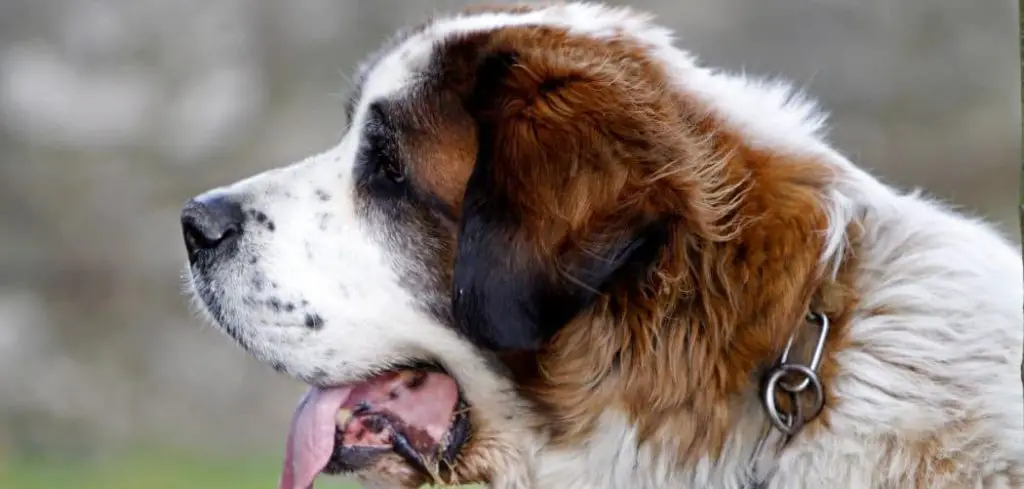
Dog Randomly Dry Heaving
Random dry heaving in dogs is often caused by throat irritation, nausea, or an attempt to vomit when the stomach is empty.
Common triggers include kennel cough, eating too fast, swallowing something irritating, acid reflux, or mild respiratory infections.
In some cases, it can also be an early sign of more serious issues like gastrointestinal blockage or bloat, especially if it becomes frequent.
Occasional dry heaving may not be serious, but repeated episodes should always be monitored closely.
My Dog Keeps Dry Heaving but Acting Normal
A dog that keeps dry heaving but otherwise seems normal may be experiencing mild throat irritation, empty-stomach nausea, or minor respiratory inflammation.
Dogs can also dry heave after exercise, excitement, or coughing fits where no mucus or vomit is produced.
If the dog is still eating, drinking, and behaving normally, the issue may be mild or early-stage.
However, persistent dry heaving is not normal and can still indicate conditions like kennel cough, gastritis, or early digestive obstruction, so it should be checked if it continues.
Read more: Dog is dry heaving but acting normal (Here’s why)
Dog Dry Heaving With No Other Symptoms: Possible Causes
Eating or Drinking Too Quickly
When dogs eat or drink rapidly, they can swallow excess air along with their food. This swallowed air irritates the stomach and esophagus, triggering retching or dry heaving.
You might notice this happen shortly after meals, especially in larger breeds prone to gulping.
While not always dangerous on its own, repeated episodes can put stress on your dog’s system and raise concerns about bloat risk in deep-chested dogs.
Read more: Dog Sneezing No Other Symptoms (What it might mean)
Throat Irritation or Foreign Body
Sometimes, a small object like grass, hair, or dust can get lodged in the throat and cause your dog to dry heave. This type of irritation often makes them gag repeatedly without producing vomit.
Dogs may paw at their mouth, lick excessively, or appear restless. While minor cases may resolve naturally, a lodged object can obstruct breathing if it moves deeper, so it should be monitored closely.
Respiratory Infection
Dry heaving can also be an early symptom of kennel cough, an upper respiratory infection common in social dogs.
The hacking cough can resemble gagging or retching, especially when no mucus is produced.
Even if your dog seems otherwise normal, kennel cough can spread quickly to other pets and worsen without treatment.
Infections can also irritate the trachea, making dogs dry heave when pressure builds in the airway.
Gastric Dilatation-Volvulus (Bloat)
One of the most concerning causes of dry heaving with no other symptoms is bloat. In the early stages, a dog may attempt to vomit or retch without success, producing only dry heaves.
This occurs because the stomach fills with air and twists, blocking the exit routes.
Dogs may still appear normal at first, but the condition escalates rapidly, becoming life-threatening within hours. Large, deep-chested breeds like Great Danes, German Shepherds, and Weimaraners are at especially high risk.
Tonsillitis or Throat Inflammation
Just like people, dogs can develop inflamed tonsils or throat tissues from infections, allergies, or chronic irritation.
This inflammation can cause gagging motions that mimic dry heaving. Dogs may show subtle signs like swallowing repeatedly, licking their lips, or avoiding dry kibble.
While not always serious, untreated throat irritation can progress into more painful infections.
Intestinal Parasites
Certain parasites, especially roundworms, can trigger gagging or dry heaving when larvae migrate through the body or when worms irritate the digestive tract.
A dog might show no other symptoms initially, making it tricky to detect.
Regular parasite prevention is important, since untreated infestations can eventually cause weight loss, diarrhea, and nutritional deficiencies.
Dog Is Dry Heaving But Acting Normal at Night
Dry heaving at night can be linked to acid reflux, post-nasal drip, or airway irritation that worsens when the dog is lying down.
Some dogs also experience nighttime coughing fits that trigger gagging or dry heaves. If the stomach is empty for long periods, bile irritation can also contribute to nighttime episodes.
If this happens repeatedly at night, a veterinary evaluation is recommended to rule out chronic respiratory or gastrointestinal conditions.
Senior Dog Is Dry Heaving But Acting Normal
In senior dogs, dry heaving may be related to age-related conditions such as acid reflux, heart disease, respiratory disease, or reduced muscle control in the throat.
Older dogs are also more prone to chronic coughing conditions that can trigger gagging without other immediate symptoms.
Even if the dog seems normal otherwise, persistent dry heaving in senior dogs should not be ignored, as early treatment can improve comfort and prevent progression of underlying disease.
Senior Dog Dry Heaving with No Other Symptoms
Dry heaving without other symptoms in a senior dog can still indicate early-stage illness.
Common causes include mild heart disease, chronic bronchitis, dental disease, or gastrointestinal irritation.
Some older dogs also develop increased sensitivity in the throat or esophagus, making them more prone to gagging episodes.
Because senior dogs often mask illness, even “isolated” dry heaving should be evaluated if it happens repeatedly or increases in frequency.
What to Do If Your Dog Is Dry Heaving With No Other Symptoms
If your dog is otherwise acting normal, observe them closely for any changes. Offer small amounts of water, but avoid large meals until the episode passes.
Slowing down meal times with puzzle feeders can prevent air swallowing if overeating is the trigger. Keeping the environment calm and free of irritants like smoke or dust also helps.
If dry heaving occurs repeatedly, keep a log of when it happens, what your dog ate, and any subtle behaviors you notice. Even if no other symptoms appear, sharing this information with your vet can provide valuable clues.
When to Call or Visit Your Vet
If your dog dry heaves more than once in a short period, veterinary attention is strongly recommended. Even without other symptoms, it can signal something more dangerous.
Seek immediate care if you notice:
A swollen or tight abdomen (possible bloat)
Unsuccessful attempts to vomit repeatedly
Restlessness or pacing
Difficulty breathing or excessive drooling
Sudden collapse or weakness
For milder cases, schedule a vet visit if the dry heaving continues beyond 24 hours or becomes a frequent pattern. Your vet can check for throat obstructions, infections, or underlying conditions that require treatment.
Read more: Dog Coughing No Other Symptoms (When it’s harmless and when it’s not)
Dog Dry Heaving with No Other Symptoms: Treatment
Treatment depends on the underlying cause. Mild cases may improve with feeding smaller meals, avoiding long gaps without food, and reducing irritants like dust or smoke.
If acid reflux is suspected, dietary adjustments and medication prescribed by a vet may help.
Respiratory causes like kennel cough may require rest, cough suppressants, or antibiotics if bacterial infection is present.
If dry heaving persists, becomes frequent, or starts to worsen, veterinary diagnosis is important to rule out serious conditions such as gastrointestinal obstruction, heart disease, or chronic airway disorders.
Key Takeaway
Dry heaving in dogs with no other symptoms may seem minor at first, but it should not be dismissed. While some cases result from simple causes like eating too quickly or mild throat irritation, others can be early warning signs of bloat, infections, or parasites.
The safest approach is to observe closely, support your dog at home with calm care, and contact your veterinarian if the episodes repeat or worsen.
Acting early ensures your dog gets the right treatment and gives you peace of mind.


