
If your dog is suddenly drooling and foaming at the mouth, it can be a distressing sight. These symptoms may signal anything from harmless excitement to a life-threatening emergency.
We outline the common reasons for a dog drooling and foaming at the mouth, what you can do at home, and when to seek veterinary care.
Table of Contents
Dog Drooling and Foaming at Mouth: Why It Happens
Drooling and foaming at the mouth in dogs can stem from various causes, some mild and others potentially serious. Anxiety, nausea, dental disease, ingestion of something toxic, and even seizures can trigger these symptoms.
Dogs may foam due to excessive salivation mixing with air or after chewing on bitter-tasting substances.
In more serious cases, conditions like rabies or poisoning must be ruled out immediately.
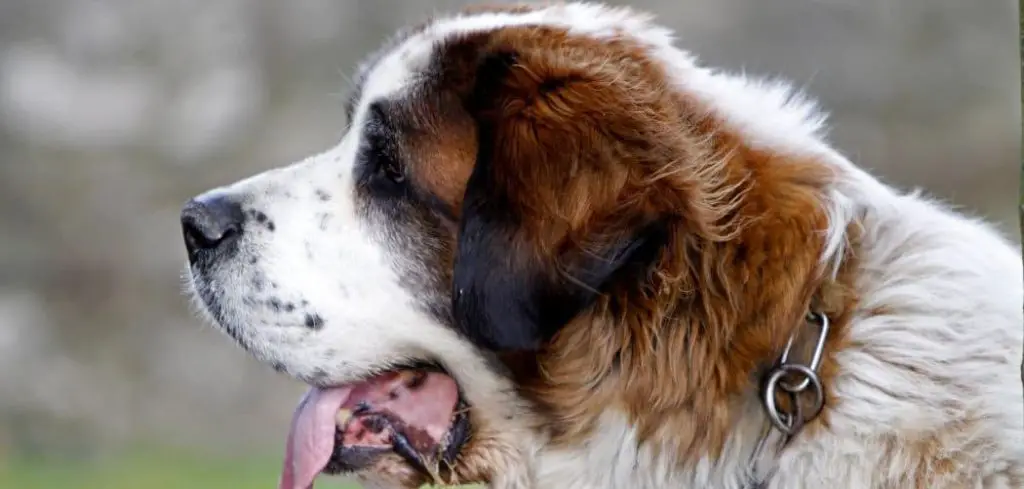
Dog Foaming at Mouth but Acting Normal
A dog foaming at the mouth while otherwise acting normal is often caused by excessive drooling mixed with air or saliva buildup.
Common triggers include nausea, eating something bitter or irritating, anxiety, mild oral irritation, or motion sickness.
Sometimes, dogs foam after intense exercise or excitement when saliva production increases.
Even if the dog seems fine, repeated foaming is not normal and may indicate underlying issues such as dental disease, toxin exposure, or gastrointestinal upset that should be checked if it continues.
Dog Drooling and Foaming at Mouth: Common Causes
Nausea or Gastrointestinal Upset
Nausea is a frequent trigger of drooling and occasional foaming in dogs.
When dogs feel queasy, their salivary glands become overactive, leading to visible drool or foam. This is often seen with motion sickness, dietary indiscretion, or gastrointestinal infections.
You may also notice lip licking, pacing, grass eating, or vomiting. While nausea itself isn’t life-threatening, it can signal an underlying illness that needs attention.
Read more: Dog Excessively Drooling Suddenly (What it could mean)
Dental Disease or Oral Pain
Dental infections, gum disease, or mouth injuries can all lead to drooling and sometimes foaming.
When a dog has a painful tooth or inflamed gums, chewing or even opening their mouth can stimulate excessive salivation.
If the dog also paws at the mouth or avoids eating hard food, this could be the culprit.
Infected teeth and oral wounds are uncomfortable and can worsen quickly, so they shouldn’t be ignored.
Exposure to Toxins or Bitter Substances
Dogs that lick or chew on something toxic or foul-tasting often react by drooling and foaming.
Common culprits include insecticides, plants like oleander, medications, or toads. The foaming may begin within minutes, accompanied by pawing at the mouth, vomiting, or staggering.
Toxic ingestion can escalate into a life-threatening emergency, especially if neurological symptoms appear. Immediate veterinary care is essential.
Anxiety or Panic Episodes
Stress and panic can sometimes cause a dog to drool heavily and foam slightly.
Dogs experiencing fear—such as during storms or fireworks—may hyperventilate and salivate due to adrenaline and muscle tension. While this may look dramatic, the foaming is usually due to frothy saliva and not a true medical emergency.
However, chronic anxiety can be harmful and may require behavioral support or medical treatment.
Seizures or Neurological Events
Dogs can foam at the mouth during or after a seizure. The convulsions cause heavy salivation, and if the dog cannot swallow properly, it may drip or foam.
You might also notice confusion, disorientation, or twitching limbs.
Even if the seizure lasts only a minute, the aftereffects may include ongoing drooling and weakness. Veterinary evaluation is critical to rule out epilepsy or brain injury.
Rabies (Extremely Rare)
Though extremely rare in vaccinated pets, rabies can cause foaming and neurological symptoms.
The disease affects the nervous system and is transmitted through bites. Infected animals often show aggression, drooling, uncoordinated movements, and eventually collapse.
Any unvaccinated dog with sudden behavior changes and excessive drooling must be taken seriously. This is a medical emergency, and rabies is fatal once symptoms appear.
Old Dog Drooling and Foaming at Mouth
In older dogs, drooling and foaming at the mouth can be linked to dental disease, oral tumors, nausea from kidney or liver disease, neurological problems, or difficulty swallowing.
Senior dogs are more prone to chronic health issues that affect saliva control and oral comfort.
If this happens repeatedly or is accompanied by bad breath, weight loss, or appetite changes, a veterinary exam is important to identify the cause early.
Read more: Old dog drooling and foaming at mouth (Causes and when to worry)
Dog Foaming at Mouth Before Death
Foaming at the mouth can sometimes occur in a dog that is critically ill or near death, especially during seizures, severe poisoning, or organ failure.
However, it is not a specific or reliable sign of dying on its own. It usually reflects severe distress, inability to swallow properly, or neurological dysfunction.
It must always be interpreted alongside other signs such as collapse, unresponsiveness, difficulty breathing, or extreme weakness.
Related: Old dog behavior before death (What to expect)
Dog Drooling and Foaming at Mouth: What to Do
Start by observing your dog’s behavior carefully. If they seem otherwise normal—still eating, walking, and alert—the cause might be mild, such as anxiety or a bitter-tasting item. Rinse their mouth gently with water if safe to do so.
Check their surroundings for signs of something toxic or unusual they may have ingested—plants, chemicals, wrappers.
If dental issues seem likely, avoid touching the mouth and schedule a vet appointment. Offer soft food and keep them calm and cool.
In any case, keep your dog in a quiet space and limit activity. Stay with them and monitor for escalating symptoms like vomiting, seizures, or collapse.
When to Call or Visit Your Vet
You should contact your vet right away if your dog:
Is vomiting repeated or has diarrhea
Seems disoriented, stumbles, or collapses
Has a known toxin exposure (like insecticide or poisonous plants)
Shows signs of pain or swelling in the mouth
Experiences a seizure or loses consciousness
Has not stopped drooling or foaming after 30–60 minutes
Excessive drooling and foaming can turn serious quickly, especially if linked to poisoning or neurological disease. It’s always safer to err on the side of caution.
Read more: Dog Drooling and Licking Excessively at Night (Common causes)
Dog Drooling and Foaming at Mouth: Treatment
Treatment depends on the underlying cause. The veterinarian may treat dental disease, nausea, infections, neurological disorders, or toxin exposure, depending on diagnosis.
Treatments may include anti-nausea medication, dental cleaning, fluids, anticonvulsants, or antidotes in cases of poisoning.
Because foaming at the mouth can be linked to serious conditions, prompt veterinary evaluation is important to ensure correct and timely treatment.
Key Takeaway
Dog drooling and foaming at the mouth can range from harmless to life-threatening.
While occasional foaming might result from stress, dental pain, or nausea, persistent or severe symptoms require a veterinarian’s attention. If you suspect your dog has been poisoned, is having a seizure, or is behaving oddly, seek help immediately.
Stay calm, observe closely, and prioritize your pet’s comfort and safety until you know what’s going on.


