
Dog diarrhea and vomiting after grooming can be unsettling, especially when your dog was eating, drinking, and behaving normally before the appointment.
You may notice loose stool, repeated bowel movements, vomiting, nausea, or a combination of digestive symptoms after your dog returns from the groomer.
The timing can make grooming seem like the obvious explanation, but several things may happen around a grooming appointment that can affect a dog’s digestive system.
The severity of the symptoms, how soon they started, and whether your dog has other changes such as weakness, abdominal pain, poor appetite, or unusual behavior are important when deciding how concerning the situation may be.
Table of Contents
Dog Diarrhea and Vomiting After Grooming: Why It Happens
Dog diarrhea and vomiting after grooming can happen because the experience may cause stress, changes in routine, or exposure to substances or foods that upset the digestive tract.
Stress can contribute to gastrointestinal upset in some dogs, while eating something unusual or swallowing grooming products can produce vomiting or diarrhea.
However, grooming may simply happen shortly before an unrelated gastrointestinal illness becomes noticeable.
The timing alone does not establish that bathing, clipping, or another grooming procedure caused the symptoms.
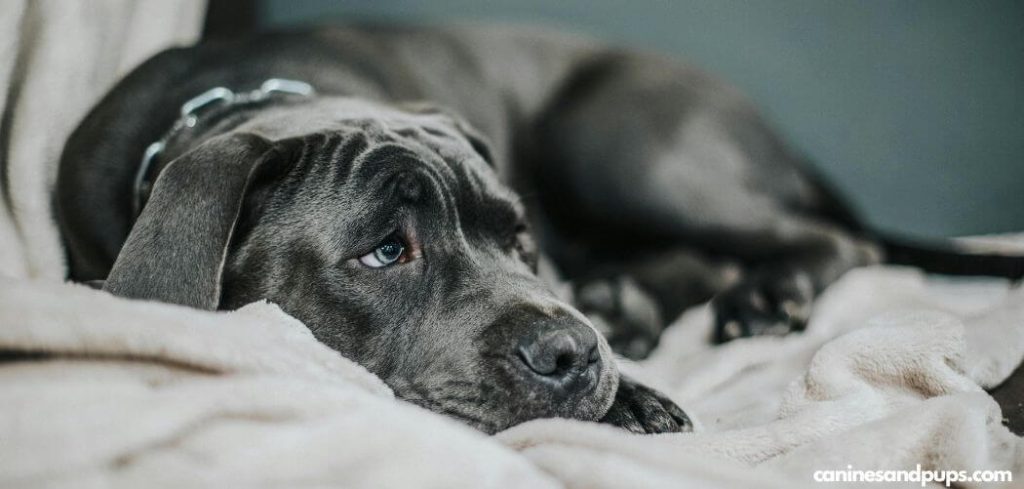
Vomiting and Diarrhea After Grooming: Common Causes
Stress from the grooming experience
Grooming can be stressful for some dogs. Being handled for an extended period, hearing unfamiliar sounds, being around other dogs, traveling to and from the facility, or experiencing restraint can create a stressful situation.
Stress can affect intestinal function and may contribute to diarrhea or other digestive changes.
Some dogs may also vomit when they become highly stressed or anxious.
If the symptoms are mild and your dog otherwise returns to normal after the appointment, stress may be one possibility. However, persistent vomiting or diarrhea should not automatically be attributed to stress.
Related: Dog Diarrhea and Vomiting After Boarding (Causes and what to do)
Swallowing shampoo or grooming products
During bathing, small amounts of shampoo or other grooming products can sometimes enter a dog’s mouth.
Ingestion of grooming products may irritate the stomach and potentially cause digestive upset.
The specific product matters, because some grooming substances are more irritating than others.
If you believe your dog swallowed a significant amount of a grooming product, contact your veterinarian and provide the product name or packaging rather than assuming the resulting symptoms are harmless.
Licking a recently groomed coat
Dogs commonly lick themselves after grooming. If residue from shampoo, conditioner, sprays, topical products, or other substances remains on the coat, a dog may ingest some of it while licking.
Depending on the substance and amount, this could contribute to stomach or intestinal irritation.
A dog repeatedly licking the coat because it feels different after grooming may also swallow more hair than usual.
Related: Dog Diarrhea and Vomiting After Vaccine (Why it happens)
Swallowing loose hair
Some dogs shed substantial amounts of hair during or after grooming. A dog may ingest loose hair while licking itself afterward.
Small amounts generally pass through the digestive tract, but consuming a larger quantity can contribute to gastrointestinal irritation in some situations.
Hair ingestion alone does not explain every episode of vomiting and diarrhea, particularly if symptoms are severe or persistent.
Treats or unfamiliar food
Your dog may have received treats during or after grooming. If the treats were unfamiliar, unusually rich, or simply different from your dog’s normal diet, they could contribute to digestive upset.
Even a small amount of an unfamiliar food can cause diarrhea in some dogs.
If you are trying to determine what happened, consider whether your dog received treats, chews, food, or anything else to eat during the appointment.
Eating something unusual after grooming
A freshly groomed dog may be more interested in licking its coat, investigating its surroundings, or eating things it normally would not.
Dogs can develop vomiting and diarrhea after eating garbage, plants, table scraps, or other inappropriate material.
Some swallowed objects can cause a gastrointestinal obstruction rather than simple digestive upset.
Vomiting that continues, abdominal pain, loss of appetite, or difficulty passing stool should therefore not be dismissed as a reaction to grooming.
Related: Dog throwing up and diarrhea with blood (Causes and what to do)
Stress-related colitis
Stress can trigger inflammation of the large intestine, commonly referred to as stress colitis.
Dogs with colitis may develop frequent loose stools, urgency, mucus, straining, and sometimes small amounts of bright-red blood.
A stressful event such as a grooming appointment may be one of several possible triggers.
A dog with mild colitis may otherwise appear relatively normal, but persistent diarrhea or significant blood in the stool warrants veterinary attention.
An unrelated gastrointestinal infection
Vomiting and diarrhea can occur because of gastrointestinal infections that have nothing to do with grooming.
Viral or bacterial infections, intestinal parasites, and other gastrointestinal conditions can begin around the same time as a grooming appointment.
If your dog was exposed to other animals or contaminated environments before or after grooming, that history may also be relevant.
The fact that symptoms started after grooming does not prove the grooming session caused an infection.
Dietary intolerance or gastrointestinal disease
Some dogs have underlying dietary sensitivities or gastrointestinal disorders that can cause intermittent vomiting and diarrhea.
A grooming appointment may simply coincide with an episode that was already developing.
If your dog has had repeated digestive problems before, a veterinarian may need to consider the broader history rather than focusing only on the grooming appointment.
Exposure to a toxic substance
Although uncommon, vomiting and diarrhea can occur after exposure to substances that are toxic or irritating to dogs.
The possible exposure could come from something encountered during grooming, at the grooming facility, during transportation, or elsewhere that day. The exact substance and amount matter greatly.
If you suspect your dog was exposed to a potentially toxic product, contact a veterinarian or animal poison service promptly rather than waiting for symptoms to become severe.
Dog Has Diarrhea and Vomiting After Grooming but Is Acting Normal
A dog may have mild diarrhea or a single episode of vomiting after grooming and then return to normal behavior.
If your dog is alert, comfortable, interested in food and water, and does not continue having digestive episodes, the situation may be less concerning than repeated vomiting and diarrhea accompanied by other signs of illness.
Still, acting normal does not identify the cause. If symptoms continue, become more frequent, or are joined by other changes, veterinary assessment is appropriate.
Dog Has Diarrhea and Vomiting the Day After Grooming
Vomiting and diarrhea can become noticeable several hours after a grooming appointment rather than immediately afterward.
A delayed onset does not necessarily mean that grooming caused the symptoms. Digestive problems can take time to become apparent, and food, treats, stress, infection, or another exposure may have occurred before or after the appointment.
Pay attention to whether the symptoms are improving or becoming more frequent and whether your dog’s appetite, energy, and water intake are changing.
Dog Vomiting and Diarrhea After Grooming With Blood
Blood in vomit or stool makes the situation more concerning.
Small amounts of fresh blood can sometimes occur when the lower intestinal tract becomes irritated, particularly with frequent diarrhea or straining.
However, significant bloody diarrhea, black or tar-like stool, or vomiting blood can occur with more serious gastrointestinal problems.
If blood is accompanied by repeated vomiting, weakness, abdominal pain, poor appetite, or worsening diarrhea, your dog should be evaluated immediately.
Related: Dog suddenly vomiting and diarrhea (Causes and what to do)
When to Call or Visit the Vet
Contact your veterinarian if vomiting or diarrhea continues after grooming, occurs repeatedly, or is accompanied by other changes.
Seek immediate veterinary attention if your dog has:
Repeated vomiting or frequent watery diarrhea
A large amount of blood in the stool
Blood in the vomit
Black or tar-like stool
Significant abdominal pain or a swollen abdomen
Marked lethargy or weakness
Refusal to eat or drink
Inability to keep water down
Signs of dehydration
Difficulty breathing
Pale or abnormal-looking gums
Repeated attempts to vomit without producing anything
Difficulty passing stool
A known or suspected ingestion of shampoo, grooming chemicals, medication, or another potentially toxic substance
Symptoms that are rapidly worsening
Severe vomiting or diarrhea, significant weakness, collapse, severe abdominal pain, breathing difficulty, or suspected poisoning warrants urgent veterinary assessment.
Dog Diarrhea and Vomiting After Grooming: Treatment
Treatment depends on whether the digestive upset is related to stress, dietary indiscretion, a grooming-product exposure, infection, parasites, or another gastrointestinal problem.
The veterinarian may ask what products were used, whether your dog received treats or food, when the symptoms started, and whether any substance may have been swallowed, followed by a physical examination and appropriate testing such as fecal testing, blood work, or abdominal X-rays or ultrasound when indicated.
Treatment is directed at the underlying cause and may include veterinary management of nausea, dehydration, gastrointestinal inflammation, or toxin exposure when appropriate.
Key Takeaway
Dog diarrhea and vomiting after grooming can be related to stress, unfamiliar food or treats, swallowed grooming products, increased licking, or another form of gastrointestinal irritation. However, the timing does not prove that grooming caused the digestive symptoms.
A mild episode in an otherwise comfortable dog may have a relatively simple explanation, but repeated vomiting or diarrhea is more concerning.
Blood, abdominal pain, weakness, dehydration, poor appetite, or a suspected exposure to a grooming product makes veterinary evaluation particularly important.
If your dog’s symptoms persist or worsen after grooming, contact your veterinarian and tell them exactly when the appointment occurred, what products were used, what your dog ate afterward, and which symptoms developed.
This information can help determine whether the problem is likely to be a temporary digestive upset or something requiring further investigation.