
It can be reassuring when a dog is coughing up phlegm but otherwise appears normal, active, and interested in their surroundings.
However, a dog can have an underlying respiratory problem even when they are still eating, playing, and behaving normally.
Phlegm may appear as mucus brought up after coughing, and its appearance can sometimes provide clues about what is happening.
A productive cough can occur with respiratory infections, airway inflammation, pneumonia, or other conditions affecting the lungs and airways.
Table of Contents
Dog Coughing Up Phlegm but Acting Normal: Why It Happens
A dog may cough up phlegm while acting normal because of mild respiratory irritation, an early respiratory infection, chronic airway inflammation, or mucus originating from the lungs or airways. Some dogs maintain normal energy and appetite despite having a respiratory condition.
The amount, color, and frequency of the phlegm can vary. However, phlegm alone cannot determine the underlying cause, and a persistent productive cough should be evaluated if it does not resolve.
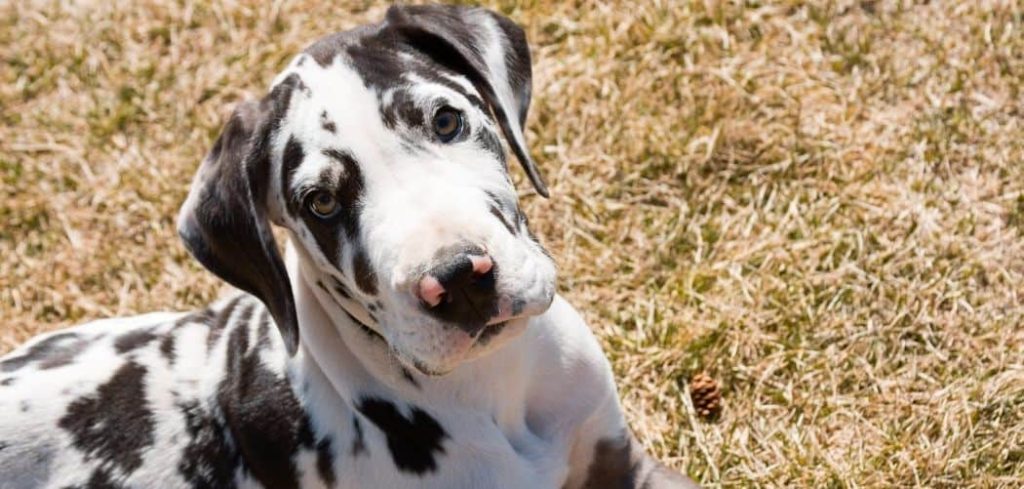
Dog Coughing Up Phlegm but Acting Normal: Common Causes
Mild Respiratory Infection
Respiratory infections can cause coughing and mucus production. Some dogs remain active and continue eating normally, particularly when the illness is mild.
Sneezing, nasal discharge, throat irritation, or occasional gagging may also occur.
Even when your dog seems well otherwise, a cough that persists or becomes more frequent should be evaluated.
Related: Dog coughing up phlegm (Causes and when to worry)
Kennel Cough
Kennel cough is a common term for a group of infectious respiratory conditions that can cause persistent coughing. Dogs may develop a harsh or forceful cough followed by gagging or mucus production.
Many affected dogs remain bright and continue eating normally.
Recent contact with other dogs, boarding, daycare, grooming, dog parks, or other group environments can increase exposure to infectious respiratory organisms.
If your dog is coughing, limiting contact with other dogs until your veterinarian advises otherwise can help reduce potential transmission.
Chronic Bronchitis
Chronic bronchitis involves persistent inflammation of the airways and can cause a long-lasting cough. Some dogs otherwise appear healthy between episodes.
The cough may produce mucus and can become more noticeable with activity, excitement, or environmental irritants.
Older dogs are more commonly affected by chronic airway conditions, although dogs of other ages can also develop them.
Related: Dog Coughing but Acting Normal (Here’s why)
Airway Irritation
Dust, smoke, perfumes, cleaning products, aerosols, and other airborne irritants can cause coughing and mucus production.
A dog may continue behaving normally if the irritation is mild.
If coughing repeatedly occurs after exposure to a particular substance, tell your veterinarian. Persistent coughing should still be evaluated to rule out an underlying airway or lung disorder.
Pneumonia
Pneumonia can cause a productive cough and mucus or phlegm. In some cases, a dog may initially appear relatively normal before becoming more obviously unwell.
As pneumonia progresses, dogs may develop lethargy, reduced appetite, fever, faster breathing, or difficulty breathing.
A productive cough accompanied by changes in breathing or general behavior warrants prompt veterinary attention.
Allergic or Inflammatory Airway Disease
Inflammation of the airways can contribute to coughing and mucus production. Environmental allergens or irritants may worsen symptoms in some dogs.
Other signs can include sneezing, watery eyes, or itchy skin, although respiratory signs may occur on their own.
Because allergies are not the only cause of coughing, persistent symptoms should be assessed by a veterinarian.
Heart Disease
Heart disease can cause coughing in dogs, particularly in older dogs. Some dogs with early or mild heart disease may continue to act normally despite developing a cough.
Other signs may eventually include reduced exercise tolerance, faster breathing while resting, weakness, or difficulty breathing.
A persistent cough in an older dog should therefore not automatically be assumed to be an infection or allergy.
Lung Disease
Various lung conditions can cause coughing and mucus production. Some develop gradually, allowing a dog to maintain normal behavior for some time.
Depending on the condition, signs may eventually include exercise intolerance, weight loss, reduced appetite, or breathing changes.
Chest imaging and other diagnostic tests may be needed when a cough does not resolve.
Foreign Material in the Airway
Inhaled or lodged foreign material can irritate the airway and cause coughing. Some dogs may remain active initially despite the irritation.
A sudden cough that began after chewing, eating, or playing with an object may warrant particular attention.
Persistent coughing or breathing changes should be assessed immediately.
Related: White foamy phlegm in dogs (Causes and what to do)
When to Call or Visit the Vet
A dog that is otherwise acting normal may not require emergency care for an occasional mild cough, but coughing up phlegm should be monitored, particularly if it persists or becomes more frequent.
Contact your veterinarian if you notice:
Coughing that continues or becomes more frequent
Increasing amounts of phlegm
Yellow, green, bloody, or unusually colored mucus
Reduced appetite, lethargy, or weakness
Fever or nasal discharge
Faster or more difficult breathing
Reduced exercise tolerance
Pale, gray, or bluish gums
Severe breathing difficulty, collapse, or rapidly worsening symptoms
Dog Coughing Up Phlegm but Acting Normal: Treatment
Veterinary treatment for a dog coughing up phlegm starts with a thorough examination of the respiratory system, heart, airway, and overall health.
The veterinarian may recommend chest X-rays to evaluate the lungs and heart, while blood tests or other diagnostic testing may be appropriate depending on the dog’s symptoms and suspected cause.
If heart disease, pneumonia, chronic airway disease, or another underlying condition is suspected, additional testing may be recommended.
Treatment may include prescription medication for infection or airway inflammation, supportive care, or other targeted treatment based on the diagnosis.
Key Takeaway
A dog coughing up phlegm but acting normal may have a mild respiratory infection, kennel cough, airway irritation, chronic bronchitis, or another respiratory condition.
Some dogs remain active and maintain a normal appetite even when they have an underlying problem.
Acting normal is reassuring, but it does not rule out respiratory disease.
Pay attention to whether the cough is persistent, whether the amount or color of the phlegm changes, and whether your dog’s breathing or energy level changes.
If your dog continues coughing up phlegm, contact your veterinarian for advice and an examination. Seek urgent veterinary care if your dog develops difficulty breathing, pale or bluish gums, collapse, severe weakness, or rapidly worsening symptoms.


