
Hearing your dog constantly hacking can be unsettling, even if they seem perfectly happy the rest of the time. The sound is a dry cough, with gagging, or repeated attempts to clear the throat.
When your dog is still eating, playing, and acting like themselves, it can be difficult to know whether the hacking is something minor or an early sign of a more serious health problem.
Because the causes vary widely, it’s important to monitor your dog’s symptoms closely and know when veterinary care is needed.
Table of Contents
Dog Constantly Hacking but Acting Normal: Why It Happens
A dog constantly hacking but acting normal may have a mild irritation in the throat, kennel cough, allergies, or a collapsing trachea. However, persistent hacking can also be linked to heart disease, chronic bronchitis, lung disease, or an inhaled foreign object.
These underlying conditions cause irritation of the throat, windpipe, or airways which triggers the cough reflex even though the rest of the body is functioning normally.
Some dogs continue to eat, drink, and play despite persistent hacking, especially during the early stages of respiratory disease.
Although many causes are mild, a cough that continues for more than a few days should not be ignored.
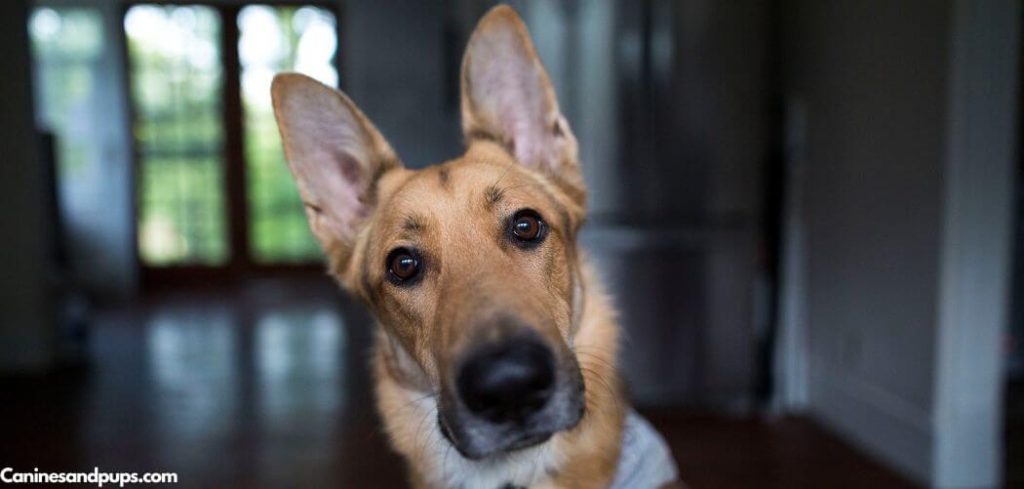
Dogs with a persistent hacking cough may show only subtle signs at first.
Common signs include:
Dry hacking cough
Gagging after coughing
Retching without producing vomit
Clearing the throat repeatedly
Coughing after excitement or exercise
Coughing when pressure is placed on the neck
Normal appetite
Normal energy level
Dog Constantly Hacking but Acting Normal: Common Causes
Kennel Cough
One of the most common causes of a dog constantly hacking but acting normal is kennel cough, a contagious respiratory infection that irritates the upper airways.
Dogs typically develop a dry, harsh hacking cough that may end with gagging or retching. Despite the frequent coughing, many dogs remain bright, playful, and continue eating normally.
Mild cases often improve with rest, while more severe infections may require veterinary treatment.
Read more: Dog Constant Hacking Cough (Causes and treatment)
Collapsing Trachea
Collapsing trachea is especially common in small and toy breeds. The windpipe gradually weakens and narrows, triggering repeated coughing episodes.
Owners often describe the cough as sounding like a goose honk. Hacking may worsen with excitement, exercise, pulling on the leash, hot weather, or obesity. Many affected dogs otherwise appear healthy between coughing episodes.
Mild Throat Irritation
Dogs sometimes develop temporary throat irritation after barking excessively, inhaling dust, chewing on grass, or swallowing something that briefly scratches the throat.
The hacking usually improves within a day or two as the irritation resolves. Persistent coughing suggests another underlying cause.
Read more: Dog coughing up phlegm (Causes and treatment)
Chronic Bronchitis
Chronic bronchitis causes long-term inflammation of the airways. It commonly affects middle-aged and older dogs and may initially cause only a persistent hacking cough.
Dogs often remain active and maintain a normal appetite during the early stages, but the cough gradually becomes more frequent over time.
Allergies
Smoke, perfumes, household cleaning products, pollen, dust, or strong fragrances can irritate sensitive airways and trigger repeated hacking.
The cough may occur mainly indoors or during certain seasons. Some dogs also sneeze, rub their face, or develop watery eyes.
Heart Disease
Heart disease, particularly in older dogs, can sometimes cause persistent coughing before other symptoms become obvious. Enlargement of the heart or fluid accumulation around the lungs may irritate nearby airways.
As the disease progresses, dogs may begin tiring more easily, breathe faster while resting, or cough more frequently at night or after activity. Early diagnosis allows treatment before heart disease becomes more advanced.
Foreign Material in the Airway
Grass seeds, plant material, food particles, or other small objects can become lodged in the throat or upper airways.
Dogs may suddenly begin hacking repeatedly, paw at their mouth, gag, or swallow excessively. Veterinary evaluation is important if the coughing starts abruptly and does not improve.
Lung Disease or Pneumonia
Although dogs with pneumonia often appear ill, some early respiratory infections or chronic lung diseases begin with little more than a persistent cough.
As the illness progresses, additional signs such as lethargy, fever, reduced appetite, rapid breathing, or nasal discharge may develop.
Dog Constantly Hacking but Acting Normal: What to Do
If your dog is hacking but otherwise acting normally, begin by monitoring how often the cough occurs. Note whether it happens after exercise, excitement, eating, drinking, sleeping, or when pressure is placed on the neck by a collar.
Whenever possible, record a video of the coughing episodes. The sound and pattern of the cough provide valuable information that can help your veterinarian distinguish between kennel cough, collapsing trachea, heart disease, or other respiratory conditions.
Switch from a neck collar to a well-fitted harness if your dog pulls on the leash, as pressure on the throat can worsen coughing in dogs with tracheal or airway problems.
Avoid exposing your dog to cigarette smoke, aerosol sprays, perfumes, fireplaces, or dusty environments that may further irritate the airways.
Ensure your dog has access to fresh water and continues eating normally. While mild coughing may improve with rest, avoid strenuous exercise if the hacking becomes more frequent during activity.
Do not give human cough suppressants or medications unless specifically prescribed by your veterinarian. Many over-the-counter products are unsafe for dogs and may delay proper diagnosis.
When to Call or Visit the Vet
Even if your dog appears otherwise healthy, a persistent hacking cough deserves veterinary attention if it continues or worsens.
Schedule an appointment if you notice:
Hacking lasting longer than a few days
Coughing that gradually becomes more frequent
Coughing after exercise or excitement
Honking cough sounds
Mild nasal discharge
Reduced exercise tolerance
Coughing that interrupts sleep
Recurring episodes over several weeks
Seek emergency veterinary attention immediately if your dog develops:
Difficulty breathing
Blue, gray, or pale gums
Collapse or fainting
Coughing up blood
Severe lethargy
Rapid or labored breathing
Choking or inability to swallow
Persistent coughing with obvious respiratory distress
Dog Constantly Hacking but Acting Normal: Treatment
Your veterinarian will ask when the hacking started, whether it sounds dry or productive, and if it occurs during exercise, excitement, eating, or rest. They will also ask about recent boarding, grooming, dog park visits, travel, and exposure to other dogs.
A physical examination includes listening to the heart and lungs, evaluating the throat, checking temperature, and assessing overall breathing. Depending on the findings, your veterinarian may recommend chest X-rays, blood work, airway evaluation, heartworm testing, or ultrasound of the heart if heart disease is suspected.
Treatment depends on the underlying cause. Kennel cough may require rest, cough medication prescribed specifically for dogs, or antibiotics if a bacterial infection is present. Dogs with collapsing trachea often benefit from weight management, harness use, cough suppressants, bronchodilators, and lifestyle adjustments.
Chronic bronchitis may require anti-inflammatory medications and long-term management. Heart disease is treated with medications that improve heart function and reduce fluid buildup. Foreign objects lodged in the airway may require sedation or endoscopy for safe removal.
Recovery and Monitoring
Recovery depends on the cause of the hacking. Mild throat irritation may resolve within a day or two, while uncomplicated kennel cough often improves within one to three weeks with appropriate care.
Dogs with collapsing trachea, chronic bronchitis, or heart disease usually require ongoing management rather than a permanent cure. However, many continue to enjoy a good quality of life when treatment is started early.
Continue monitoring how often your dog coughs, whether the cough changes in sound or frequency, and whether new symptoms such as lethargy, breathing difficulty, or appetite loss develop. Follow all medication instructions carefully and attend recommended follow-up appointments.
If the hacking becomes more severe, begins interfering with normal breathing, or your dog starts acting unwell, contact your veterinarian immediately.
Key Takeaway
A dog constantly hacking but acting normal may be experiencing a mild throat irritation, kennel cough, collapsing trachea, chronic bronchitis, allergies, or the early stages of heart or lung disease.
Although many dogs remain active and continue eating normally, persistent hacking is not considered normal and should not be ignored.
Carefully monitor your dog’s coughing pattern and watch for any new symptoms. A veterinary examination can identify the underlying cause and help prevent more serious complications.
If your dog’s hacking persists for more than a few days, worsens, or is accompanied by difficulty breathing, collapse, coughing up blood, or loss of energy, seek veterinary care promptly. Early diagnosis offers the best chance of effective treatment and a comfortable recovery.


