
Panting is normal for dogs after exercise or on a warm day, but when a dog with cancer begins panting excessively or suddenly, it can be a worrying sign.
Excessive panting in dogs with cancer can be subtle at first, but it often points to underlying pain or distress that needs attention.
Table of Contents
Dog Cancer and Panting: Why It Happens
Dogs with cancer may pant for several reasons, ranging from pain and stress to organ complications. Tumors can cause discomfort, breathing difficulties, or internal pressure that makes it harder for a dog to breathe normally.
Certain cancers may affect the lungs or chest cavity directly, while others create systemic effects such as anemia or hormonal imbalances that contribute to panting.
Some dogs may also pant due to side effects of medications like steroids or chemotherapy. In every case, panting is a signal that the body is under strain and needs careful attention.
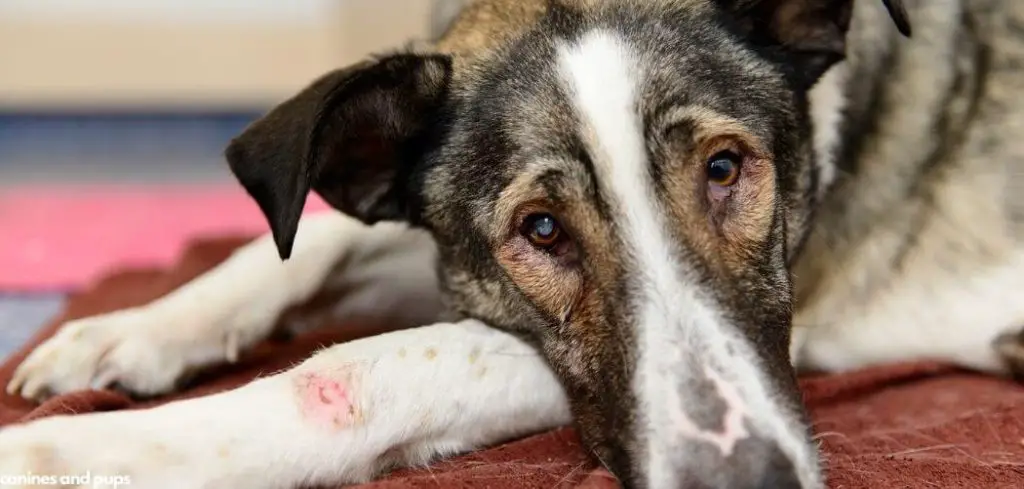
Dog Cancer and Panting: Symptoms
Panting in a dog with cancer is often a sign of underlying discomfort or systemic stress rather than just heat or exercise.
Common reasons include pain from tumors, difficulty breathing (especially if the lungs or chest are affected), anemia, fever, or side effects of medications.
Dogs may pant more at rest, appear restless, drool, or have reduced appetite. In some cases, panting is linked to anxiety or nausea.
When panting becomes persistent, heavy, or occurs alongside weakness or withdrawal, it usually indicates the dog is not fully comfortable.
Dog Cancer and Panting: Common Causes
Pain and Discomfort
Cancer often causes pain, especially if tumors press against internal organs, nerves, or bones. Dogs cannot verbalize discomfort, so panting becomes one way to cope with pain.
A dog that seems restless, avoids lying down, or pants heavily at rest may be signaling that their pain is not well managed.
Uncontrolled pain can quickly reduce a dog’s quality of life, so panting in this context should always be taken seriously.
Read more: Dog with Cancer and Diarrhea (What it could mean)
Tumors in the Chest or Lungs
Cancers that develop in or around the chest cavity, such as lung cancer or metastatic tumors, can make it harder for a dog to breathe.
These tumors may reduce lung capacity or create fluid buildup, leading to labored breathing and panting. Dogs might also cough, tire quickly, or prefer sitting up instead of lying flat.
Panting due to reduced oxygen levels is a red flag that requires urgent veterinary care.
Anemia from Cancer
Some cancers, particularly those affecting the spleen or bone marrow, can lead to anemia. When red blood cell counts drop, less oxygen is carried through the body.
Dogs with anemia often pant heavily even when resting, as their body works harder to circulate oxygen. Other signs can include pale gums, weakness, or collapse.
Panting caused by anemia is always serious and typically demands immediate veterinary intervention.
Stress and Anxiety
Living with cancer is stressful for dogs, especially if they are experiencing frequent vet visits, new medications, or changes in routine.
Stress and anxiety can trigger panting in otherwise healthy dogs, and this effect is amplified when a dog is already weakened by illness. Dogs may pace, hide, or cling to their owner while panting heavily in response to stress.
While stress-related panting may not always be life-threatening, it signals that a dog is struggling emotionally as well as physically.
Side Effects of Medication
Dogs with cancer are often treated with steroids like prednisone or with chemotherapy. Steroids commonly cause increased panting, along with increased thirst and appetite.
Chemotherapy can also create side effects such as nausea, weakness, and shortness of breath that lead to panting.
While some panting from medications can be expected, any sudden worsening should be reported to a veterinarian.
Heat Intolerance
Dogs with cancer may have reduced ability to regulate body temperature. This means they may pant excessively even in mild weather or indoors.
Heat intolerance becomes especially dangerous if a dog is already weak or dealing with breathing issues, since their body cannot cool itself effectively.
Read more: Dog Cancer and Shaking (Here’s why)
Dog with Cancer and Panting and Drooling
Panting combined with drooling in a dog with cancer often indicates pain, nausea, or significant discomfort.
Many cancers—especially those affecting the digestive system, mouth, or internal organs—can cause nausea, which leads to excess saliva and drooling.
Pain or stress can also trigger both panting and drooling at the same time. In some cases, medications or toxin buildup in the body can worsen these symptoms.
This combination usually suggests the dog is not comfortable and may need supportive care to relieve nausea and pain.
Dog with Cancer and Panting and Pacing
Panting and pacing together in a dog with cancer often point to restlessness caused by pain, anxiety, or internal discomfort.
Dogs may pace because they cannot find a comfortable position or are feeling unsettled.
Pain from tumors, organ pressure, or inflammation can make it difficult to lie down, leading to continuous movement and panting.
Cognitive changes or medication side effects may also contribute. This behavior typically signals that the dog is struggling to settle and may need adjustments in pain management or comfort care.
Dog with Cancer and Panting and Shaking
Panting along with shaking in a dog with cancer is often a sign of pain, weakness, or systemic stress on the body.
Shaking can result from discomfort, fever, or anxiety, while panting reflects physical strain or distress. In some cases, it may indicate worsening illness, toxin buildup, or side effects of treatment.
Dogs may appear restless, weak, or unable to relax. This combination is usually more concerning, as it often reflects a higher level of discomfort or progression of disease and may require immediate attention to improve comfort.
Dog Cancer and Panting at Night
Panting at night in a dog with cancer is often more noticeable and can signal pain, restlessness, or difficulty settling. Dogs may struggle to find a comfortable position, especially if tumors are causing internal pressure or joint discomfort.
Nighttime can also worsen anxiety or confusion, particularly in older dogs, leading to pacing and panting. In some cases, breathing issues become more apparent when the dog is lying down.
Persistent nighttime panting is usually a sign that comfort levels need to be reassessed.
What to Do If Your Dog Has Cancer and Is Panting
If a dog with cancer begins panting more than usual, you can take a few steps at home to help them stay comfortable. Providing a cool, quiet resting place can reduce heat-related stress.
Ensuring they have fresh water nearby at all times helps prevent dehydration.
Gentle reassurance, soft bedding, and a calm environment can also ease anxiety-driven panting.
Discuss pain management openly with the veterinarian, since many dogs benefit from adjustments in pain medication or additional supportive therapies.
If the panting is linked to medication side effects, the veterinarian may recommend dosage changes or alternative treatments.
Keeping a log of when the panting occurs, how long it lasts, and what other symptoms accompany it can also help the vet make more informed decisions.
When to Call or Visit Your Vet
Panting in a dog with cancer should never be ignored, especially if it comes on suddenly or grows progressively worse.
If panting is accompanied by coughing, wheezing, pale gums, collapse, or severe lethargy, immediate veterinary attention is essential.
Difficulty breathing or panting that does not ease with rest or cooling should also be treated as an emergency.
Even if the panting seems mild, a call to the veterinarian is wise. Panting may indicate that pain management needs to be adjusted or that the cancer is progressing.
Regular communication with the veterinary team ensures that the dog’s comfort and quality of life remain the priority.
Read more: Dog Panting Excessively (Should you worry?)
Dog Cancer and Panting: Treatment
Treatment for panting in a dog with cancer focuses on relieving the underlying cause and improving comfort. The veterinarian assesses whether the panting is due to pain, breathing difficulty, anxiety, fever, or medication side effects.
Pain management is often a key part of treatment, using appropriate medications to reduce discomfort from tumors or inflammation.
If nausea or stress is contributing, anti-nausea or calming medications may be prescribed. In cases where breathing is affected, supportive care such as oxygen therapy or adjusting the dog’s position to ease breathing may help.
Keeping the environment cool, quiet, and low-stress also reduces panting. If panting becomes severe or persistent, it often means the current care plan needs adjustment.
Stages of Dog Cancer Leading to Death
Cancer in dogs generally progresses through stages, though the timeline varies.
In the early stage, signs may be mild—such as small lumps, slight weight loss, or reduced energy.
During the progressive stage, symptoms become more noticeable, including ongoing weight loss, decreased appetite, vomiting, or behavioral changes.
In the advanced stage, the disease significantly affects daily life, with weakness, pain, difficulty breathing, and reduced mobility.
In the end stage, the body begins to shut down—dogs may stop eating and drinking, become extremely weak, withdraw, and have trouble breathing or staying comfortable. At this stage, the focus is on comfort and quality of life.
My Dog has Cancer. When do I Put Him Down?
This decision is based on your dog’s quality of life, not just the diagnosis. It may be time to consider euthanasia when your dog is no longer comfortable despite treatment.
Key signs include persistent pain, difficulty breathing, inability to stand or move without distress, ongoing vomiting or refusal to eat, extreme weakness, or loss of interest in interaction.
Many owners find it helpful to track good days versus bad days—when bad days clearly outweigh the good, quality of life is declining. The goal is to prevent prolonged suffering and allow a peaceful, dignified passing.
Your veterinarian can help guide you through this decision based on your dog’s condition and comfort level.
Key Takeaway
Panting in a dog with cancer is a signal that the body is under stress, whether from pain, organ involvement, anemia, medication side effects, or emotional strain. While some panting can be expected, excessive or sudden panting should always be taken seriously.
You should focus on creating a comfortable, cool, and stress-free environment while working closely with their veterinarian to manage symptoms.
Prompt veterinary care not only improves comfort but can extend quality of life for dogs living with cancer.