
When your dog looks bloated but shows no other symptoms, it can leave you feeling unsure and concerned.
A swollen abdomen can sometimes seem minor, but it may also signal an underlying issue that needs attention.
Table of Contents
Dog Bloated No Other Symptoms: Why It Happens
A dog that appears bloated without other symptoms may be dealing with gas buildup, overeating, intestinal blockage, organ enlargement, or a condition like early bloat (gastric dilatation). Some dogs may show only abdominal swelling at first, with other warning signs developing later.
In many cases, the lack of additional symptoms makes it more challenging to judge whether it’s a benign issue or something urgent.
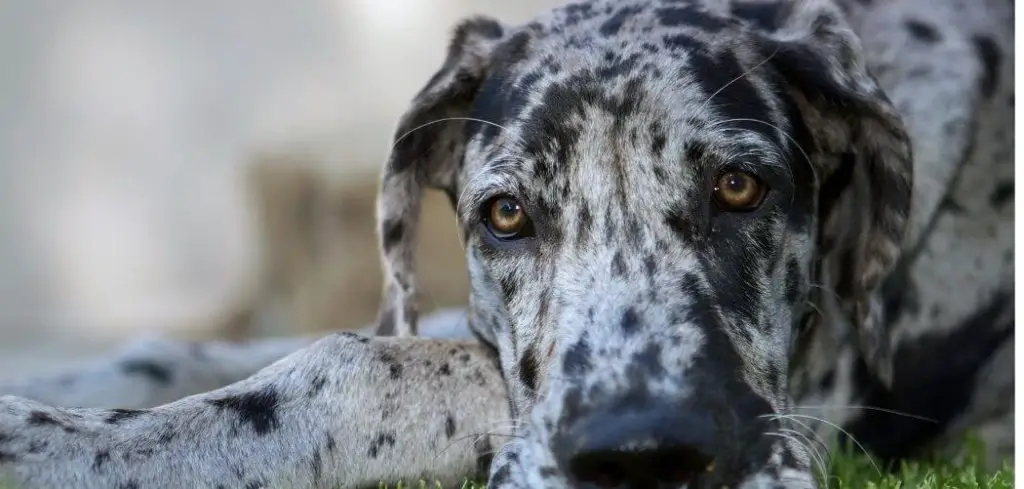
Dog Bloat Timeline
The timeline for bloat can vary depending on the cause. In gastric dilatation-volvulus (GDV), a life-threatening form of bloat, symptoms can develop very quickly – within minutes to a few hours after eating, drinking, or exercise. Early signs include restlessness, pacing, and a slightly enlarged abdomen.
This can rapidly progress to severe swelling, unproductive retching, drooling, weakness, and collapse.
In milder gas-related bloating, swelling may appear gradually and resolve within a few hours.
Because dangerous bloat can progress rapidly, any sudden abdominal enlargement, especially with discomfort, should be treated as an emergency.
What Are the First Signs of Bloat in a Dog?
The first signs of bloat in dogs often include sudden abdominal swelling, restlessness, pacing, and repeated attempts to vomit without producing anything.
Dogs may also drool excessively, appear uncomfortable, or repeatedly change positions because they cannot get comfortable.
Early in the condition, the abdomen may feel tight or distended, and breathing can become slightly labored as pressure builds in the stomach.
These early symptoms can progress quickly, especially in life-threatening gastric dilatation-volvulus (GDV), so immediate veterinary care is critical if bloat is suspected.
Dog Bloated No Other Symptoms: Common Causes
Overeating or Rapid Eating
Dogs that eat too quickly or consume a large meal may temporarily look bloated. When a dog gulps down food, air can become trapped in the stomach, causing distension.
You might notice your dog’s belly looks round and firm, but otherwise, they act normal. This type of bloating often subsides within a few hours as digestion progresses.
While it may seem harmless, chronic overeating or gulping food can increase the risk of more serious conditions like gastric dilatation-volvulus (GDV) in deep-chested breeds.
Read more: Dog Shaking and Not Eating (Here’s Why)
Gas and Indigestion
Gas buildup is one of the most common and benign reasons for a dog looking bloated with no other symptoms. This can happen if a dog eats something unusual, has a minor digestive upset, or swallows air during play.
Signs include a visibly swollen abdomen, occasional gurgling noises, and sometimes passing gas. Dogs usually continue acting normal, but the appearance of the belly may worry owners.
Though usually mild, frequent bloating from gas could point to food intolerance, poor diet, or even intestinal parasites that should be checked by a vet.
Intestinal Obstruction (Early Stages)
A dangerous but subtle cause of bloating is a partial intestinal blockage. Dogs that swallow foreign objects — toys, bones, fabric, or sticks — can develop swelling before other symptoms appear.
At first, your dog may just look bloated with no vomiting or lethargy. However, as the blockage progresses, serious signs such as loss of appetite, pain, or vomiting usually develop.
This is why a “wait and see” approach can be risky when a dog has unexplained abdominal swelling. What begins as mild bloating may quickly escalate into a life-threatening emergency.
Organ Enlargement
Sometimes, a dog’s belly looks swollen because an internal organ is enlarged. Conditions like liver disease, kidney issues, or tumors can cause gradual distension without obvious discomfort.
Dogs may appear otherwise normal at first, only showing swelling as the disease progresses. Over time, you might notice subtle changes like reduced stamina, mild appetite loss, or increased drinking.
Because organ enlargement can stem from serious health problems, persistent bloating always deserves veterinary attention, even if your dog seems fine otherwise.
Fluid Build-Up (Ascites)
Ascites is the medical term for fluid accumulation in the abdomen. This can be caused by heart disease, liver failure, cancer, or other systemic problems.
Early on, a dog with ascites may simply look bloated but act normal. The swelling can feel soft or fluid-like when touched, unlike the firm distension seen in gas or food bloat.
Even if your dog is behaving normally, fluid in the abdomen almost always signals a significant underlying condition that should be investigated quickly.
Gastric Dilatation (Early Stage Bloat)
Bloat, or gastric dilatation-volvulus (GDV), is one of the most feared causes of abdominal swelling in dogs. In its earliest stage, a dog may only show a bloated belly with no other symptoms.
As the stomach fills with gas and expands, it can twist, cutting off the blood supply and leading to shock. Dogs may initially act normally, but within hours, signs such as restlessness, drooling, and attempts to vomit appear.
Large, deep-chested breeds like Great Danes, German Shepherds, and Boxers are at the highest risk. Even without other symptoms, sudden bloating in these dogs should always be treated as an emergency.
Can Bloat In Dogs Happen Randomly?
Yes, bloat can appear suddenly and without an obvious trigger. It often occurs after eating large meals, drinking too much water, exercising after eating, or rapid food consumption, but it can also happen “randomly” even when no clear cause is identified.
Some dogs are simply more anatomically or genetically prone to it.
Even though it may seem random, bloat is always a medical emergency when it occurs and should never be monitored at home.
What Breeds of Dogs are Prone to Bloat?
Large and deep-chested breeds are most prone to bloat. These include Great Danes, German Shepherds, Dobermans, Boxers, Weimaraners, Standard Poodles, and Saint Bernards. Their chest structure allows more space for the stomach to twist or fill with gas.
Smaller breeds can also develop bloat, but it is much less common. Genetics, body shape, and eating habits all play a role in risk.
Dog Swollen Stomach No Pain
A swollen stomach without obvious pain can still indicate fluid buildup, gas accumulation, weight gain, pregnancy, or organ enlargement. Some dogs do not show clear discomfort even when the abdomen is enlarged, especially in early stages.
Causes may include intestinal gas, ascites (fluid in abdomen), liver disease, heart disease, or tumors.
Even if the dog seems comfortable, a noticeably enlarged belly should be monitored closely, particularly if it develops suddenly.
A painless swollen abdomen can still become serious if it worsens or begins to affect breathing, appetite, or energy levels.
Dog Bloated Stomach No Appetite
A bloated stomach combined with loss of appetite often suggests digestive upset, gas buildup, pancreatitis, intestinal blockage, or organ-related disease.
Dogs may refuse food because abdominal pressure makes them feel full or nauseated. Additional signs may include lethargy, vomiting, restlessness, or reduced bowel movements.
This combination is more concerning than bloating alone, since not eating may indicate pain, nausea, or internal inflammation. If the bloating persists or worsens, a veterinary assessment is required to rule out serious causes.
Dog Stomach Bloated but Acting Normal
A dog with a bloated stomach but acting normal may have temporary gas, mild digestive upset, overeating, or fluid retention. Some dogs do not show pain in the early stages, making it difficult to determine severity.
The abdomen may feel soft and the dog may still eat, drink, and behave normally. However, even without other symptoms, bloating should be watched carefully for changes such as restlessness, panting, vomiting, or a firm, tight belly.
If the swelling persists, increases, or happens repeatedly, veterinary assessment is important to rule out underlying digestive, hormonal, or organ-related causes.
Old Dog Bloated No Other Symptoms
An older dog with a bloated abdomen but no other symptoms may be experiencing slow fluid accumulation, age-related organ changes, or mild gas buildup.
Conditions such as liver disease, heart disease, hormonal disorders, or abdominal tumors can cause gradual abdominal enlargement without immediate discomfort.
Senior dogs sometimes tolerate bloating quietly, making it harder to detect early problems.
Even without other signs, a persistent or increasing belly size in an older dog should be evaluated, as early detection helps manage chronic conditions and prevents sudden complications.
My Puppy Is Bloated but Acting Normal
A puppy that appears bloated but is acting normal may have gas buildup, overeating, intestinal parasites, or swallowing air while eating quickly. Puppies often develop temporary abdominal fullness after large meals or drinking a lot of water.
Worms are also a common cause of a round, distended belly in otherwise playful puppies.
Even if the puppy seems fine, bloating should be monitored closely, especially if the abdomen becomes tight, rapidly enlarges, or is accompanied by vomiting, restlessness, or lethargy, which could indicate a more serious issue.
Persistent bloating in puppies should be evaluated to rule out parasites or digestive problems.
My Dog Is Bloated but Still Pooping
A dog that is bloated but still pooping may have gas buildup, mild digestive upset, overeating, or food intolerance rather than a complete intestinal blockage.
Passing stool suggests the intestines are still moving, which is somewhat reassuring. However, bloating can still occur with colitis, parasites, fluid accumulation, or partial obstruction.
Monitor whether the abdomen is soft or tight, and watch for new signs like vomiting, restlessness, decreased appetite, or lethargy. If the bloating persists or worsens despite normal bowel movements, a veterinary check is required to rule out underlying issues.
What Could Be Mistaken for Bloat in Dogs?
Several conditions can look like bloat, including gas buildup, constipation, overeating, pregnancy, obesity, or fluid accumulation in the abdomen (ascites).
Urinary blockage or intestinal issues can also cause abdominal swelling that resembles bloat. Mild stomach upset may cause temporary distension without true GDV.
However, true bloat usually progresses quickly and includes discomfort, restlessness, and worsening symptoms, which helps differentiate it from less serious conditions.
Dog Bloated Stomach Home Remedy
For mild bloating, home care focuses on resting the digestive system and reducing gas buildup. Home remedies should only be used if the dog is otherwise acting normal, because severe bloat requires immediate veterinary care.
If your dog appears bloated but otherwise acts normal, start by observing closely. Sometimes, mild bloating after a meal or play session will settle naturally.
Make sure your dog has access to water but avoid offering more food until the swelling improves. Encourage rest and avoid vigorous exercise that could worsen stomach pressure.
If you suspect overeating or rapid eating, consider feeding smaller, more frequent meals and using slow-feeder bowls to reduce gulping.
However, don’t ignore persistent or unexplained bloating. Even if your dog looks comfortable, subtle swelling can sometimes be the first sign of a serious condition. When in doubt, call your veterinarian for guidance.
When to Worry About Bloating in Dogs?
Seek immediate veterinary care if your dog’s bloating:
Appears suddenly and is severe.
Occurs in a deep-chested breed.
Is accompanied by retching, drooling, or restlessness.
Feels firm or tight to the touch.
Persists for more than a few hours without improvement.
Also, call your vet if the bloating recurs frequently or if your dog develops additional symptoms like loss of appetite, lethargy, or difficulty breathing.
Since many serious conditions start with mild or vague signs, it’s always safer to have abdominal swelling checked early.
Read more: Dog Shaking No Other Symptoms (What it could mean)
Dog Bloated No Other Symptoms: Treatment
When a dog has a bloated abdomen but no other symptoms, veterinary treatment focuses on identifying the underlying cause and preventing progression.
The veterinarian will typically start with a physical exam to determine whether the abdomen feels soft (gas or fat) or tight (fluid or pressure).
Depending on findings, they may recommend abdominal X-rays, ultrasound, or blood tests to check for gas buildup, fluid accumulation (ascites), organ enlargement, parasites, or tumors.
Treatment varies based on the cause. Mild gas-related bloating may be managed with dietary adjustments, probiotics, and medications to reduce gas or improve digestion.
If fluid buildup is present, treatment may involve diuretics or addressing heart, liver, or kidney disease. Parasites may be treated with deworming medication, while food intolerance may require a prescription or limited-ingredient diet.
Even when the dog appears normal, persistent bloating should be evaluated because some conditions develop slowly before showing obvious symptoms.
Key Takeaway
A dog bloated with no other symptoms can be unsettling because it’s unclear whether the cause is harmless or serious.
While overeating or mild gas may explain some cases, conditions like intestinal blockages, fluid buildup, or early bloat can also present this way.
Always monitor closely, make small adjustments at home, and contact your vet if swelling is sudden, severe, or persistent. Your caution could make all the difference in keeping your dog safe and healthy.