
A dog that is being sick while also repeatedly licking its paws may have two symptoms that are related or may be occurring for separate reasons.
Occasional paw licking or an isolated episode of vomiting may not be alarming on its own, but the combination becomes more important when either behavior is persistent or unusual for your dog.
Looking at your dog’s skin, paws, appetite, energy, stool, and other symptoms can help put the two behaviors into context.
We explain what vomiting that is being sick and licking the paws may indicate, what you can do to support your dog, and when a veterinary examination is appropriate.
Table of Contents
Dog Being Sick and Licking Paws: Why It Happens
A dog being sick and licking their paws may have food allergies, inflammatory bowel disease, gastroenteritis, poisoning, environmental allergies, pancreatitis, stress, or another underlying health condition.
Some dogs may also develop diarrhea, loss of appetite, itchy skin, ear infections, or lethargy.
Determining whether the two symptoms are connected is the key to finding the correct treatment.
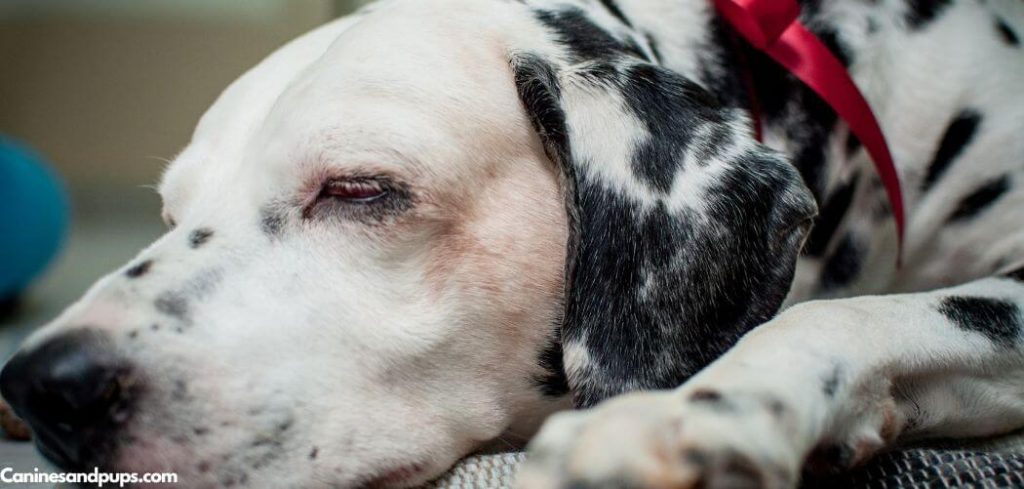
Dog Being Sick and Licking Paws: Common Causes
Food Allergies
Food allergies are one of the few conditions that commonly affect both the skin and digestive system.
An abnormal immune response to ingredients such as beef, chicken, dairy, wheat, or other proteins can lead to chronic itching alongside vomiting or diarrhea.
Dogs with food allergies often lick and chew their paws because the skin becomes itchy and inflamed.
At the same time, inflammation within the digestive tract may trigger nausea, vomiting, loose stools, or intermittent stomach upset.
Unlike seasonal allergies, food allergies usually cause symptoms throughout the year.
Veterinarians typically diagnose food allergies using a strict elimination diet that lasts several weeks.
Once the triggering ingredient is identified and removed from the diet, both the digestive and skin symptoms often improve significantly.
Read more: Dog suddenly vomiting and diarrhea (Possible causes)
Inflammatory Bowel Disease (IBD)
Inflammatory bowel disease is a chronic condition in which the immune system causes persistent inflammation within the digestive tract.
Many dogs with IBD experience recurring vomiting, diarrhea, and reduced appetite.
Some dogs with inflammatory bowel disease also develop skin inflammation or food sensitivities that lead to excessive paw licking.
Although not every dog with IBD has skin symptoms, the immune-related nature of the condition means digestive and skin problems can occur together.
Diagnosis usually involves blood tests, fecal examinations, abdominal imaging, and sometimes intestinal biopsies after other causes have been ruled out.
Long-term management often includes prescription diets, medications to reduce inflammation, and regular veterinary monitoring.
Acute Gastroenteritis
Acute gastroenteritis causes inflammation of the stomach and intestines due to dietary indiscretion, infections, stress, or sudden food changes.
Vomiting is one of the most common symptoms, often accompanied by diarrhea and nausea.
While gastroenteritis itself does not directly cause paw licking, dogs that feel nauseous or anxious because they are unwell may lick their paws as a self-soothing behavior.
The paw licking usually resolves once the stomach upset improves.
Most mild cases recover with supportive care, but dogs with persistent vomiting, severe diarrhea, or signs of dehydration should be examined promptly by a veterinarian.
Read more: Dog vomiting undigested food hours later (Why it happens)
Environmental Allergies
Environmental allergies caused by pollen, grass, dust mites, or mold most commonly affect the skin, especially the paws.
Dogs frequently lick or chew their feet because of persistent itching and irritation.
Although environmental allergies do not directly cause vomiting, some dogs accidentally swallow large amounts of hair while grooming irritated paws, leading to mild stomach irritation.
In addition, medications used to treat allergies or secondary skin infections may occasionally cause digestive upset.
Veterinarians diagnose environmental allergies based on the pattern of symptoms and by ruling out other causes.
Long-term management may include allergy medications, medicated shampoos, immunotherapy, and regular paw cleaning after outdoor walks.
Poisoning
Certain toxins can irritate both the digestive system and the skin or mouth, leading to vomiting and excessive licking.
Dogs that walk through chemicals such as pesticides or fertilizers may lick the residue from their paws, accidentally swallowing toxic substances.
Depending on the toxin involved, dogs may also drool excessively, tremble, develop diarrhea, become weak, experience seizures, or collapse.
Some chemicals can also burn the paw pads or mouth, increasing the urge to lick.
Any suspected poisoning requires immediate veterinary attention. Early treatment can reduce toxin absorption and prevent serious organ damage.
Pancreatitis
Pancreatitis causes inflammation of the pancreas and results in severe nausea, vomiting, abdominal pain, and loss of appetite.
Although paw licking is not a classic symptom, dogs experiencing significant discomfort sometimes lick their paws repeatedly as a stress-related coping behavior.
The condition is more common in overweight dogs, older dogs, and breeds such as Miniature Schnauzers, particularly after eating fatty foods.
Affected dogs often appear restless, reluctant to move, or adopt a hunched posture because of abdominal pain.
Diagnosis typically involves blood tests and abdominal ultrasound. Many dogs require hospitalization for intravenous fluids, pain relief, anti-nausea medication, and nutritional support.
Stress or Anxiety
Stress and anxiety can contribute to both vomiting and compulsive paw licking in some dogs. Changes such as moving house, boarding, travel, fireworks, thunderstorms, or separation from family members may trigger these behaviors.
Stress affects the digestive system through hormonal changes that increase stomach acid and alter gut movement, occasionally resulting in nausea or vomiting.
At the same time, anxious dogs often lick their paws repeatedly as a calming or self-soothing behavior.
If stress appears to be the trigger, your veterinarian can help identify appropriate behavior modification techniques or, in some cases, medications to reduce anxiety.
Paw Injury or Infection
Cuts, burns, splinters, torn nails, yeast infections, or bacterial infections commonly cause excessive paw licking because they are painful or itchy.
Although these problems do not usually cause vomiting directly, severe pain or an accompanying fever may occasionally lead to nausea.
Dogs with paw injuries may limp, avoid putting weight on the affected foot, or have swelling, redness, or discharge between the toes.
If an infection spreads or the dog becomes generally unwell, vomiting may also occur.
A veterinary examination is important to identify the underlying cause of the paw problem. Treatment may include cleaning the wound, antibiotics, antifungal medication, pain relief, or removal of any foreign material.
Read more: Dog Being Sick and Licking Lips (Causes and treatment)
Dog Being Sick and Licking Paws: What to Do
If your dog vomits once and occasionally licks their paws but otherwise seems bright and alert, monitor them closely over the next 24 hours.
Examine the paws for redness, swelling, cuts, foreign objects, or signs of irritation, especially between the toes and around the paw pads.
Keep track of when the vomiting occurs and whether the paw licking happens constantly or only after walks, meals, or exposure to grass or other potential allergens.
Also note any additional symptoms such as diarrhea, itching elsewhere on the body, ear infections, or loss of appetite, as these details can help your veterinarian determine whether the symptoms are related.
Avoid allowing your dog to lick chemically treated lawns or clean products from their paws, and do not give human medications unless specifically instructed by your veterinarian.
When to Call or Visit the Vet
Vomiting together with excessive paw licking should be evaluated if either symptom persists or becomes more severe.
Schedule an appointment if you notice:
Repeated vomiting
Persistent paw licking or chewing
Red, swollen, or irritated paws
Reduced appetite
Mild diarrhea
Itchy skin or recurring ear infections
Weight loss
Recurring digestive problems
Seek emergency veterinary attention immediately if your dog develops:
Repeated vomiting with inability to keep water down
Blood in the vomit
Severe abdominal pain
Collapse or extreme weakness
Signs of dehydration
Suspected poisoning or chemical exposure
Seizures or difficulty breathing
Severe swelling or bleeding from the paws
Dog Being Sick and Licking Paws: Treatment
Veterinary treatment for a dog that is being sick and repeatedly licking its paws begins with a physical examination and assessment of the digestive and skin systems.
Depending on the findings, the veterinarian may recommend blood tests, fecal testing, allergy or skin testing, or diagnostic imaging.
Treatment may include anti-nausea medication, fluid therapy, gastrointestinal medication, pain relief, or prescription diets, together with specific treatment for any condition identified during the examination.
Persistent vomiting or significant paw irritation may require follow-up treatment.
Recovery and Monitoring
Recovery depends on the underlying cause. Mild gastroenteritis may improve within a few days, while food allergies, inflammatory bowel disease, or environmental allergies often require long-term management to control both digestive and skin symptoms.
Monitor your dog’s appetite, water intake, body weight, bowel movements, paw condition, and whether the licking and vomiting improve after treatment begins.
Administer all prescribed medications exactly as directed and attend follow-up appointments recommended by your veterinarian.
Contact your veterinarian if vomiting continues, the paw licking becomes more intense, sores develop on the feet, your dog refuses food or water, becomes increasingly lethargic, or shows signs of dehydration.
Key Takeaway
A dog being sick and licking their paws commonly results from food allergies, inflammatory bowel disease, gastroenteritis, environmental allergies, poisoning, pancreatitis, stress, or paw injuries.
While vomiting and paw licking are sometimes unrelated, recurring episodes of both symptoms may indicate an underlying condition affecting the digestive system, skin, or immune system.
Early veterinary evaluation can identify whether the symptoms are connected and ensure appropriate treatment.
If your dog repeatedly vomits, cannot keep water down, develops severe abdominal pain, collapses, is suspected of toxin exposure, or shows signs of dehydration, seek emergency veterinary care immediately.


