
When a dog is being sick and repeatedly licking its lips, the combination can indicate that your dog is experiencing more than simple vomiting alone.
Lip licking is often associated with nausea or discomfort, but its significance depends on what happens before, during, and after your dog is sick.
Paying attention to how often the vomiting occurs, whether your dog continues licking its lips afterward, and whether there are changes in appetite, drinking, or behavior can provide useful clues.
Table of Contents
Dog Being Sick and Licking Lips: Why It Happens
A dog being sick and licking their lips may have gastroenteritis, bilious vomiting syndrome, acid reflux, pancreatitis, poisoning, an intestinal obstruction, kidney disease, or another health problem.
Some dogs may also refuse food, become lethargic, develop diarrhea, or show signs of abdominal pain.
Recognizing lip licking as an early sign of nausea can help owners seek veterinary care before symptoms worsen.
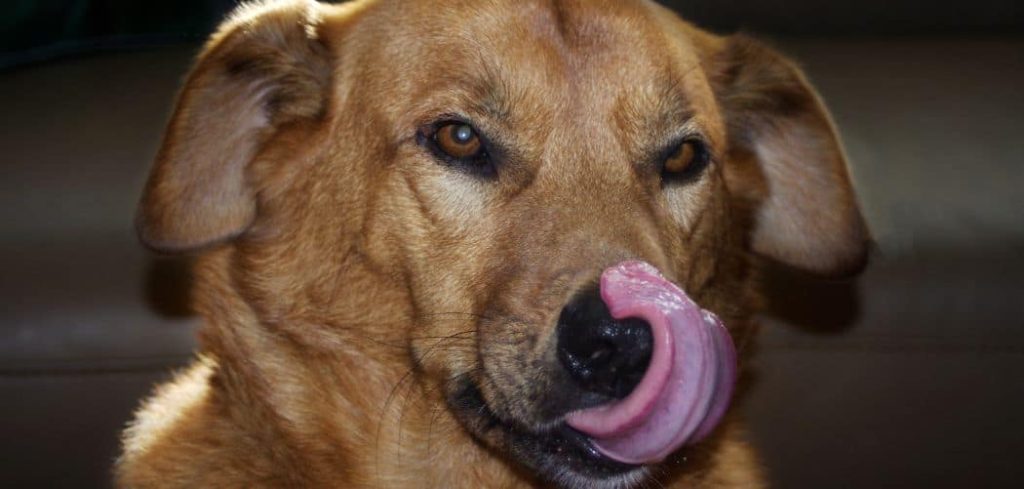
Dog Being Sick and Licking Lips: Common Causes
Acute Gastroenteritis
Acute gastroenteritis is one of the most common reasons dogs begin licking their lips before vomiting.
Inflammation of the stomach and intestines causes nausea, and increased saliva production often leads to repeated lip licking and swallowing before the stomach empties.
The condition may develop after eating spoiled food, sudden dietary changes, bacterial or viral infections, stress, or consuming irritating substances.
Many dogs also develop diarrhea, mild abdominal discomfort, and a temporary loss of appetite while the digestive tract is inflamed.
Your veterinarian will usually diagnose gastroenteritis based on your dog’s history and physical examination, although blood work or fecal testing may be recommended if symptoms are severe or prolonged.
Mild cases often improve with supportive treatment, while severe cases may require hospitalization and intravenous fluids.
Read more: Dog vomiting undigested food hours later (Why it happens)
Bilious Vomiting Syndrome
Bilious vomiting syndrome occurs when a dog’s stomach remains empty for several hours, allowing bile and stomach acid to irritate the stomach lining.
This irritation creates nausea, which commonly causes lip licking before vomiting.
Many dogs vomit yellow or green bile early in the morning or late at night after a long period without food.
Between episodes, they usually appear completely normal and continue eating and playing as usual.
Veterinarians often diagnose this condition based on the timing of the vomiting and the absence of other illnesses.
Feeding a small meal before bedtime or dividing the daily food into smaller, more frequent meals often helps reduce future episodes.
Acid Reflux
Acid reflux occurs when stomach acid flows back into the esophagus, causing irritation and a burning sensation.
Dogs frequently respond by licking their lips, swallowing repeatedly, gulping, and eventually vomiting.
Symptoms often become more noticeable after long periods without food or after eating certain meals.
Some dogs also cough, gag, or seem uncomfortable when lying down because stomach acid continues irritating the esophagus.
Diagnosis is usually based on clinical signs and by ruling out other digestive diseases. Treatment may include dietary adjustments, feeding smaller meals, and medications that reduce stomach acid or protect the esophagus.
Read more: Dog suddenly not eating and vomiting (Causes and what to do)
Pancreatitis
Pancreatitis causes inflammation of the pancreas and produces intense nausea that often begins with repeated lip licking before vomiting starts.
The lip licking is a response to excessive saliva production triggered by nausea.
Affected dogs commonly refuse food, become lethargic, develop abdominal pain, and may adopt a hunched posture because of discomfort.
Older dogs, overweight dogs, and breeds such as Miniature Schnauzers are at greater risk, particularly after eating fatty foods.
Veterinarians typically diagnose pancreatitis using blood tests and abdominal ultrasound.
Many dogs require hospitalization for intravenous fluids, pain relief, anti-nausea medication, and careful nutritional management.
Poisoning or Toxin Exposure
Many toxins cause sudden, intense nausea, making repeated lip licking one of the earliest warning signs before vomiting develops.
Household cleaners, chocolate, xylitol, pesticides, toxic plants, antifreeze, and certain medications are common causes.
As poisoning progresses, dogs may also drool excessively, tremble, develop diarrhea, become weak, experience seizures, or collapse.
The exact symptoms depend on the substance involved and the amount consumed.
Any suspected poisoning should be treated as an emergency. Immediate veterinary treatment greatly improves the chances of preventing serious organ damage and other complications.
Intestinal Obstruction
A foreign object trapped in the stomach or intestines prevents food and fluids from moving normally through the digestive tract.
As nausea worsens, dogs often lick their lips repeatedly before vomiting.
Common objects include toys, socks, bones, corn cobs, and pieces of clothing. Affected dogs usually stop eating, become lethargic, develop abdominal pain, and may produce little or no stool.
Veterinarians diagnose intestinal obstruction using abdominal X-rays or ultrasound. Most dogs require surgery, and delaying treatment significantly increases the risk of intestinal rupture and life-threatening complications.
Kidney Disease
Kidney disease causes waste products to accumulate in the bloodstream, creating persistent nausea that may lead to repeated lip licking and vomiting.
Dogs often lick their lips because they constantly feel queasy, even when they are not actively vomiting.
Older dogs are most commonly affected by chronic kidney disease, although acute kidney injury can occur after toxin exposure, infections, or severe dehydration.
Increased thirst, increased urination, poor appetite, weight loss, and bad breath are frequently seen alongside vomiting.
Diagnosis generally includes blood tests, urinalysis, blood pressure measurement, and sometimes ultrasound imaging. Early treatment helps improve quality of life and slows disease progression.
Dental Disease or Oral Pain
Painful conditions affecting the mouth can also cause repeated lip licking and occasional vomiting.
Advanced dental disease, mouth ulcers, broken teeth, oral tumors, or foreign objects lodged in the mouth may make swallowing uncomfortable and increase saliva production.
Dogs with oral pain may paw at their mouth, chew on one side, have bad breath, drop food while eating, or refuse hard kibble. Severe oral infections may also contribute to nausea and reduced appetite.
A thorough oral examination performed by your veterinarian is often needed to identify the problem.
Treatment depends on the underlying cause and may involve dental cleaning, tooth extraction, medications, or removal of foreign material.
Read more: Dog Being Sick with No Other Symptoms (What it could mean)
Dog Being Sick and Licking Lips: What to Do
If your dog begins licking their lips before vomiting but otherwise appears bright and recovers quickly after a single episode, monitor them closely over the next 24 hours.
Keep fresh water available and watch for repeated vomiting or additional symptoms.
Pay attention to whether the lip licking occurs before every vomiting episode, after meals, first thing in the morning, or at random throughout the day.
Also note whether your dog is swallowing repeatedly, drooling, pawing at the mouth, or refusing food, as these details can help your veterinarian determine the underlying cause.
Avoid giving human medications or offering rich foods while your dog’s stomach settles, and contact your veterinarian if the vomiting continues or worsens.
When to Call or Visit the Vet
Lip licking before vomiting often indicates nausea, but repeated vomiting should always be evaluated.
Schedule an appointment if you notice:
Repeated lip licking with vomiting
Vomiting lasting more than 24 hours
Reduced appetite
Mild lethargy
Mild diarrhea
Weight loss
Vomiting yellow bile regularly
Recurring digestive problems
Seek emergency veterinary attention immediately if your dog develops:
Repeated vomiting with inability to keep water down
Blood in the vomit
Severe abdominal pain
Collapse or extreme weakness
Signs of dehydration
Suspected poisoning
Suspected intestinal obstruction
Seizures, pale gums, or difficulty breathing
Dog Being Sick and Licking Lips: Treatment
Veterinary treatment for a dog that is vomiting and repeatedly licking its lips focuses on controlling nausea and identifying the underlying problem.
The veterinarian may perform a physical and oral examination and recommend blood tests, fecal testing, or abdominal imaging depending on the findings.
Treatment may include anti-nausea medication, fluid therapy, stomach-protectant medication, pain relief, and a prescription gastrointestinal diet.
If vomiting persists or the dog cannot keep food or water down, veterinary treatment should not be delayed because dehydration and other complications can develop.
Recovery and Monitoring
Recovery depends on the underlying cause. Mild gastroenteritis often resolves within a few days, while pancreatitis, kidney disease, dental disease, intestinal obstruction, or chronic digestive disorders may require ongoing treatment and monitoring.
Monitor your dog’s appetite, water intake, body weight, activity level, bowel movements, and whether the lip licking becomes less frequent after treatment begins.
Administer all prescribed medications exactly as directed and attend follow-up appointments recommended by your veterinarian.
Contact your veterinarian if vomiting continues, lip licking becomes more frequent, your dog refuses food or water, becomes increasingly lethargic, develops diarrhea, or shows signs of dehydration despite treatment.
Key Takeaway
A dog being sick and licking their lips commonly results from gastroenteritis, bilious vomiting syndrome, acid reflux, pancreatitis, poisoning, intestinal obstruction, kidney disease, or dental disease.
Lip licking is often one of the earliest signs of nausea, so noticing this behavior can help owners recognize that their dog is becoming unwell before vomiting begins.
Early veterinary evaluation can identify the underlying cause, relieve nausea, and prevent serious complications.
If your dog repeatedly vomits, cannot keep water down, develops severe abdominal pain, collapses, is suspected of eating a toxic substance, or shows signs of dehydration, seek emergency veterinary care immediately.


