
When a dog is sick shortly after drinking water, it can be confusing and concerning, particularly if the pattern happens repeatedly.
A dog may drink because it is thirsty and then vomit soon afterward, making it difficult to know whether the water is triggering the sickness or whether another problem is affecting the dog.
Paying attention to how quickly the vomiting occurs, how much water your dog drinks, and whether food or other symptoms are involved can provide useful information.
We explain what it may mean when a dog is sick or vomiting after drinking water, what you can do to help, and when veterinary attention is important.
Table of Contents
Dog Being Sick After Drinking Water: Why It Happens
A dog being sick after drinking water may have drunk too quickly, have gastritis, an intestinal obstruction, megaesophagus, kidney disease, heat exhaustion, or another underlying condition.
Some dogs vomit only after drinking large amounts of water, while others also develop loss of appetite, lethargy, diarrhea, or abdominal pain.
Identifying the cause is important to prevent dehydration and ensure appropriate treatment.
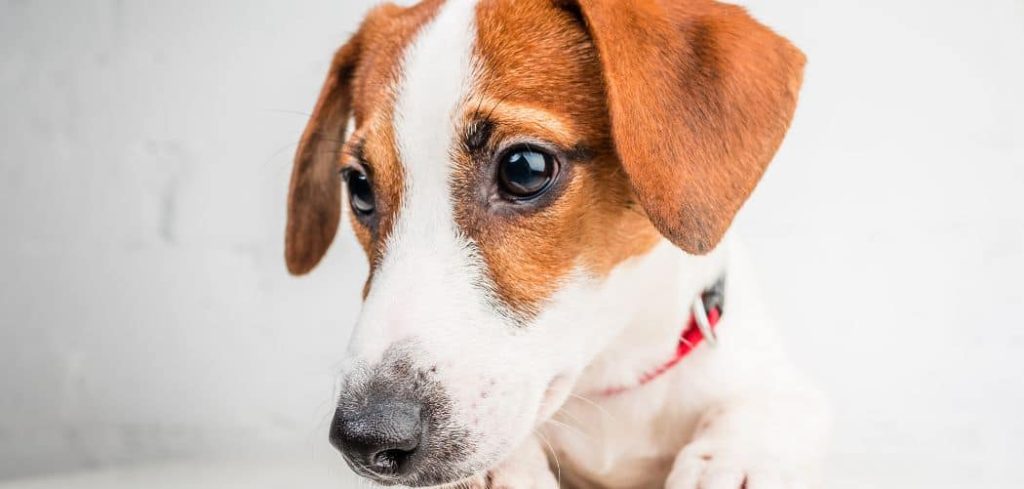
A dog may also experience:
Vomiting immediately after drinking
Excessive thirst
Loss of appetite
Lethargy
Diarrhea
Abdominal discomfort
Regurgitation of water or food
Signs of dehydration
Dog Being Sick After Drinking Water: Common Causes
Drinking Too Quickly
One of the most common reasons dogs vomit after drinking is simply drinking too much water too quickly.
Rapid drinking can overfill the stomach and trigger vomiting, especially after exercise or hot weather.
Most dogs recover immediately afterward and continue acting normally. Offering smaller amounts of water more frequently can often prevent future episodes.
Gastritis
Inflammation of the stomach lining can make the stomach more sensitive, causing vomiting after food or water is consumed.
Gastritis may develop because of dietary indiscretion, infections, medications, toxins, or sudden diet changes. Dogs may also lose their appetite or develop diarrhea.
Read more: Dog vomiting undigested food hours later (Why it happens)
Intestinal Obstruction
A foreign object lodged in the stomach or intestines can prevent food and fluids from passing normally through the digestive tract.
Dogs often vomit shortly after eating or drinking and may develop abdominal pain, bloating, lethargy, and little or no stool production. Intestinal obstruction is a medical emergency.
Megaesophagus
Megaesophagus is a condition in which the esophagus becomes enlarged and loses its ability to move food and water into the stomach effectively. Instead of true vomiting, many dogs regurgitate water shortly after drinking.
Affected dogs often regurgitate undigested food or water without retching and may lose weight or develop aspiration pneumonia if fluid enters the lungs.
Read more: Dog suddenly vomiting white foam (What it means)
Kidney Disease
Dogs with kidney disease often drink more water because their kidneys cannot concentrate urine effectively.
Drinking large amounts may trigger vomiting, particularly as toxins accumulate in the bloodstream.
Additional signs include increased urination, weight loss, bad breath, poor appetite, and lethargy.
Heat Exhaustion or Overheating
Dogs that become overheated often drink large amounts of water very quickly. This sudden intake, combined with nausea from overheating, may lead to vomiting.
Excessive panting, drooling, weakness, and collapse are warning signs that require prompt veterinary attention.
Pancreatitis
Pancreatitis causes inflammation of the pancreas and frequently results in nausea. Even drinking water may trigger vomiting when the stomach is already irritated.
Affected dogs commonly refuse food, become lethargic, develop abdominal pain, and may require hospitalization.
Esophageal or Throat Disorders
Inflammation, injury, or narrowing of the esophagus or throat can make swallowing difficult and cause water to be regurgitated or vomited shortly after drinking.
Dogs may cough, gag, swallow repeatedly, or appear uncomfortable while drinking. A veterinary examination is needed to identify the underlying problem.
Read more: Dog Being Sick in Hot Weather (Causes and what to do)
Dog Being Sick After Drinking Water: What to Do
If your dog vomits after drinking water once but otherwise seems bright and alert, monitor them closely.
Offer small amounts of water every 15 to 30 minutes instead of allowing them to drink a large volume all at once.
Watch for additional symptoms such as vomiting after every drink, diarrhea, loss of appetite, abdominal pain, or lethargy.
Also note whether your dog is truly vomiting with retching or simply regurgitating water without effort, as this distinction can help your veterinarian determine the cause.
If your dog repeatedly vomits after drinking or cannot keep water down, seek veterinary care promptly to prevent dehydration.
Do not withhold water for long periods or give human anti-nausea medications unless instructed by your veterinarian.
When to Call or Visit the Vet
Repeated vomiting after drinking water should always be evaluated by a veterinarian.
Schedule an appointment if you notice:
Vomiting after drinking on more than one occasion
Excessive thirst
Reduced appetite
Mild lethargy
Mild diarrhea
Regurgitation of food or water
Weight loss
Recurring vomiting
Seek emergency veterinary attention immediately if your dog develops:
Inability to keep water down
Repeated vomiting
Severe abdominal pain
Collapse or extreme weakness
Signs of dehydration
Suspected intestinal obstruction
Difficulty breathing or coughing after regurgitation
Blood in the vomit
Dog Being Sick After Drinking Water: Treatment
If a dog repeatedly becomes sick immediately after drinking water, veterinary treatment should focus on determining why the dog cannot tolerate fluids and whether dehydration is developing.
The veterinarian may assess the mouth, throat, abdomen, hydration status, and gastrointestinal system and may recommend blood tests or imaging.
Treatment can include anti-nausea medication, fluid therapy, electrolyte replacement, and medication directed at the underlying condition.
If the dog cannot keep water down, intravenous fluids may be necessary to maintain hydration while treatment is provided.
Recovery and Monitoring
Dogs that simply drink too quickly often improve with changes to how water is offered, while conditions such as pancreatitis, megaesophagus, kidney disease, or intestinal obstruction require ongoing treatment.
Monitor your dog’s water intake, appetite, energy level, body weight, and whether vomiting occurs after drinking.
Give all prescribed medications exactly as directed and attend follow-up appointments recommended by your veterinarian.
Contact your veterinarian if your dog continues vomiting after drinking water, refuses food, becomes lethargic, develops coughing after drinking, or shows signs of dehydration.
Key Takeaway
A dog being sick after drinking water commonly results from drinking too quickly, gastritis, intestinal obstruction, megaesophagus, kidney disease, heat exhaustion, pancreatitis, or esophageal disorders.
While a single episode after gulping water may not be serious, repeated vomiting or an inability to keep water down should always be investigated by a veterinarian.
Early diagnosis can identify the underlying cause, prevent dehydration, and reduce the risk of serious complications.
If your dog repeatedly vomits after drinking, develops severe abdominal pain, collapses, coughs after regurgitating water, cannot keep fluids down, or shows signs of dehydration, seek emergency veterinary care immediately.


