
Watching your dog struggle to stand or noticing that their back legs seem weak can be frightening.
Some dogs begin wobbling gradually over weeks or months, while others suddenly have difficulty walking or supporting their weight.
Hind leg weakness is not a disease itself but rather a sign that something is affecting your dog’s muscles, joints, nerves, or spine.
Table of Contents
Dog Back Legs Weak: Why It Happens
A dog with weak back legs may have arthritis, hip dysplasia, a spinal condition, muscle loss, degenerative myelopathy, or another orthopedic or neurological disorder.
The weakness may affect one or both hind legs and can range from mild difficulty standing to complete inability to walk.
Although aging contributes to some cases, persistent or sudden hind leg weakness should never be considered a normal part of getting older.
While some causes are manageable with long-term treatment, others require urgent veterinary attention.
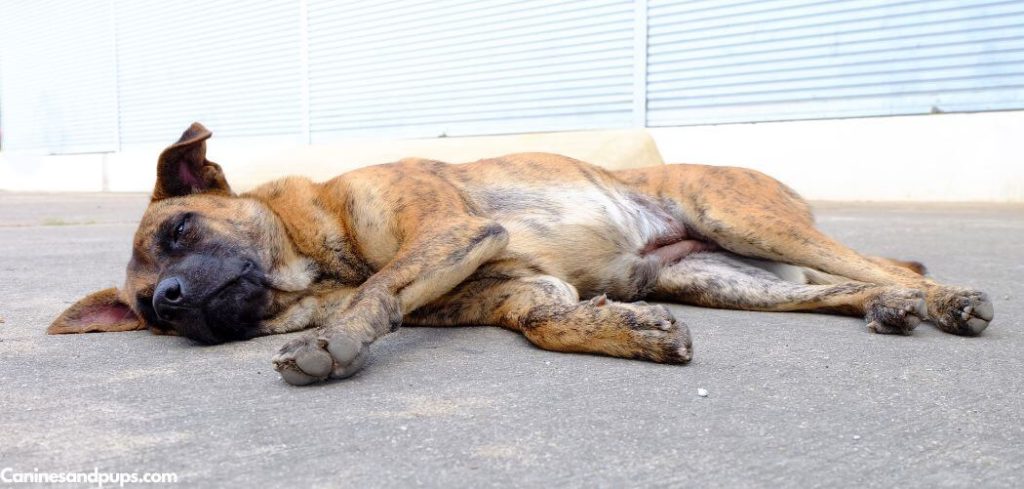
Depending on the underlying cause, your dog may show several additional signs:
Difficulty standing up
Wobbling or swaying while walking
Back legs slipping on smooth floors
Dragging the back paws or toes
Difficulty climbing stairs
Reluctance to jump or run
Muscle loss in the hindquarters
Falling or stumbling
Dog Back Legs Weak: Common Causes
Arthritis
Arthritis is one of the most common causes of weak back legs, especially in middle-aged and senior dogs.
As the cartilage that cushions the joints gradually wears away, inflammation and pain develop, making it difficult for dogs to push themselves up or walk normally.
Over time, many dogs begin using their hind legs less because movement hurts, which leads to further muscle loss and weakness.
Owners often notice that their dog struggles to rise after sleeping, hesitates before climbing stairs, or takes shorter, slower walks than they once did.
Cold weather and increased activity frequently make the weakness more noticeable.
Although arthritis cannot be reversed, early treatment with prescription pain medication, weight management, physical rehabilitation, and joint-support therapies can greatly improve mobility and slow progression.
Read more: Dog Suddenly Not Using Back Legs (Causes and treatment)
Hip Dysplasia
Hip dysplasia is a developmental disorder in which the hip joint does not fit together properly.
The abnormal movement inside the joint gradually damages cartilage, causing pain, instability, and eventually arthritis.
Large and giant breeds are most commonly affected, but smaller breeds can also develop the condition.
Dogs with hip dysplasia often have difficulty supporting themselves with their back legs, especially after exercise or long periods of rest.
Many develop a bunny-hopping gait while running, struggle to jump into the car, or sit with one leg extended to the side because it feels more comfortable.
As the disease progresses, muscle loss over the hindquarters becomes more noticeable.
Depending on the severity, treatment may include medication, rehabilitation, weight management, or surgery.
Muscle Loss Due to Aging
As dogs age, they naturally lose muscle mass, particularly in the hind limbs.
This process, sometimes called age-related muscle atrophy, reduces strength and endurance, making everyday activities more challenging.
Even healthy senior dogs may have weaker back legs simply because they have lost muscle over time.
One may notice their dog taking longer to stand, tiring more quickly during walks, or needing help getting into the car.
Unlike arthritis, muscle loss may not always be associated with obvious pain, although the two conditions often occur together.
Regular low-impact exercise, a balanced diet, and rehabilitation exercises recommended by your veterinarian can help preserve muscle strength for as long as possible.
Degenerative Myelopathy
Degenerative myelopathy is a progressive disease of the spinal cord that primarily affects older dogs.
As the disease damages the nerves controlling the hind limbs, dogs gradually lose coordination and strength in their back legs.
Unlike arthritis, degenerative myelopathy is usually not painful, but the weakness steadily worsens over time.
Early signs include dragging the back toes, worn toenails from scuffing, crossing of the hind legs, and slipping on smooth floors.
As the condition progresses, dogs may struggle to stand without assistance and eventually lose the ability to walk.
Although there is currently no cure, physical therapy, supportive care, and mobility aids can help maintain independence for as long as possible.
Related: Dog not putting weight on back leg (Here’s why)
Intervertebral Disc Disease (IVDD)
Intervertebral disc disease occurs when one or more discs between the vertebrae bulge or rupture, putting pressure on the spinal cord.
This pressure interferes with nerve signals traveling to the hind legs, resulting in weakness, pain, or paralysis depending on the severity.
Some dogs suddenly cry out, refuse to jump, or develop weakness after an ordinary movement, while others show a gradual decline over several days.
Additional signs may include dragging the back feet, wobbling, reluctance to move, or loss of bladder and bowel control in severe cases.
IVDD often requires immediate veterinary attention because early treatment significantly improves the chances of recovery.
Cranial Cruciate Ligament (CCL) Injury
A torn cranial cruciate ligament is one of the most common orthopedic injuries affecting the hind legs.
The ligament stabilizes the knee joint, and when it tears, the joint becomes unstable and painful every time the dog places weight on the leg.
Initially, dogs often limp on one hind leg, but over time they may appear generally weak in the back end because they shift their weight unevenly and lose muscle in the affected limb.
Many dogs also develop arthritis if the injury is not treated.
Complete tears frequently require surgery followed by several weeks of rehabilitation.
Neurological Disorders
A variety of neurological conditions affecting the brain, spinal cord, or peripheral nerves can cause weakness in the hind legs.
These disorders interfere with the normal communication between the brain and muscles, making coordinated movement difficult.
Depending on the specific condition, dogs may wobble, stumble, drag their paws, knuckle over on their toes, or lose balance while walking.
Some neurological diseases progress slowly, while others appear suddenly and require emergency treatment. A thorough neurological examination is essential to identify the cause.
Obesity
Excess body weight places significant strain on the hips, knees, spine, and muscles, making it more difficult for dogs to support themselves with their back legs.
Overweight dogs often become less active because movement is uncomfortable, which leads to further muscle loss and worsening weakness.
Owners may notice their dog becoming tired quickly, struggling to stand after lying down, or avoiding stairs and exercise.
Weight loss through a veterinarian-approved nutrition and exercise program can significantly improve mobility and reduce stress on the joints, particularly in dogs with arthritis or hip dysplasia.
Related: Dog back legs suddenly collapsing (Here’s why)
What to Do
If your dog’s back legs seem weak, reduce strenuous activity until your veterinarian identifies the underlying cause.
Avoid running, jumping, or climbing stairs whenever possible, as these activities can worsen many orthopedic and spinal conditions.
Provide your dog with a soft, supportive bed in an easily accessible location.
Non-slip rugs or rubber mats on hardwood or tile floors can help improve traction and reduce the risk of falls.
If your dog struggles to stand, a support harness or towel placed beneath the abdomen can provide extra stability during short walks outside.
Monitor when the weakness occurs and whether it is getting worse.
Note whether one leg is weaker than the other, whether your dog drags their toes, or if the weakness appears after exercise or rest. Recording a video of your dog’s gait can be extremely helpful during your veterinary appointment.
Keep your dog at a healthy body weight and follow your veterinarian’s recommendations regarding gentle exercise.
Controlled leash walks and physical rehabilitation are often beneficial once a diagnosis has been made.
Never give human pain medications such as ibuprofen, naproxen, or acetaminophen, as these drugs can be toxic to dogs.
When to Call or Visit the Vet
Hind leg weakness should always be evaluated, especially if it develops suddenly or continues to worsen.
Schedule an appointment if you notice:
Gradually worsening weakness in the back legs
Difficulty standing after resting
Trouble climbing stairs
Slipping on smooth floors
Dragging the back paws
Muscle loss over the hindquarters
Reduced willingness to exercise
Occasional stumbling
Seek emergency veterinary attention immediately if your dog develops:
Sudden inability to stand
Complete loss of use of the back legs
Loss of bladder or bowel control
Severe back pain or continuous crying
Collapse
Rapidly worsening weakness
Obvious trauma such as being hit by a vehicle
Difficulty breathing along with weakness
Dog Back Legs Weak: Treatment
Veterinary treatment for a dog with weak back legs begins with a physical and neurological examination to determine the severity and location of the problem.
The veterinarian may recommend blood and urine tests, X-rays, or advanced imaging such as an MRI or CT scan depending on the examination findings.
Treatment may include prescription pain relief, anti-inflammatory medication, joint-support medication, physical rehabilitation, or other targeted therapy.
Some orthopedic or spinal conditions may require surgery or referral to a veterinary neurologist or orthopedic specialist.
Recovery and Monitoring
Recovery varies according to the underlying cause. Mild orthopedic conditions may improve with medication and physical therapy, while chronic diseases such as arthritis or degenerative myelopathy require ongoing management rather than a cure.
Monitor your dog’s ability to stand, walk, climb stairs, and maintain balance.
Follow your veterinarian’s instructions regarding medications, rehabilitation exercises, and follow-up appointments.
Many dogs benefit from regular physiotherapy, hydrotherapy, and controlled exercise programs designed to maintain muscle strength.
Making simple changes at home, such as adding non-slip flooring, providing ramps, and keeping your dog at a healthy weight, can significantly improve safety and quality of life.
Key Takeaway
Weak back legs in dogs are often caused by arthritis, hip dysplasia, muscle loss, degenerative myelopathy, intervertebral disc disease, cranial cruciate ligament injuries, neurological disorders, or obesity.
Although some causes develop gradually, sudden or worsening weakness should never be dismissed as a normal part of aging.
Early veterinary evaluation can identify the underlying problem and allow treatment to begin before mobility declines further.
Many conditions respond well to a combination of medication, rehabilitation, weight management, and supportive care.
If your dog is struggling to stand, dragging their back legs, or losing strength in the hind limbs, contact your veterinarian immediately.
With appropriate treatment and home modifications, many dogs continue to enjoy a comfortable, active life despite hind leg weakness.


