
Blue Heeler coughing can be alarming whether it is a hacking cough or any other type of cough. It is not pleasant to hear your dog cough especially also if accompanied by a change in breathing patterns.
Coughing is a normal natural physical reaction of getting dust or any material from the airways.
But what other factors lead to Blue Heeler coughing?
Let’s look at the common reasons why Blue Heeler coughing occurs, the potential complications, and when to seek help.
Table of Contents
Blue Heeler Coughing: Why It Happens
Common causes of Blue Heeler coughing include heart disease, tracheal collapse, sore throat, lung problems, kennel cough, distemper, canine influenza, cancer, heartworms, allergies, and foreign objects in the throat.
Occasional coughs are normal but frequent coughs are a sign of an underlying problem.
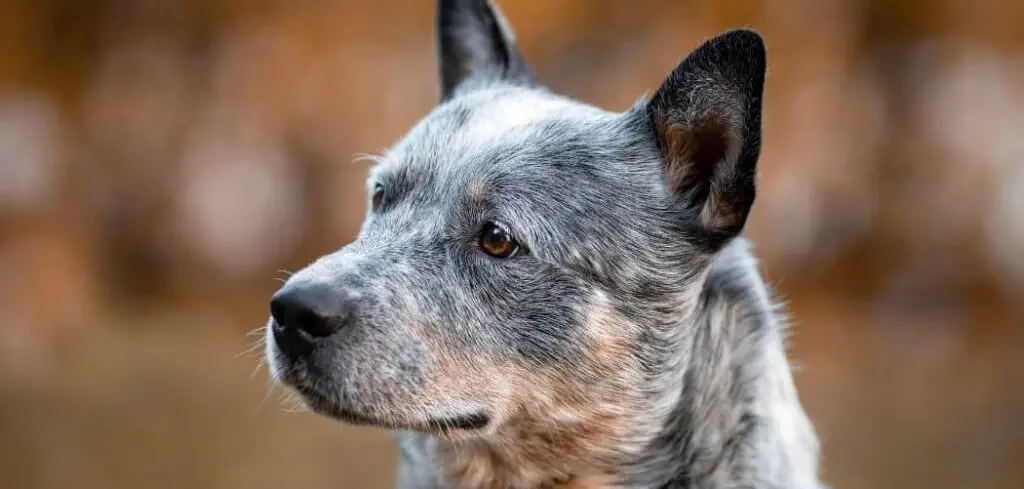
Do Blue Heelers Have Breathing Problems?
Australian Cattle Dogs (commonly called Blue Heelers) are not a brachycephalic breed, so they do not typically have structural breathing problems like flat-faced dogs.
However, they can still develop respiratory or heart-related issues such as allergies, infections, bronchitis, or exercise intolerance that affect breathing.
Because they are highly active working dogs, breathing changes may become more noticeable during exercise, heat, or excitement.
Persistent heavy breathing, coughing, or reduced stamina should be evaluated to rule out underlying disease.
Blue Heeler Coughing a Lot But Acting Normal
A Blue Heeler that coughs frequently but still acts normal may have a mild respiratory irritation that has not yet affected overall health.
This is often seen with early kennel cough, mild allergies, throat irritation, or environmental triggers such as dust or smoke. The dog may still eat, play, and behave normally between coughing episodes.
However, persistent coughing should not be ignored even if the dog seems fine otherwise.
Ongoing irritation can worsen over time or indicate early heart or lung disease. If coughing lasts more than a few days or becomes more frequent, a veterinary check is required.
Blue Heeler Coughing: Common Causes
Heart disease
Heart disease causes rapid breathing and coughing, among other symptoms. It is common in older Blue Heelers.
If your Blue Heeler has been diagnosed with heart disease, they may cough when resting, lying down, or sleeping, when the condition worsens.
Tracheal collapse
Tracheal collapse occurs when a Blue Heeler’s windpipe collapses and flattens which leaves a small passage for air to flow into the lungs.
The collapse occurs dues to tracheal cartilage collapse. The restricted airflow through the trachea causes a Blue Heeler to have respiratory distress, cough, and also gag when eating or drinking.
Tracheal collapse is common in middle-aged or older small breed dogs but can also occur in large breed dogs.
Respiratory infections
Respiratory infections of the airways, upper respiratory tract, and lungs caused by bacteria, viruses, or fungi, lead to coughing.
Infections such as kennel cough, sore throat, or pneumonia are common respiratory infections in Blue Heelers that lead to coughing.
Environmental allergies
Allergic bronchitis is caused by the inhalation of irritants such as dust, pollen, aerosol spays, mildew, dust mites, grain mites, or cigarette smoke.
It is a persistent inflammation of the lower respiratory tract which leads to airway swelling and constriction of airflow into the lungs.
The inflammation also causes the production of mucus in the bronchial tubes which further narrow the airway.
Blue Heelers with bronchitis have a dry hacking cough that worsens during exercise or when overexcited.
Scarring of the airways can also occur and further weaken the bronchi membrane, which leads to wheezing and coughing.
Ingestion of foreign objects
Blue Heelers can ingest foreign objects which leads to obstruction of the throat, which causes gagging and coughing.
Foreign objects that can be ingested include sticks, broken toys, small balls, or bones, which block a dog’s throat.
Other conditions that are less common but cause Blue Heeler coughing include laryngeal (windpipe) paralysis, canine influenza, distemper, heartworm disease, and lung cancer.
Blue Heeler Dry Cough
A dry cough in a Blue Heeler often sounds harsh and non-productive, meaning nothing is brought up. It is commonly associated with kennel cough, airway irritation, allergies, or inflammation of the trachea.
Some dogs cough more when pulling on a leash or after physical activity.
While occasional coughing may be mild, a persistent dry cough should be checked by a veterinarian.
Ongoing irritation can worsen over time or indicate deeper respiratory or cardiac issues.
Blue heeler Hacking Cough
A hacking cough in a Blue Heeler often sounds like repeated attempts to clear the throat. This may be caused by kennel cough, mucus buildup, chronic bronchitis, or irritation in the upper airway. Dogs may also retch or gag after coughing fits.
If the hacking cough is frequent, worsening, or accompanied by lethargy, fever, or breathing changes, veterinary care is needed.
Persistent coughing can sometimes indicate more serious respiratory disease.
Blue Heeler Coughing Up Mucus
A Blue Heeler coughing up mucus usually indicates irritation or infection in the respiratory tract.
Mucus production commonly happens when the airways are inflamed due to kennel cough, respiratory infections, allergies, or chronic bronchitis. The mucus may be clear, white, or slightly yellow, depending on the severity and cause.
If mucus coughing is frequent or thick, it may suggest a deeper infection affecting the lungs or bronchi.
Veterinary evaluation is important if the dog also shows lethargy, fever, reduced appetite, or difficulty breathing.
Blue Heeler Coughing at Night
Nighttime coughing in a Blue Heeler may become more noticeable when the dog is lying down, and airflow is affected. Conditions such as respiratory infections, chronic bronchitis, allergies, or heart disease can all worsen coughing at night.
If the dog also struggles to sleep, breathes heavily while resting, or coughs frequently during the night, a veterinary examination is important.
Night coughing that persists or worsens should always be investigated to rule out chronic or progressive disease.
Complications
Blue Heeler coughing can be an indication of a serious underlying problem that might worsen and become fatal if left untreated.
Heart disease, infections, tracheal collapse, cancer, and obstruction of the throat are all serious conditions that deteriorate a Blue Heeler’s health. They are also life-threatening.
Early diagnosis and treatment of these ailments prevent the fatal outcomes, therefore it is important to have your dog examined to determine the cause of the coughing.
When to Call or Visit Your Vet
Occasional Blue Heeler coughing is common and normal, especially after eating or drinking too quickly, or as a response to an irritation in the throat. Recurrent coughs are however a cause of concern and require medical attention.
First, check if the coughing is due to an ingested foreign object that obstructs the throat. If there is an object, immediately seek medical attention.
Contact your veterinarian when your Blue Heeler’s cough lasts for more than a week and also when other symptoms of illness are present, or if your dog also has a preexisting health condition.
When coughing prolongs and also shows up with other symptoms of illness such as wheezing, drooling, weakness, dry heaving, or difficulty in breathing it means there is an underlying problem.
You can also take a video recording of your Blue Heeler when coughing to provide it to your veterinarian to show what your dog was experiencing.
Blue Heeler Coughing: Treatment
During your dog’s checkup, the veterinarian will conduct a physical exam and also ask you questions about your dog’s symptoms to help in the diagnosis.
The questions asked include:
- The sound of the cough, that is, whether the cough was a dry hacking cough or a productive/ wet cough
- The progression of the cough ( if the cough was worsening)
- The duration of the cough (how long the cough has been experienced)
Treatment for coughing in a Blue Heeler depends on the underlying cause identified by a veterinarian.
Mild cases such as kennel cough or minor airway irritation may be managed with rest, reduced exercise, and sometimes cough suppressants or anti-inflammatory medication.
If an infection is present, antibiotics or other targeted medications may be prescribed. Chronic conditions like bronchitis or heart-related coughing may require long-term management, including respiratory support or heart medication.
Avoiding irritants like smoke and using a harness instead of a collar can also help reduce coughing episodes.
Early treatment helps prevent worsening of symptoms and improves recovery.
Key Takeaway
Blue Heeler coughing can be very alarming. Most often it does not need medical attention when it is caused by eating or drinking too quickly but it can also be due to an underlying health condition.
Coughing can be caused by different factors but it is important to have your Blue Heeler examined to check for the cause.
Early detection of ailments can save a Blue Heeler’s life by preventing their condition from worsening. Immediately seek medical attention when your Blue Heeler has coughs that last for a long time or they present other symptoms of illness.


