
Seeing yellow mucus in an old dog’s poop can be concerning, especially when changes in bowel movements become more noticeable as a dog gets older.
Mucus may appear as a slimy coating, streaks, or jelly-like material on the outside of the stool, and its color can range from pale yellow to a more noticeable yellow-green.
A small amount of mucus does not always mean that something serious is wrong, but the significance depends on how much mucus is present, how often it occurs, what the stool looks like, and whether your senior dog has other symptoms.
Changes in appetite, energy, weight, bowel habits, or comfort can provide important context.
Understanding what yellow mucus can mean can help you decide when it is reasonable to monitor the change and when your older dog should be examined.
Table of Contents
Yellow Mucus in Old Dog Poop: Why It Happens
Yellow mucus in old dog poop happens when the intestinal lining produces extra mucus, which can become visible as a coating or strands on the stool.
This can occur when the colon is irritated or inflamed, although the mucus itself does not identify the underlying problem.
In an older dog, persistent or recurring mucus deserves more attention because digestive problems, infections, dietary issues, inflammatory conditions, and other disorders can all affect bowel movements.
The presence of mucus should therefore be considered alongside your dog’s overall health and other changes.
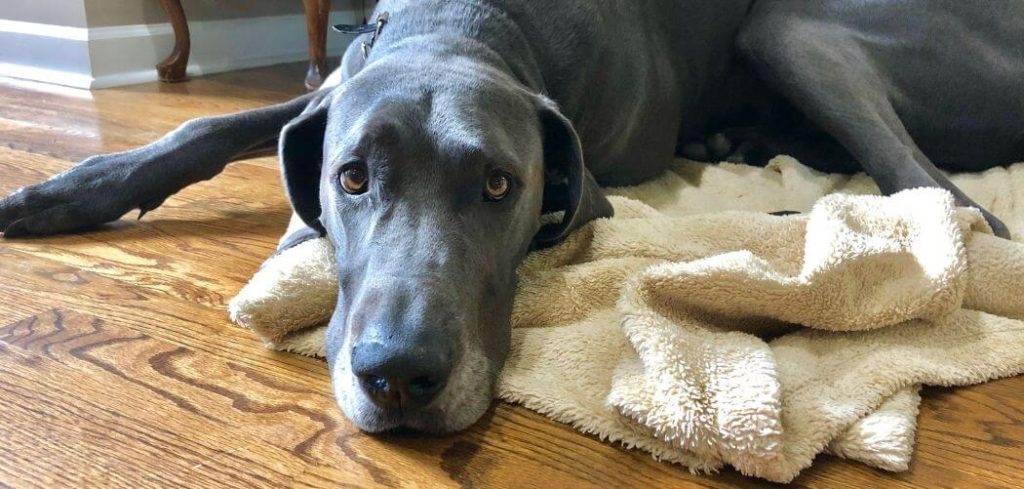
Yellow Mucus in Old Dog Poop: Common Causes
Colitis
Colitis, or inflammation of the colon, is one of the most common reasons a dog may pass visible mucus in the stool.
When the colon becomes irritated, it can produce additional mucus that appears on the outside of the poop.
A dog with colitis may also have frequent bowel movements, urgency, straining, small amounts of stool, diarrhea, or occasional blood.
Some dogs remain fairly bright and continue eating normally, particularly when the inflammation is mild.
Colitis can have many triggers, so recurring mucus should not automatically be attributed to a single cause.
Related: Old dog constant diarrhea (Causes and when to worry)
Sudden Dietary Change
A change in food can temporarily disrupt the digestive system and lead to mucus in the stool.
This may happen after switching diets quickly, introducing new treats, giving table scraps, or allowing a dog to eat something unusual.
Older dogs may also have more difficulty tolerating dietary changes than they did earlier in life.
If the mucus began shortly after a food change, the timing can be useful information for your veterinarian.
Dietary Intolerance
Some dogs develop digestive sensitivity to particular ingredients. A dietary intolerance can cause recurring soft stools, diarrhea, increased bowel movements, or mucus.
If yellow mucus repeatedly appears after eating certain foods, a veterinarian may consider dietary intolerance among the possibilities.
However, recurring digestive symptoms should not be assumed to be a food intolerance without evaluating other potential causes.
Intestinal Parasites
Parasites can irritate the intestinal tract and cause mucus in the stool. Depending on the parasite involved, dogs may also develop diarrhea, changes in appetite, weight loss, vomiting, or other digestive symptoms.
An older dog can still develop intestinal parasites, so age does not rule them out. A fecal examination can help determine whether parasites or other infectious organisms are contributing to the problem.
Bacterial or Other Gastrointestinal Infection
Certain gastrointestinal infections can cause inflammation of the intestinal lining and result in mucus-covered stool. Diarrhea, abdominal discomfort, reduced appetite, vomiting, or lethargy may occur at the same time.
The severity can vary considerably, so a dog that appears only mildly affected may have a different situation from one that is becoming dehydrated or weak.
Stress-Related Digestive Upset
Stress can affect intestinal function in some dogs and may contribute to temporary colitis and mucus in the stool. Changes in routine, boarding, travel, household changes, or other stressful events can sometimes coincide with digestive changes.
However, stress should not automatically be blamed for persistent mucus in an older dog, particularly when there are additional symptoms.
Related: Old dog diarrhea and blood (Causes and treatment)
Inflammatory Bowel Disease
Chronic inflammation of the gastrointestinal tract can cause recurring digestive symptoms, including mucus in the stool.
Dogs may also have chronic or intermittent diarrhea, vomiting, appetite changes, or weight loss.
If mucus continues to recur despite basic dietary or environmental changes, your veterinarian may investigate chronic intestinal inflammation or other gastrointestinal disorders.
Anal Gland Problems
Anal gland problems can sometimes contribute to mucus or unusual material around the stool.
Dogs with anal gland discomfort may scoot, lick the area around the anus, strain during bowel movements, or seem uncomfortable when defecating.
Because material around the stool can sometimes be mistaken for intestinal mucus, an examination can help determine where the discharge is coming from.
Pancreatic or Digestive Disorders
Problems involving digestion can alter stool consistency and bowel habits. Certain pancreatic disorders can cause chronic digestive changes, weight loss, increased appetite in some dogs, or unusually bulky or abnormal stools.
Yellow mucus by itself does not establish that the pancreas is involved, but persistent stool changes in a senior dog may warrant broader digestive testing if other signs are present.
Liver or Gallbladder Disease
The liver and gallbladder play important roles in digestion and bile metabolism. Disorders affecting these organs can sometimes cause changes in stool appearance, appetite, digestion, or overall health.
A yellow appearance in mucus should not automatically be interpreted as a liver or gallbladder problem.
Other clinical signs and diagnostic testing are needed to determine whether these organs are involved.
Intestinal Polyps, Masses, or Other Structural Problems
Older dogs can develop intestinal growths or other structural abnormalities that affect bowel movements.
These are not the most common explanation for a small amount of occasional mucus, but they become more important to consider when mucus is persistent, worsening, or accompanied by weight loss, recurrent diarrhea, blood in the stool, appetite changes, or other ongoing digestive problems.
A veterinarian may recommend imaging or additional testing if the symptoms suggest something beyond uncomplicated intestinal irritation.
Yellow Mucus in Old Dog Poop but Acting Normal
An old dog can have yellow mucus in its poop while continuing to eat, play, and behave normally. A small, occasional amount of mucus may occur with temporary intestinal irritation and may not be accompanied by obvious changes in behavior.
However, acting normal does not completely rule out an underlying gastrointestinal problem. If the mucus keeps appearing, becomes more abundant, or occurs alongside changes in stool consistency or frequency, it is worth discussing with your veterinarian.
Related: Dog pooping bloody mucus but acting normal (Here’s why)
Yellow Mucus in Old Dog Poop With Diarrhea
Yellow mucus accompanied by diarrhea often points toward irritation or inflammation of the lower intestinal tract, although several conditions can produce this combination.
Pay attention to how frequently your dog is passing stool, whether there is blood, whether your dog is drinking normally, and whether appetite and energy have changed. Persistent diarrhea is particularly important in an older dog because dehydration and other complications can develop more easily when digestive upset continues.
Yellow Mucus in Old Dog Poop With Blood
Mucus and small amounts of fresh red blood can occur together when the colon is inflamed or irritated. This can happen with colitis and other gastrointestinal problems.
Blood in the stool should not automatically be assumed to be harmless, particularly in a senior dog. If there is a substantial amount of blood, black or tarry stool, repeated bloody diarrhea, weakness, vomiting, or other concerning symptoms, veterinary attention is needed promptly.
When to Call or Visit the Vet
Contact your veterinarian if yellow mucus keeps appearing, becomes more frequent, or occurs with other changes in your old dog’s health. Arrange immediate veterinary care if your dog has:
Persistent or severe diarrhea
Repeated vomiting
Blood in the stool or black, tarry stool
Loss of appetite or refusal to eat
Unexplained weight loss
Marked lethargy or weakness
Signs of abdominal pain or significant discomfort
Straining repeatedly without producing normal stool
A major change in drinking or urination
Pale gums, collapse, or severe weakness
Symptoms that are worsening rather than improving
For a senior dog, recurring digestive changes deserve particular attention because persistent bowel symptoms can sometimes be an early indication of a condition that needs treatment.
Yellow Mucus in Old Dog Poop: Treatment
Treatment depends on the underlying cause rather than the color of the mucus itself.
The veterinarian may perform a physical and abdominal examination and recommend fecal testing, blood tests, urinalysis, dietary evaluation, or abdominal X-rays or ultrasound depending on the symptoms and the dog’s age and history.
Treatment may involve addressing dietary or intestinal inflammation, parasites, infection, or another diagnosed condition.
Key Takeaway
Yellow mucus in an old dog’s poop usually means that extra mucus is being produced by the intestinal tract, often in response to irritation or inflammation.
Temporary digestive upset, dietary changes, colitis, parasites, infections, and chronic gastrointestinal conditions can all be possibilities.
An occasional small amount of mucus in an otherwise healthy-appearing dog is different from mucus that keeps returning or occurs with diarrhea, blood, vomiting, weight loss, appetite changes, or lethargy.
In an older dog, persistent changes in bowel movements are worth discussing with a veterinarian.
The color of the mucus alone cannot tell you what is wrong. If your senior dog’s stool changes continue or other symptoms develop, veterinary evaluation can help identify the cause and determine whether treatment is needed.


