
Noticing a lump, bump, or swelling on your dog after a vaccination can be alarming, especially when it appears suddenly or grows quickly.
While many post-vaccine reactions are mild, some types of swelling can signal inflammation or a more serious immune response that should not be ignored.
In this guide, we explain this possible vaccine reaction happens, what to do and when to contact your veterinarian or an emergency clinic immediately.
Table of Contents
Swelling on Dog After Vaccine: Why It Happens
Swelling on a dog after a vaccine happens because the immune system reacts to the injection and the substances inside it, creating inflammation, fluid buildup, or immune cell activation at the injection site or throughout the body.
In many dogs this reaction is mild and temporary, but some dogs develop stronger immune responses that lead to noticeable lumps, facial swelling, or generalized puffiness.
Rarely, the immune system can overreact and trigger allergic or inflammatory reactions that require medical care. The location, size, and behavior of the swelling help determine how serious it is.
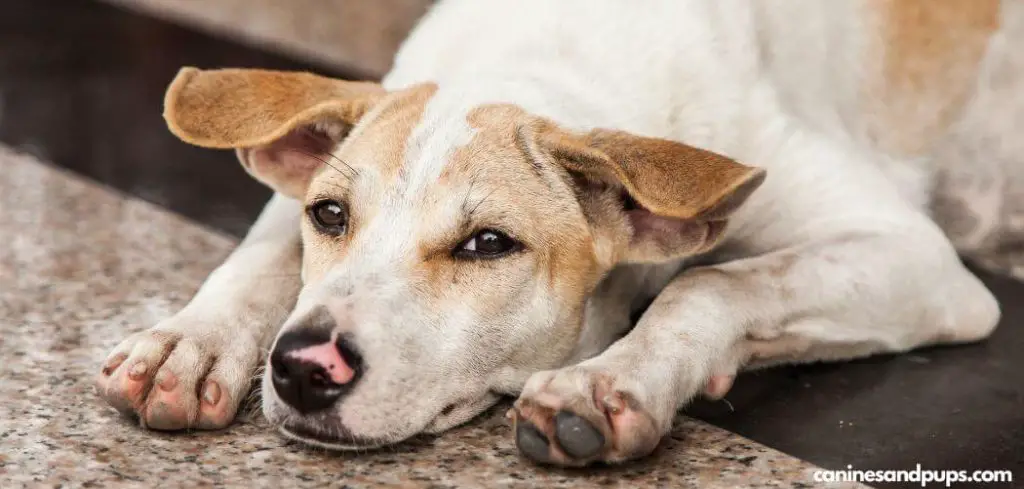
Normal Injection Site Swelling
Mild swelling at the injection site after a vaccine is a normal immune response. It usually appears as a small, localized bump where the shot was given and may feel slightly firm or tender.
This happens because the body is reacting to the vaccine and building immunity, which can cause temporary inflammation in the tissue.
In most cases, the swelling is small, does not spread, and does not significantly affect the dog’s behavior. The dog may still eat, drink, and act normally.
How Long Does Swelling Last After a Dog Vaccine?
Mild swelling after a dog vaccine typically lasts a few days up to one week. In some cases, a small lump may take up to two weeks to fully disappear as the immune response settles. The size should gradually reduce over time rather than grow larger.
If swelling persists beyond two weeks, becomes painful, or increases in size, it should be checked by a veterinarian to rule out infection or other complications.
What does a Bad Reaction to a Vaccine Look Like in Dogs?
A bad vaccine reaction can include facial swelling, hives, vomiting, diarrhea, collapse, severe lethargy, difficulty breathing, or intense itching.
These signs often indicate an allergic reaction and may develop within minutes to hours after vaccination.
Severe reactions are medical emergencies and require immediate veterinary attention, as they can progress quickly and become life-threatening.
Read more: Dog side effects after vaccines (Possible reactions explained)
Swelling on Dog After Vaccine: Common Causes
Normal Injection Site Inflammation
After a vaccine is injected, the immune system immediately sends white blood cells to the area to recognize and respond to the vaccine antigens. This creates a small pocket of inflammation that feels like a firm or soft lump under the skin.
Many dogs develop a pea- to grape-sized swelling where the shot was given, often on the shoulder or hip. It may be warm or slightly tender but usually does not bother the dog much.
This type of swelling is not dangerous and often fades over a few days to a few weeks, but it should slowly shrink rather than grow.
Related: Dog diarrhea after vaccines (Why it happens)
Immune System Activation Lump
Some dogs form a more pronounced lump because their immune system builds a localized immune response around the vaccine material. This causes immune cells and fluid to cluster together under the skin.
You may notice the lump feels rubbery or firm and remains for weeks after the shot. The dog otherwise seems normal.
These lumps are usually benign, but they should be monitored because very rarely persistent immune-mediated lumps can turn into inflammatory growths.
Allergic Reaction
When a dog is sensitive to one of the vaccine ingredients, their immune system can release histamine and inflammatory chemicals that cause swelling in multiple areas.
Swelling may appear around the face, muzzle, eyes, lips, or ears. Some dogs also develop hives, itchiness, vomiting, or lethargy.
This is serious because allergic reactions can worsen quickly and may progress to breathing difficulty or collapse if untreated.
Injection Related Fluid Pocket
Sometimes a small pocket of sterile fluid forms under the skin if the injection irritates tissue or if fluid leaks into surrounding layers.
This swelling feels soft and squishy and may shift slightly when touched. It is usually painless.
These fluid pockets usually resolve on their own but should be checked if they persist or become painful.
Vaccine Triggered Inflammatory Response
Some dogs develop a more intense inflammatory response that causes broader swelling, stiffness, fever, and fatigue.
You may notice your dog is sore, slow to move, or unusually sleepy along with visible swelling.
This matters because inflammation throughout the body can stress the immune system and worsen underlying health problems.
Injection Site Infection
Although rare, bacteria can enter the skin during injection and cause a localized infection or abscess.
The swelling may become hot, red, painful, or start oozing fluid. The dog may feel unwell or develop a fever.
This is serious because infections require antibiotics or drainage to prevent spreading.
Large lump on Dog After Vaccine
A large lump after vaccination may occur due to a stronger localized immune response or irritation at the injection site.
While some swelling is normal, a large lump may indicate excessive inflammation, vaccine reaction, or, rarely, infection.
If the lump does not shrink over time or continues to grow, veterinary evaluation is needed to ensure it is not a more serious condition.
Hard lump on Dog After Vaccine
A hard lump after a vaccine is usually caused by localized inflammation or tissue reaction to the injection. The body may form firm tissue as part of the healing process. In most cases, these lumps slowly soften and shrink over time.
However, a hard lump that persists, grows, or becomes painful should be examined by a vet to rule out abscess formation or other complications.
Soft lump on Dog After Vaccination
A soft lump after vaccination is commonly a mild fluid or inflammatory buildup under the skin. It is usually harmless and may feel squishy or movable.
This type of swelling often resolves on its own within days to weeks.
If the soft lump becomes larger, changes texture, or does not improve over time, it should be checked to ensure proper healing.
Lump On Dog 2 Weeks After Vaccine
A lump that remains two weeks after vaccination may still be part of the normal healing process, but it should be decreasing in size.
If it is still present without improvement, or if it is growing, firm, or painful, it may indicate a prolonged inflammatory reaction or another issue such as infection or tissue irritation.
Veterinary evaluation is required if the lump does not show clear signs of gradual improvement.
Stomach Swelling On Dog After Vaccine
Stomach swelling after vaccination is not a typical vaccine reaction and may indicate an unrelated issue such as gas buildup, digestive upset, allergic reaction, or fluid retention. In rare cases, it may be part of a more serious systemic reaction.
If abdominal swelling appears suddenly or is accompanied by vomiting, lethargy, or pain, urgent veterinary attention is required.
Facial Swelling On Dog After Vaccine
Facial swelling after a vaccine is a sign of an allergic reaction and should be treated as urgent. It may affect the muzzle, eyes, or entire face and can occur within minutes to hours after vaccination.
This type of reaction may progress to more severe symptoms, such as breathing difficulty.
Immediate veterinary care is necessary, as treatment with antihistamines or steroids may be required.
Read more: Dog face swelling after vaccine (What it means)
What to Do If Your Dog Has A Swelling After A Vaccine
If your dog has swelling after a vaccine, begin by gently observing the area without pressing or squeezing it. Small, firm lumps that are not painful and do not grow rapidly can be monitored at home.
Keep your dog calm and avoid vigorous exercise for a day or two, as movement can increase inflammation and slow healing.
You can apply a cool compress to the swollen area for a few minutes several times a day to reduce inflammation, as long as your dog tolerates it.
Watch for changes in size, heat, color, or discomfort. A lump that gets larger, becomes painful, or spreads needs veterinary evaluation.
Do not give human antihistamines or pain medications unless your veterinarian specifically instructs you to do so.
When To Worry About Swelling After A Vaccine?
Call your vet immediately if swelling appears on the face, around the eyes, or on the lips, or if your dog has trouble breathing, vomiting, or weakness after vaccination.
Seek veterinary care if the swelling is very large, rapidly growing, hot, red, or painful to the touch.
A lump that does not shrink over two to three weeks, or that continues to grow, should also be examined.
Dogs that become lethargic, stop eating, or develop a fever after vaccination should always be checked.
Swelling On Dog After Vaccine: Treatment
Treatment depends on the severity of the swelling. Mild cases usually require monitoring, rest, and allowing the immune system to resolve the reaction naturally.
Cold compresses may sometimes help reduce mild inflammation if recommended by a vet.
For more severe or persistent swelling, your veterinarian may prescribe anti-inflammatory medication, antihistamines, or antibiotics if infection is suspected.
Severe allergic reactions require immediate emergency treatment to stabilize the dog and reduce the immune response.
Key Takeaway
Swelling on a dog after a vaccine is usually a sign that the immune system is doing its job, but not all swelling is harmless.
Watching the size, location, and your dog’s overall behavior helps determine whether it is a mild reaction or something that needs medical care. When in doubt, early veterinary guidance provides the safest peace of mind.


