
A dog suddenly develop stiffness in the front legs can be worrying, especially if the dog was walking normally and then begins moving cautiously or struggling to get up.
What may be noticed includes shorter steps, reluctance to walk, or a change in the way a dog places weight on the front legs.
Because the front legs carry much of a dog’s body weight, even a relatively small problem can noticeably affect movement.
Pay attention to whether the stiffness affects one front leg or both and whether your dog also shows pain, swelling, weakness, or changes in coordination.
Table of Contents
Sudden Stiffness in Dog’s Front Legs: Why It Happens
A dog may suddenly develop stiffness in the front legs when pain or inflammation affects the paws, muscles, joints, bones, or supporting tissues, or when a problem involving the neck or nervous system changes normal movement.
A dog may appear stiff after resting, limp on one front leg, or become reluctant to move altogether.
The location and pattern of the stiffness can provide useful clues. A dog with a paw or joint problem may favor one limb, while a dog with generalized pain or a neurological problem may have difficulty using both front legs normally.
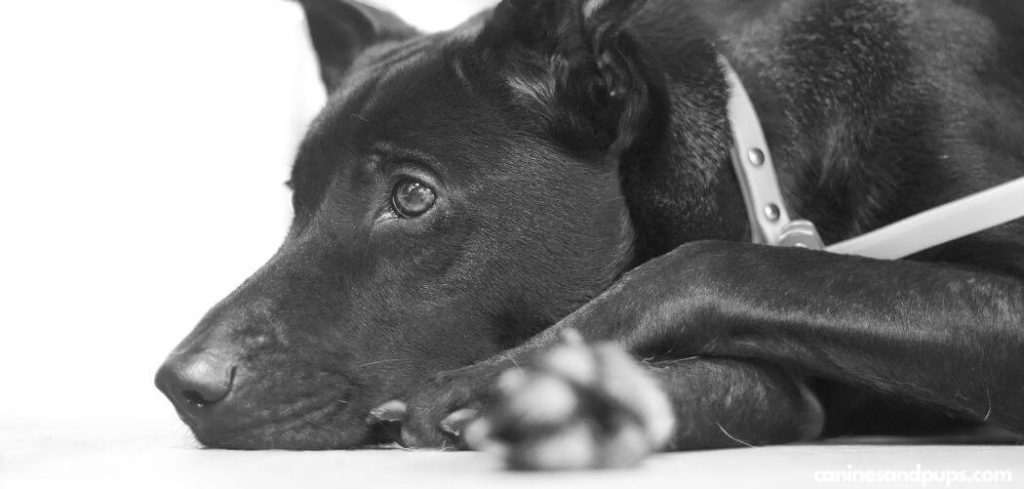
Sudden Stiffness in a Dog’s Front Legs: Symptoms
Depending on the underlying problem, other symptoms may occur at the same time, including:
Stiffness when getting up
Limping on one front leg
Short or hesitant steps
Reluctance to walk
Difficulty climbing stairs
Swelling around a joint or paw
Licking or chewing at a front leg
Weakness or an unusual gait
Sudden Stiffness in Dog’s Front Legs: Common Causes
Paw or Nail Injury
A problem with the paw can make a dog appear to have stiffness higher up the front leg.
A torn nail, irritated paw pad, thorn, splinter, or foreign material between the toes can cause sudden discomfort.
A dog may lift the paw, lick it repeatedly, or walk cautiously. You may also notice redness, swelling, or a visible injury.
If your dog allows it, gently inspect the paw and nails. Do not force the examination if your dog appears painful, and seek veterinary care if you cannot identify or safely address the problem.
Related: Dog Suddenly Very Stiff (Causes and treatment)
Muscle Strain or Overexertion
Running, jumping, playing, or an awkward movement can strain a muscle in the shoulder or front limb.
The resulting soreness may make a dog look stiff after lying down or after periods of inactivity.
A dog may still be willing to walk but may move more slowly or avoid strenuous activity. Mild soreness can improve with appropriate rest.
Persistent pain, worsening stiffness, or difficulty bearing weight should be assessed by a veterinarian because not every sudden limp is a simple muscle strain.
Joint Pain or Arthritis
Arthritis can affect the elbows, shoulders, wrists, and other joints in the front legs. It is particularly common in older dogs, although joint disease can occur at different ages.
A dog may take longer to stand, walk cautiously, or avoid stairs and jumping. Stiffness can be particularly noticeable after resting.
While arthritis is often a chronic condition, a sudden worsening of stiffness should still be evaluated.
Your veterinarian can determine whether arthritis is responsible or whether another problem has developed.
Related: Sudden stiffness in a dog’s back legs (Causes and treatment)
Elbow Problems
The elbow is a weight-bearing joint that can become painful because of injury, arthritis, or developmental orthopedic disease. Affected dogs may develop front-leg lameness or stiffness.
A dog may favor one front leg, take shorter steps, or becomes reluctant to exercise. Some dogs appear stiffer after resting.
Persistent front-leg stiffness should be evaluated because elbow problems may require imaging and specific treatment.
Shoulder or Tendon Injury
Injuries affecting the shoulder, tendons, or surrounding soft tissues can cause stiffness or lameness in a front leg.
These problems may occur after running, jumping, slipping, or repetitive exercise.
The stiffness may be more obvious during particular movements, such as climbing, jumping, or extending the leg.
Because soft-tissue injuries can be difficult to identify from appearance alone, persistent symptoms may require a veterinary examination and possibly diagnostic imaging.
Neck or Spinal Problems
Problems involving the neck can sometimes cause stiffness or weakness in one or both front legs.
A dog may appear reluctant to move because neck movement is painful or because the nerves controlling the limbs are affected.
Other signs can include a lowered head position, unusual posture, weakness, stumbling, or difficulty coordinating the legs.
Sudden severe neck pain, weakness, or difficulty walking requires prompt veterinary assessment.
Tick-Borne or Other Infectious Disease
Some infections can cause fever, weakness, joint discomfort, and stiffness. The front legs may appear painful when joints are affected.
Other signs can include reduced appetite, lethargy, swollen joints, unusual bleeding, or pale gums.
If your dog has had tick exposure, inform your veterinarian. Blood testing may be recommended when the symptoms and exposure history make an infectious disease a possibility.
Neurological or Other Serious Problems
Neurological conditions can affect the way a dog controls its front legs. Affected dogs may appear stiff, weak, uncoordinated, or unable to place their paws normally.
Stumbling, dragging the toes, unusual paw placement, or difficulty standing may be noticed. Problems affecting the nervous system can sometimes progress rapidly.
Sudden severe weakness, inability to walk, or significant loss of coordination requires immediate veterinary evaluation.
Related: Old Dog Suddenly Very Stiff (Causes and treatment)
Sudden Stiffness in Dog’s Front Legs: What to Do
Keep your dog calm and restrict activity while you assess the stiffness. Avoid running, jumping, rough play, and stairs, particularly if movement appears painful.
Provide a comfortable resting area with good traction. Slippery floors can increase the risk of another slip and make it harder for a dog with a painful front leg to move safely.
If your dog allows it, gently look at the paws and nails for obvious injuries or foreign material. Do not manipulate the joints or repeatedly bend the leg if your dog appears uncomfortable.
Pay attention to whether one front leg or both are affected. Note whether stiffness is worse after lying down, following exercise, or at particular times of day.
If possible, record a short video of your dog walking. This can help your veterinarian see the movement problem if the stiffness improves before the appointment.
Do not give human painkillers or anti-inflammatory medications unless your veterinarian specifically instructs you to do so. Some human medications can be harmful to dogs.
When to Call or Visit the Vet
Sudden front-leg stiffness should be taken seriously when it persists, is painful, or interferes with normal movement.
Immediate assessment is particularly important when both front legs are affected or when other neurological or systemic symptoms are present.
Schedule an appointment if you notice:
Stiffness that persists
Recurring front-leg stiffness
Repeated limping
Difficulty getting up
Reluctance to walk or exercise
Swelling around a joint
Frequent licking of a leg or paw
Changes in gait or posture
Seek emergency veterinary attention immediately if your dog develops:
Inability to stand or walk
Sudden severe weakness
Severe or uncontrolled pain
Paralysis
Significant loss of coordination
Severe neck pain
Collapse
Difficulty breathing
Pale, white, gray, or bluish gums
Severe distress
Sudden Stiffness in Dog’s Front Legs: Treatment
Veterinary treatment for sudden stiffness in a dog’s front legs starts with a thorough examination of the paws, joints, muscles, bones, shoulders, elbows, and nervous system.
The veterinarian may recommend X-rays or other diagnostic imaging to identify problems that are not visible externally, while blood tests or infectious disease testing may be performed when appropriate.
Treatment may include prescription pain relief, anti-inflammatory medication, restricted activity, physical rehabilitation, or other targeted therapy based on the diagnosis.
Key Takeaway
Sudden stiffness in a dog’s front legs can be caused by a paw injury, muscle strain, joint disease, elbow or shoulder problems, neck pain, infection, or a neurological condition.
Some causes are relatively minor, but sudden changes in mobility should not automatically be dismissed.
Keep your dog quiet, prevent strenuous activity, and provide secure footing while monitoring the symptoms.
Avoid manipulating a painful leg and do not give human pain medications unless your veterinarian specifically recommends them.
If the stiffness persists or repeatedly returns, arrange a veterinary examination.
f your dog cannot stand or walk, develops severe weakness, paralysis, significant coordination problems, or severe pain, seek emergency veterinary care immediately.


