
When a dog has suddenly become aggressive, you may notice growling, snapping, lunging, barking, or attempting to bite people or other animals when they previously behaved calmly.
A dog may also become unusually defensive when approached, touched, moved, or disturbed while resting.
A sudden change in temperament can be worrying, particularly when it involves a dog that has lived peacefully with the family for years. However, new aggression does not necessarily mean your dog has become naturally aggressive or is deliberately misbehaving.
We’ll explain the common causes of sudden aggressive behavior changes in dogs, the signs, and when to contact a veterinarian.
Table of Contents
Sudden Aggressive Behavior Changes in Dogs: Why It Happens
A dog may suddenly become aggressive when pain, illness, fear, anxiety, or changes in its environment make it feel threatened, uncomfortable, or unable to cope with a situation.
Medical problems such as dental disease, arthritis, ear infections, skin conditions, and neurological disorders can reduce a dog’s tolerance for handling and interaction.
Behavioral triggers, including fear, resource guarding, frustration, and stressful household changes, can also cause a dog to growl, snap, or bite when approached.
The circumstances surrounding the aggression can provide important clues. For example, a dog that growls when touched on the back may be experiencing pain, while one that becomes defensive around food or toys may be displaying resource guarding.
Because sudden aggression can have a medical cause, it is important to arrange a veterinary examination before assuming the problem is purely behavioral.
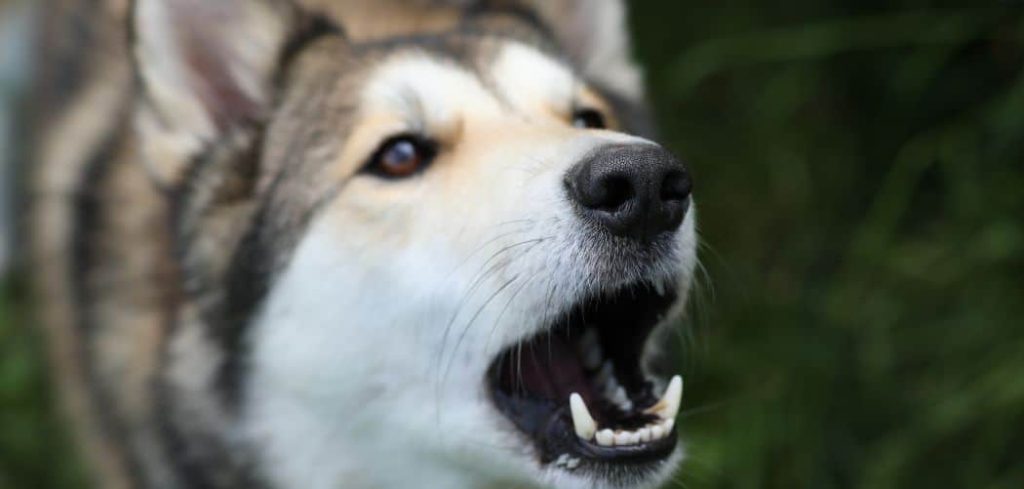
What Is Aggression in Dogs?
Aggression in dogs refers to behaviors intended to threaten, intimidate, or cause harm to another animal or person.
It can range from warning signals, such as growling and showing teeth, to more serious actions, including snapping, lunging, and biting.
Dogs may display aggression when they feel threatened, frightened, anxious, protective, or in pain, or when they are trying to guard something valuable, such as food, toys, or their resting space.
Aggression is a behavioral response in a particular situation and does not necessarily mean a dog has an inherently aggressive temperament.
Signs of Dog Aggression
Dogs may show several warning signs before attempting to bite. Common signs include:
Growling: Making a low, threatening sound to warn someone or another animal to keep away.
Showing teeth: Pulling back the lips to expose the teeth.
Snarling: Combining growling with exposed teeth.
Stiff body posture: Becoming tense, rigid, or unusually still.
Hard staring: Maintaining prolonged eye contact with a person or another dog.
Raised hackles: Hair along the back and neck standing upright.
Lunging: Moving suddenly toward a person or animal in a threatening manner.
Snapping: Quickly attempting to bite without necessarily making contact.
Biting: Using the teeth to grab or injure another animal or person.
Not all dogs display every warning sign, and some may escalate quickly. Growling and other warning signals should not be punished because they communicate discomfort and may help prevent a bite.
Sudden Aggressive Behavior Changes in Dogs: Causes
1. Pain or Physical Discomfort
Pain is one of the most important causes to investigate when a previously friendly dog suddenly becomes aggressive.
Dogs experiencing discomfort may growl, snap, or attempt to bite when someone touches them, picks them up, moves them, or approaches while they are resting.
The source of pain may not be immediately obvious. Arthritis, back problems, muscle injuries, abdominal discomfort, and dental disease can all affect how a dog responds to normal interactions.
Some dogs may also become less willing to play, exercise, climb stairs, or participate in activities they previously enjoyed.
Pain-related aggression is often defensive. The dog may be trying to prevent an interaction that it expects will make the discomfort worse.
2. Fear and Anxiety
Fear and anxiety are common motivations behind aggressive behavior in dogs.
A dog that feels threatened may growl, bark, show its teeth, or snap to make the perceived threat move away.
Sudden fear-related aggression may develop after a frightening experience, an unfamiliar encounter, rough handling, or exposure to something the dog finds intimidating.
You may notice that your dog becomes aggressive around strangers, unfamiliar dogs, children, loud noises, or particular situations.
Other signs can include hiding, trembling, avoiding eye contact, pacing, excessive barking, and trying to move away from people.
3. Resource Guarding
Resource guarding occurs when a dog becomes defensive about something it considers valuable.
This may include food, treats, toys, bones, sleeping areas, or even a favorite person.
A dog may growl when someone approaches its food bowl, snap when a person reaches for a toy, or become defensive when another animal comes near its resting place.
Resource guarding can become more noticeable after changes in the household, competition with other pets, or experiences that make the dog feel uncertain about losing access to something important.
Although guarding may appear suddenly, the underlying discomfort or warning signs may have been developing gradually.
4. Changes in the Household or Routine
Dogs can become stressed when their familiar environment or daily routine changes.
Moving house, introducing a new pet, having visitors stay, welcoming a new family member, or changing work and feeding schedules may affect a dog’s sense of security.
Some dogs respond by becoming withdrawn, restless, clingy, or unusually defensive.
For example, a dog may begin growling when people approach its bed after a new household member starts disturbing it during rest.
Changes in access to familiar spaces, sleeping areas, or attention can also contribute to tension between dogs living in the same home.
5. Territorial or Protective Behavior
Some dogs become aggressive when they believe someone or another animal is entering or approaching an area they consider their territory.
This may happen around the home, yard, gate, sleeping area, or familiar family members.
You may notice barking, growling, lunging, or attempts to block people from entering certain spaces.
A dog that previously tolerated visitors may become increasingly defensive after repeated stressful encounters or changes in its environment.
However, what appears to be protective behavior may sometimes be fear or anxiety, so the underlying motivation should be assessed rather than assumed.
6. Neurological Problems
Certain neurological conditions can affect a dog’s awareness, perception, coordination, and behavior.
Problems involving the brain or nervous system may sometimes contribute to sudden aggression or unusual responses to familiar people.
What may also be noticed includes confusion, staring into space, unusual repetitive movements, disorientation, seizures, changes in walking, or difficulty recognizing familiar surroundings.
A dog with sudden aggression accompanied by neurological signs needs urgent veterinary assessment.
7. Hormonal and Metabolic Disorders
Some hormonal and metabolic conditions can affect normal behavior and contribute to irritability or aggression.
Disorders involving the thyroid, adrenal glands, liver, or kidneys may influence how a dog feels and responds to its surroundings.
Aggression alongside changes in appetite, thirst, urination, energy levels, weight, or coat condition may be noticed.
These conditions cannot be diagnosed from behavior alone. Veterinary examination and appropriate blood tests may be necessary to investigate them.
8. Sensory Changes and Hearing or Vision Loss
A dog that is losing its hearing or vision may become more easily startled or anxious.
For example, a dog that no longer hears someone approaching may react defensively when suddenly touched.
Similarly, reduced vision can make familiar surroundings feel less predictable, particularly in unfamiliar places or poor lighting.
You may notice increased startling, reluctance to move around, confusion, or aggression when someone approaches unexpectedly.
These changes can occur gradually, but their effect on behavior may become noticeable quite suddenly.
9. Age-Related Cognitive Changes
Older dogs can develop canine cognitive dysfunction, a condition associated with changes in memory, awareness, sleep, and normal behavior.
An affected dog may become confused, restless at night, less responsive to familiar routines, or unusually anxious.
Some senior dogs become more defensive when approached, particularly when they are sleeping or struggling to understand what is happening around them.
However, sudden aggression in an older dog should not automatically be attributed to aging. Pain, sensory loss, neurological disease, and other medical conditions must also be considered.
Read more: Old Dog Getting Aggressive (Why It Happens)
10. Frustration and Overstimulation
Dogs may become aggressive when they are overwhelmed, frustrated, or unable to move away from a stressful situation.
For example, a dog may react when restrained on a leash, repeatedly disturbed during rest, or exposed to several stressful interactions without enough time to settle.
Some dogs also become more reactive when excited or frustrated by barriers that prevent them from reaching something they want.
The behavior may seem unpredictable, but several smaller stressors may have accumulated before the reaction occurred.
Sudden Aggression in Dogs Towards Humans
A dog may suddenly become aggressive toward humans because of fear, anxiety, pain, or a medical condition affecting its behavior.
For example, a dog experiencing arthritis, dental pain, an injury, or an illness may growl, snap, or bite when someone approaches or tries to touch it.
Other triggers include unfamiliar people, rough handling, punishment, resource guarding, and stressful interactions.
In some cases, the dog may redirect its aggression toward a nearby person after becoming excited or frustrated by something else. A sudden change in behavior warrants a veterinary examination to rule out pain or illness.
Sudden Aggression in Dogs Towards Other Dogs
A dog may suddenly become aggressive toward other dogs because of fear, territorial behavior, resource guarding, frustration, or negative experiences with other animals.
Poor socialization or a frightening encounter can make a dog uncomfortable around unfamiliar dogs, while competition over food, toys, resting places, or attention can trigger conflict between dogs living in the same household.
Pain, illness, and age-related changes can also make a dog less tolerant of interactions it previously accepted.
The behavior may involve growling, barking, lunging, snapping, or fighting when another dog approaches.
Dog Suddenly Aggressive Towards Family Member
A dog may suddenly become aggressive toward a family member because it feels threatened, frightened, uncomfortable, or protective of something it values.
Common triggers include being disturbed while sleeping, approached while eating, separated from a favorite toy, picked up, or touched in a painful area.
The dog may also react to changes in a family member’s behavior, such as approaching too quickly, shouting, or attempting to restrain it.
Medical problems, including injuries, arthritis, dental disease, and neurological conditions, can also cause sudden aggression.
Identifying what happens immediately before the aggressive response can help establish the trigger, but a veterinary examination is important when the behavior is new.
Read more: Dog Suddenly Aggressive Towards Family Member (Here’s Why)
Dog Suddenly Aggressive Towards Family Member at Night
A dog may suddenly become aggressive toward a family member at night because it is startled when disturbed during sleep, feels vulnerable in the dark, or becomes anxious or confused in its nighttime surroundings.
Older dogs may develop canine cognitive dysfunction, which can cause nighttime confusion, disrupted sleep, and changes in social behavior.
Poor eyesight, hearing loss, and painful conditions such as arthritis may also make a dog more defensive when someone approaches its resting place or tries to move it.
If the aggression is new, particularly in a senior dog, a veterinarian should assess possible medical, sensory, and cognitive causes.
What to Do If Your Dog Suddenly Becomes Aggressive
1. Arrange a Veterinary Examination
A sudden change in aggression should be investigated by a veterinarian, even if your dog otherwise appears healthy.
Explain when the behavior started, what triggers it, and whether you have noticed changes in appetite, sleep, mobility, or normal activities.
A medical examination can help identify pain, infection, neurological problems, or other conditions that may be contributing to the behavior.
2. Give Your Dog Space
Avoid approaching, touching, hugging, or disturbing your dog when it appears uncomfortable or defensive.
Allow your dog to retreat to a quiet resting area where it will not be disturbed.
Do not force interactions or attempt to make your dog accept handling when it is showing signs of discomfort.
3. Keep Children and Other Pets Safe
Until the cause of the aggression is understood, keep children and other animals separated from situations that could trigger a reaction.
Use secure barriers and ask an adult to help manage the environment. Do not leave children alone with a dog showing sudden aggressive behavior.
If your dog has already bitten someone, seek appropriate medical attention for the person and contact a veterinarian.
4. Avoid Punishment
Do not shout at, hit, threaten, or punish your dog for growling or showing other warning signs.
Punishment can increase fear and anxiety and may make future reactions harder to predict.
A growl is a warning that your dog is uncomfortable. Give the dog space rather than trying to suppress the warning.
5. Identify Possible Triggers
Pay attention to what happens immediately before the aggressive behavior.
For example, does your dog become defensive when someone approaches its food, touches a particular part of its body, wakes it up, or enters a certain room?
Record these observations without deliberately recreating the situation.
This information can help your veterinarian and a qualified behavior professional understand what is contributing to the aggression.
6. Maintain a Calm and Predictable Routine
Keep feeding times, walks, and rest periods as consistent as possible.
Reduce unnecessary noise, unfamiliar visitors, and stressful interactions while your dog is being assessed.
Avoid forcing social interactions with unfamiliar people or animals.
When to Call or Visit Your Vet
A dog that suddenly becomes aggressive should be examined immediately, especially if the behavior is completely different from its usual temperament.
Seek urgent veterinary attention if aggression occurs alongside:
Sudden confusion or disorientation.
Seizures or unusual repetitive movements.
Circling, stumbling, or difficulty walking.
Severe pain or sensitivity to touch.
Sudden changes in vision or awareness.
Unusual drooling or difficulty swallowing.
Marked changes in appetite, thirst, or energy.
A sudden inability to recognize familiar surroundings.
If your dog has an unknown vaccination history, possible exposure to a rabid animal, or unexplained neurological changes, contact a veterinarian immediately and avoid handling its saliva. Follow local veterinary and public-health guidance.
Sudden Aggressive Behavior Changes in Dogs: Treatment
Treatment depends on the underlying medical or behavioral cause. Your veterinarian will review your dog’s history and perform a physical examination, paying particular attention to possible sources of pain, illness, and neurological abnormalities.
Blood and urine tests, X-rays, or advanced imaging may be recommended when indicated.
If a medical condition is identified, treatment will focus on addressing that problem.
If the aggression is primarily behavioral, a veterinarian may recommend working with a qualified veterinary behaviorist to develop a structured behavior modification plan using appropriate environmental changes, desensitization, and counterconditioning.
Medication may also be considered in some cases to help manage underlying anxiety or other diagnosed conditions.
Key Takeaway
Sudden aggressive behavior changes in dogs can be caused by pain, fear, anxiety, resource guarding, household changes, neurological conditions, or other medical problems.
A dog that previously tolerated handling but suddenly growls, snaps, or attempts to bite may be experiencing discomfort or feeling threatened.
Do not assume your dog has simply become badly behaved. Arrange a veterinary examination, give your dog space, and protect children and other pets while the cause is investigated.
With the underlying problem identified, appropriate veterinary care and behavior support can often help reduce aggressive reactions and improve your dog’s comfort and well-being.


