
Noticing that your dog’s gums look paler than usual can be frightening, especially when the change appears suddenly.
Healthy gums are typically pink, although the exact shade can vary between dogs, and a noticeable change in color may sometimes indicate that something is affecting your dog’s circulation, blood, or overall health.
Table of Contents
Pale Gums in Dogs: Why It Happens
A dog may have pale gums when there is not enough normal blood flow or oxygen delivery to the tissues, when red blood cell levels are reduced, or when another condition affects circulation.
Blood loss, anemia, shock, heart or circulatory problems, and certain serious illnesses can cause the gums to become noticeably lighter.
Because pale gums can sometimes indicate a medical emergency, particularly when they appear suddenly, it is important to consider your dog’s overall condition rather than judging the gum color alone.
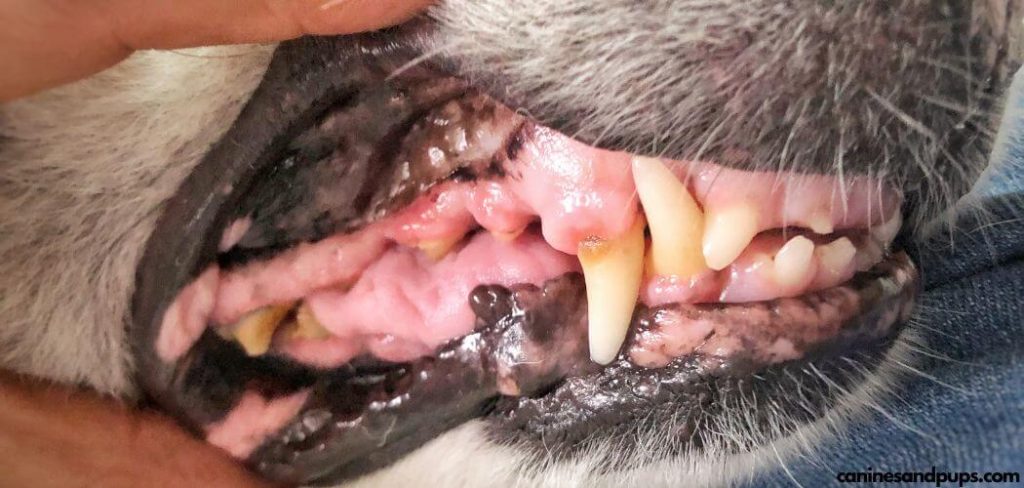
Dog Pale Gums vs Normal
Normal dog gums are generally pink and moist, although the exact shade can vary between dogs.
Some dogs naturally have areas of dark pigmentation, so the best comparison is often against your dog’s usual gum color.
Pale, white, gray, or bluish gums are not considered normal and can indicate that the blood is not circulating or carrying oxygen normally.
Pressing gently on the gums and watching how quickly the pink color returns can provide additional information, but it does not replace a veterinary examination.
Dog Has Pale Gums but Acting Normal
A dog with pale gums but otherwise normal behavior should still be assessed by a veterinarian, particularly if the change is new.
Dogs can sometimes appear normal during the early stages of a significant problem, so acting normally does not rule out an underlying issue.
A veterinarian can check circulation, heart rate, blood pressure, hydration, and blood cell levels and determine whether further testing is necessary.
Related: Dog has pale gums but acting normal (What it means)
Pale Gums in Dogs: Symptoms
Depending on the underlying problem, other symptoms may occur at the same time, including:
Gums that look pale pink, white, or gray
Unusual tiredness or weakness
Reduced appetite
Rapid or unusual breathing
Increased heart rate
Reluctance to exercise
Dizziness, stumbling, or collapse
Cool ears, paws, or limbs
Common Causes of Pale Gums in Dogs
Normal Variation or Temporary Changes
Not every difference in gum color means a dog is seriously ill. Some dogs naturally have areas of darker pigmentation, and gum color can appear slightly different depending on lighting or the dog’s level of excitement.
Gums may also temporarily appear lighter under some circumstances.
However, gums that suddenly become distinctly pale, white, or gray should not be assumed to be a normal variation.
If you are unsure whether your dog’s gums have actually changed, compare them with how they normally look in good lighting and contact your veterinarian if the change persists.
Anemia
Anemia occurs when a dog has fewer circulating red blood cells than normal or reduced oxygen-carrying capacity. Because the gums contain many small blood vessels, anemia can make them appear noticeably pale.
Anemic dogs may also become tired more easily, sleep more than usual, have reduced appetite, or show weakness.
Some dogs develop faster breathing or a faster heartbeat as the body attempts to compensate.
Anemia has many possible causes, including blood loss, destruction of red blood cells, chronic disease, and other medical conditions. Veterinary testing is needed to determine the underlying cause.
Blood Loss
Significant blood loss can cause pale gums because the circulating blood volume decreases. The blood loss may be obvious, such as from an external wound, or it may occur internally and therefore be much harder for an owner to recognize.
A dog losing blood may become weak, tired, restless, or unusually quiet. Vomiting or stool containing blood can sometimes provide clues, although internal bleeding is not always visible.
Sudden pale or white gums accompanied by weakness, collapse, rapid breathing, or other signs of blood loss require emergency veterinary attention.
Gastrointestinal Bleeding
Bleeding somewhere in the digestive tract can contribute to anemia and pale gums. Depending on where the bleeding occurs, you may notice black, tar-like stool or visible blood in vomit or feces.
A dog may initially seem relatively normal before becoming weak as blood loss continues.
Reduced appetite, vomiting, diarrhea, and abdominal discomfort may also occur.
Black, tarry stool combined with pale gums is particularly concerning and should be assessed urgently.
Parasites
Some parasites can contribute to blood loss or anemia, particularly when there is a substantial parasite burden.
Depending on the parasite and the dog’s age and health, other signs may include diarrhea, poor body condition, weakness, or changes in appetite.
External parasites can also contribute to blood loss in severe infestations, especially in small or vulnerable dogs.
Veterinary testing can help determine whether parasites are contributing to anemia. Treatment depends on the specific parasite involved.
Shock or Poor Circulation
Shock occurs when the body’s tissues do not receive adequate blood flow and oxygen. It can develop after severe blood loss, trauma, serious illness, allergic reactions, or other emergencies.
A dog in shock may have very pale or white gums, rapid breathing, weakness, a rapid heartbeat, cool extremities, confusion, or collapse.
This is an emergency. A dog showing signs of shock should receive immediate veterinary care rather than being monitored at home.
Heart or Circulatory Problems
Conditions affecting the heart or circulation can interfere with normal blood flow and oxygen delivery. Depending on the underlying condition, a dog may develop pale gums along with weakness, exercise intolerance, coughing, rapid breathing, or collapse.
Not every dog with heart disease will have pale gums, and gum color alone cannot diagnose a cardiac problem.
If pale gums occur alongside breathing difficulties, weakness, or fainting, prompt veterinary assessment is important.
Serious Internal or Systemic Disease
Various illnesses can affect red blood cells, blood production, circulation, or the body’s ability to maintain normal oxygen delivery.
These may include chronic organ disease, immune-mediated conditions, severe infections, or other systemic disorders.
The accompanying symptoms vary considerably depending on the underlying problem.
Some dogs gradually become tired and lose weight, while others develop sudden weakness.
Blood tests and other diagnostic procedures may be necessary to determine why the gums have become pale.
Related: Dog pale gums and not eating (Here’s why)
Dog Pale Gums No Other Symptoms
Pale gums without other obvious symptoms should not automatically be dismissed, especially when the gums are noticeably lighter than normal.
Veterinary assessment may include checking the dog’s circulation and vital signs and performing blood tests to evaluate red blood cell levels and other important parameters.
If the gums become white, gray, or markedly pale, or the change develops suddenly, prompt veterinary attention is recommended even if the dog otherwise appears well.
Dog Pale Gums After Sleep
Gums should generally return to their normal pink color after a dog wakes up. If the gums remain unusually pale after sleep, a veterinarian should assess the dog rather than assuming the change is simply related to resting.
The veterinarian may evaluate circulation, heart function, hydration, and blood cell levels to determine whether further investigation is needed.
Pale gums accompanied by weakness, collapse, unusual breathing, or difficulty waking require urgent veterinary care.
Dog Pale Gums and Diarrhea
A dog with pale gums and diarrhea should be evaluated by a veterinarian immediately, particularly if the gums are much lighter than usual.
Diarrhea can contribute to dehydration and fluid loss, while pale gums may indicate that circulation or the blood’s oxygen-carrying capacity is compromised.
The veterinarian may assess hydration, heart rate, blood pressure, circulation, and blood cell levels and may perform blood tests or fecal testing to determine the severity of the problem.
Dog Pale Gums After Vomiting
Pale gums after vomiting can be concerning, particularly when the vomiting has been repeated or is accompanied by weakness or other changes.
A veterinarian may assess hydration, circulation, blood pressure, and blood cell levels and may perform blood tests or imaging when indicated.
Treatment may include intravenous fluids, anti-nausea medication, and other supportive or targeted treatment depending on the dog’s condition.
White or very pale gums after repeated vomiting warrant immediate veterinary evaluation.
Dog Pale Gums and Breathing Heavily
Pale gums combined with heavy or labored breathing should be treated as a veterinary emergency. This combination can indicate that the dog’s circulation or oxygen delivery is severely compromised.
The veterinarian will prioritize stabilization by assessing oxygen levels, heart function, blood pressure, and circulation and may provide oxygen therapy, intravenous fluids, emergency medications, or other intensive treatment.
If your dog’s gums are pale or white and it is breathing heavily, seek emergency veterinary care immediately rather than waiting for additional symptoms to appear.
What to Do
If you notice that your dog’s gums look paler than usual, check them in good natural lighting. Gently lift the lip and look at an area of gum that is normally pink rather than an area that naturally contains dark pigmentation.
If your dog is calm and comfortable, you can briefly observe the gum color and compare it with your dog’s usual appearance.
Do not repeatedly manipulate the gums if your dog is distressed or showing signs of serious illness.
Look for other changes such as weakness, rapid breathing, vomiting, black stool, bleeding, reduced appetite, or collapse.
These details can help your veterinarian understand how urgent the situation may be.
Keep your dog quiet and avoid strenuous activity if they appear weak or unwell.
If the gums are suddenly very pale, white, or gray, seek veterinary care rather than trying to treat the problem at home.
Do not give human medications, iron supplements, or other treatments unless your veterinarian specifically recommends them.
Pale gums have many possible causes, and treatment depends on identifying the underlying problem.
If possible, take a photograph of your dog’s gums in good lighting.
This may be useful when discussing a subtle change with your veterinarian, although a photograph should never delay emergency care.
When to Call or Visit the Vet
A persistent change in gum color deserves veterinary attention, particularly when the gums are much paler than normal.
Sudden pale or white gums accompanied by other signs of illness can indicate an emergency.
Schedule an appointment if you notice:
Gums that remain noticeably paler than normal
Gradual loss of energy
Reduced appetite
Unexplained weight loss
Recurring digestive problems
Exercise intolerance
Unusual breathing during normal activity
Recurring weakness
Seek emergency veterinary attention immediately if your dog develops:
White or very pale gums
Gray or bluish gums
Collapse or inability to stand
Severe weakness
Rapid or difficult breathing
Significant bleeding
Vomiting blood
Black, tar-like stool with weakness
A swollen or painful abdomen
Signs of shock or extreme distress
Pale Gums in Dogs: Treatment
Veterinary treatment for pale gums in dogs starts with a thorough examination, including assessment of gum color, circulation, heart rate, breathing, hydration, and overall condition.
The veterinarian may recommend a complete blood count, blood chemistry testing, fecal testing, imaging, or other diagnostic tests when appropriate to determine whether anemia, blood loss, internal disease, or another problem is responsible.
Treatment may include fluid support, treatment for parasites or infection, management of gastrointestinal bleeding, prescription medication, blood products when necessary, or other targeted therapy based on the diagnosis.
Recovery and Monitoring
Recovery depends entirely on what is causing the pale gums. A dog with mild anemia related to a treatable condition may improve once the underlying problem is addressed, while significant blood loss, severe anemia, shock, or serious internal disease may require more intensive treatment.
During recovery, monitor gum color, appetite, water intake, breathing, energy, and overall behavior.
Pay attention to whether your dog becomes tired more easily or develops weakness, vomiting, abnormal stool, or other new symptoms.
Follow your veterinarian’s instructions carefully and give prescribed medications exactly as directed.
Do not assume that improving gum color means the underlying condition has completely resolved.
Follow-up blood tests may be recommended when anemia or another blood-related condition has been diagnosed. These tests can help determine whether your dog is responding appropriately to treatment.
Key Takeaway
Pale gums in dogs can have several causes, ranging from temporary changes in appearance to anemia, blood loss, poor circulation, shock, or serious underlying disease.
A noticeable change from your dog’s normal gum color is worth taking seriously, particularly if the gums appear white or gray.
Pale gums accompanied by weakness, rapid or difficult breathing, collapse, significant bleeding, black tar-like stool, or other severe symptoms require emergency veterinary attention.
If your dog’s gums remain unusually pale even though they are otherwise acting normally, contact your veterinarian for advice and an examination.
Identifying the underlying cause early can help ensure that your dog receives the appropriate treatment.
