
Noticing your old dog becoming too skinny can be worrying, especially if the weight loss seems gradual or happens without a clear reason.
While some muscle loss is a normal part of aging, excessive thinness is often a sign that something isn’t right.
Table of Contents
Old Dog Too Skinny: Why It Happens
An old dog becoming too skinny is usually caused by underlying health issues, poor nutrient absorption, or changes in appetite and metabolism.
When dogs age, they may lose muscle mass naturally, but conditions like chronic disease, dental pain, or digestive problems can accelerate weight loss and prevent proper nourishment. In many cases, being underweight reflects a deeper imbalance in the body.
Old Dog Too Skinny: Symptoms
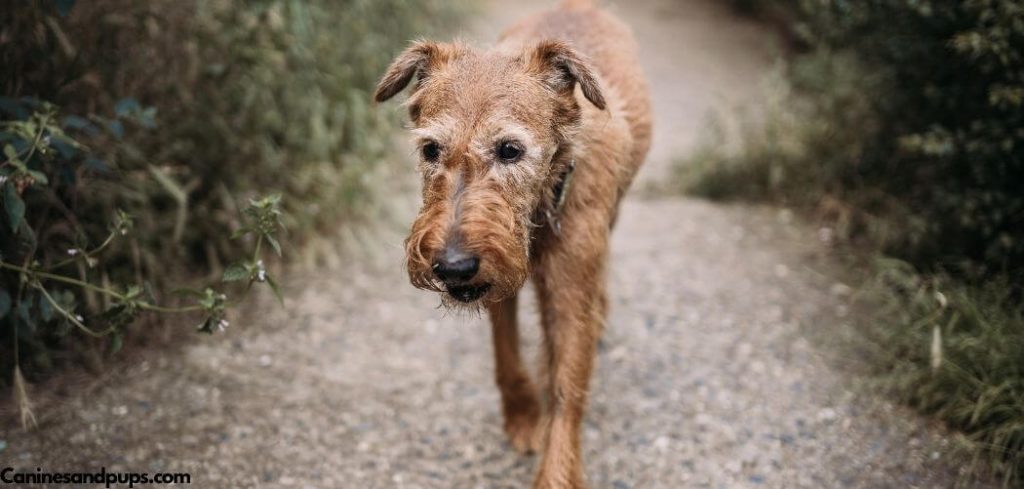
If your old dog is too skinny, you may notice:
- Visible ribs, spine, or hip bones
- Loss of muscle mass (especially around the back legs)
- Dull or thinning coat
- Reduced energy or lethargy
- Decreased appetite or picky eating
- Weakness or difficulty moving
- Loose or poor-quality stools
- Increased hunger without weight gain
- Changes in behavior or mood
Old Dog Too Skinny: Common Causes
Dental Disease and Oral Pain
Dental problems are one of the most frequent causes of weight loss in older dogs. Years of plaque and tartar buildup can lead to periodontal disease, gum infections, or broken teeth. When chewing becomes painful, dogs start avoiding food, especially dry kibble.
They may attempt to eat but drop food, chew on one side, or walk away after a few bites.
This leads to gradual weight loss and nutritional deficiency. In advanced cases, infections in the mouth can spread to other organs, further worsening their condition.
Kidney Disease
Kidney disease is common in senior dogs and often causes slow, progressive weight loss. The kidneys play a vital role in filtering toxins from the blood.
As they weaken with age, toxins build up, making your dog feel nauseous and lose interest in food.
You may notice symptoms like increased thirst, frequent urination, bad breath (with a metallic smell), and lethargy. Dogs with kidney disease often eat less, drink more, and lose muscle mass over time.
Although kidney disease can’t be cured, it can be managed with special low-protein diets, hydration support, and medications that help maintain appetite and kidney function. Early detection is crucial — with proper treatment, many dogs live comfortably for years.
Read more: Old Dog Losing Weight (What’s causing the change?)
Liver Disease
The liver is responsible for detoxifying the body and aiding digestion. When it’s compromised — whether due to infection, inflammation, or cancer — your dog may lose their appetite and drop weight rapidly.
Liver disease often causes symptoms like vomiting, diarrhea, yellowing of the eyes or gums (jaundice), and abdominal swelling.
Some dogs also show behavioral changes such as confusion or disorientation because of toxin buildup affecting the brain (a condition known as hepatic encephalopathy).
Diabetes Mellitus
Diabetes is another major cause of weight loss in older dogs, especially if they seem to eat normally or even excessively. When the body can’t properly regulate blood sugar, it starts breaking down fat and muscle for energy, leading to unexplained weight loss.
You might notice symptoms like increased thirst, frequent urination, cloudy eyes (cataracts), or recurrent infections.
Left untreated, diabetes can become life-threatening, but with insulin therapy, dietary management, and regular monitoring, most diabetic dogs regain lost weight and live full, happy lives.
Cancer
Sadly, cancer is one of the leading causes of weight loss in older dogs. Tumors consume the body’s nutrients, even when your dog is eating enough food.
Internal cancers — such as those affecting the liver, spleen, or intestines — often go unnoticed until weight loss and fatigue become obvious.
Other signs may include loss of appetite, swollen abdomen, visible lumps, or changes in bowel habits.
Parasites and Digestive Disorders
Even older dogs can suffer from intestinal parasites like worms, especially if their immune system is weakened. These parasites steal essential nutrients, leading to gradual weight loss and poor coat condition.
Additionally, gastrointestinal disorders such as inflammatory bowel disease (IBD) or pancreatitis can cause chronic diarrhea, vomiting, and nutrient malabsorption.
Your dog may eat well but still lose weight because their body isn’t absorbing nutrients properly.
Heart Disease
Heart conditions are common in aging dogs and can contribute indirectly to weight loss. When the heart struggles to pump blood effectively, organs and muscles receive less oxygen. Dogs tire easily, exercise less, and gradually lose muscle mass.
Some may also experience fluid buildup in the abdomen or lungs, making them appear bloated even as they lose internal body fat.
Arthritis and Chronic Pain
Painful conditions like arthritis or joint degeneration often reduce your dog’s activity levels, but they can also affect appetite.
A dog in chronic pain may lie around more, seem depressed, and refuse to eat because movement and daily life become uncomfortable.
Weight loss from pain-related anorexia can happen slowly but progressively.
Thyroid Problems
An overactive thyroid gland (hyperthyroidism) — though rare in dogs — can cause rapid metabolism and significant weight loss despite a good appetite. Conversely, hypothyroidism slows metabolism and can lead to lethargy and muscle loss.
Both conditions affect hormone balance, which regulates energy use and body weight.
Old Dog Too Skinny: What to Do
If your old dog is too skinny, start by evaluating their diet. Ensure they are eating a high-quality, nutrient-rich food that meets their needs as a senior dog.
Try offering smaller, more frequent meals or warming food to make it more appealing.
If chewing seems difficult, switch to softer or wet food to make eating easier. Monitor your dog’s weight regularly and track any changes in appetite or behavior.
Provide a calm, comfortable environment to reduce stress and encourage eating. If the weight loss continues or worsens, consult your veterinarian for further evaluation.
When to Call or Visit Your Vet
If your old dog is losing weight rapidly or appears very thin, it’s important to seek veterinary care.
Loss of appetite lasting more than a day or two should be evaluated. If weight loss is accompanied by vomiting, diarrhea, or lethargy, this requires immediate attention.
Visible weakness, difficulty standing, or significant muscle loss are also warning signs.
Any unexplained or persistent weight loss should not be ignored.
Read more: Old Dog Tired and Not Eating (When appetite loss is serious)
Old Dog Too Skinny: Treatment
Treatment for an old dog that is too skinny focuses on identifying and addressing the underlying cause.
Your veterinarian may perform blood tests, stool analysis, or imaging to evaluate organ function and detect illness.
Treatment may include dietary changes, medications, or supportive care depending on the diagnosis.
In some cases, appetite stimulants or specialized diets may be recommended. Managing the root cause is key to helping your dog regain a healthy weight.
Key Takeaway
An old dog becoming too skinny is not something to ignore, even if it seems gradual.
While some muscle loss is normal with age, significant weight loss often signals an underlying issue.
By addressing diet, monitoring symptoms, and seeking veterinary care when needed, you can help your dog maintain a healthy weight and quality of life in their senior years.


