
Noticing your senior dog losing weight can be alarming, especially when it happens rapidly or without changes in diet.
Weight loss in older dogs often signals underlying health issues that require attention.
Table of Contents
Old Dog Losing Weight: Why It Happens
Weight loss in old dogs often happens due to age-related health issues. Common causes include dental disease (making it painful to eat), kidney or liver disease, diabetes, thyroid problems, cancer, or poor nutrient absorption. Sometimes, it can also be from reduced appetite, stress, or changes in diet.
If your senior dog is losing weight unexpectedly, it’s important to monitor their eating habits, energy levels, and overall condition.
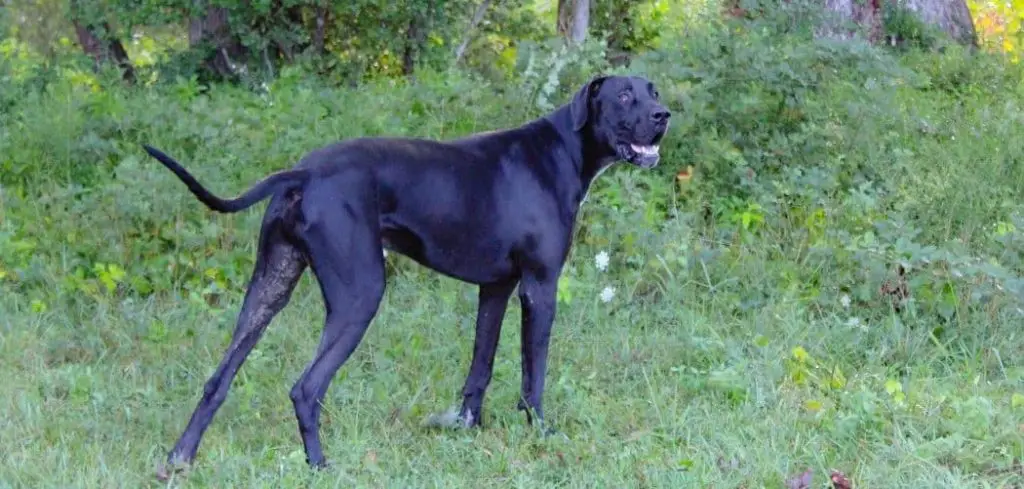
Old Dog Losing Weight but Acting Normal
A senior dog losing weight while acting normal can still have a hidden medical issue.
Early stages of diseases such as cancer, thyroid problems, digestive disorders, or diabetes may not immediately affect behavior or energy levels.
Some older dogs also lose muscle mass due to aging, but noticeable or ongoing weight loss is not considered normal.
Monitoring appetite, stool quality, water intake, and activity levels is important because subtle changes may appear over time. Gradual weight loss without other symptoms should still be taken seriously in older dogs.
Old Dog Losing Weight: Symptoms
Weight loss in an older dog is often a visible sign that something is affecting overall health, even if the dog seems normal at first. It may develop gradually or suddenly and is often accompanied by subtle physical and behavioral changes that become more noticeable over time.
Signs include:
Noticeable thinning of the body, ribs, or spine becoming more visible
Loss of muscle mass, especially around the hips and back legs
Decreased or increased appetite (eating less or sometimes more than usual)
Lethargy or reduced energy levels
Dull, dry, or thinning coat
Vomiting or diarrhea
Increased thirst and urination
Weakness or difficulty standing and walking
Bad breath or dental issues affecting eating
Changes in behavior such as withdrawal or irritability
Old Dog Losing Weight: Common Causes
Dental Disease
Dental issues are frequent in older dogs and can make eating painful. Dogs may avoid food due to tooth decay, gum disease, or oral infections, resulting in gradual weight loss.
Signs include bad breath, drooling, difficulty chewing, or pawing at the mouth. Untreated dental disease can lead to systemic infections and nutritional deficiencies, making it essential to address promptly.
Read more: Old Dog Bad Teeth (Signs causes and treatment)
Gastrointestinal Disorders
Digestive problems can prevent proper nutrient absorption, leading to weight loss. Conditions such as inflammatory bowel disease, chronic diarrhea, or pancreatic insufficiency can cause reduced appetite, vomiting, and loose stools.
Detecting these issues early ensures your dog receives appropriate treatment and maintains healthy weight.
Read more: Old Dog Not Eating (Here’s why)
Kidney or Liver Disease
Chronic kidney or liver conditions often cause gradual weight loss in older dogs. Symptoms may include increased thirst, frequent urination, vomiting, and lethargy.
Regular veterinary screening can detect these diseases early, allowing for dietary adjustments, medications, or supportive care to slow progression and improve quality of life.
Diabetes
Diabetes can trigger weight loss even when appetite remains normal or increases. Excessive urination, thirst, and occasional vomiting are common signs.
Without management, uncontrolled diabetes can lead to serious complications, so early detection and treatment are crucial.
Cancer
Cancer is a significant concern in older dogs experiencing unexplained weight loss. Tumors may interfere with nutrient absorption, appetite, or metabolism.
Other warning signs include lethargy, changes in behavior, visible lumps, or persistent vomiting. Prompt veterinary evaluation is essential for diagnosis and treatment planning.
Age-Related Muscle Loss
Sarcopenia, or muscle wasting, occurs naturally as dogs age. Even without major illness, older dogs may lose muscle mass and overall weight.
Maintaining regular low-impact exercise and a nutrient-rich diet can slow muscle loss and improve overall body condition.
Old Dog Losing Weight Suddenly
Sudden weight loss in an older dog is often a sign of an underlying medical problem and should not be ignored.
Common causes include kidney disease, cancer, diabetes, thyroid disorders, dental disease, and gastrointestinal problems that affect nutrient absorption.
Parasites, chronic infections, or pain may also reduce a dog’s ability to maintain weight. In senior dogs, even subtle weight loss can indicate serious illness because their bodies have less reserve.
If weight loss occurs alongside vomiting, diarrhea, lethargy, or appetite changes, it suggests the need for immediate veterinary evaluation.
Old Dog Losing Weight but Still Eating
An older dog losing weight despite still eating can indicate that the body is not properly absorbing or using nutrients.
Conditions such as cancer, diabetes, intestinal disease, pancreatic insufficiency, or hyperthyroidism can cause weight loss even when appetite remains normal or increases.
Dental pain may also cause inefficient chewing, while chronic infections can increase calorie needs.
In senior dogs, this pattern is particularly concerning because it often points to metabolic or systemic illness rather than simple dietary issues. Monitoring food intake, stool quality, and energy levels can help identify worsening changes.
Read more: Old dog losing weight but still eating (What it means)
Old Dog Losing Weight and Drinking Lots of Water
An older dog losing weight while drinking a lot of water can indicate an underlying medical condition affecting metabolism or organ function.
Common causes include kidney disease, diabetes, Cushing’s disease, liver disease, and some types of cancer. These conditions can increase thirst while the body breaks down muscle and fat, leading to gradual weight loss.
You may also notice increased urination, lethargy, or appetite changes. Even if the dog seems otherwise stable, this combination of symptoms in a senior dog should be evaluated because it often points to a chronic illness.
Old Dog Losing Weight and Fur
Weight loss combined with hair loss in an older dog may suggest hormonal disorders, nutritional problems, or chronic disease.
Conditions such as Cushing’s disease, thyroid imbalances, skin infections, parasites, or allergies can cause thinning fur along with body condition changes.
Poor nutrient absorption or chronic illness can also affect coat quality, making fur dry, brittle, or patchy.
In some cases, stress or aging can contribute, but noticeable hair loss with weight loss is not typical and may indicate an underlying health issue.
What are end of life symptoms in elderly dogs? Is weight loss a sign?
End-of-life symptoms in elderly dogs usually reflect a gradual decline in organ function and overall strength. Common signs include significant weight loss, reduced or complete loss of appetite, increased sleeping, weakness, and difficulty standing or walking.
Many dogs become less interested in interaction, may withdraw or hide, and can develop incontinence.
Other symptoms may include labored breathing, persistent vomiting or diarrhea, confusion, restlessness, or inability to get comfortable. These changes often occur together and tend to worsen over time.
Yes, losing weight can be a sign, especially when it is ongoing, unexplained, or accompanied by other symptoms. Weight loss near the end of life is often due to the body no longer absorbing nutrients properly, muscle breakdown, or chronic illness such as organ failure or cancer.
However, weight loss alone does not always mean a dog is at the end of life—it becomes more concerning when combined with weakness, appetite loss, and reduced quality of life.
Read more: Old dog behavior before death (Signs to watch out for)
When to Call or Visit Your Vet
Seek immediate veterinary care if your dog loses weight rapidly, shows persistent vomiting, diarrhea, or exhibits lethargy.
Blood in the stool, changes in appetite, or visible lumps also require prompt evaluation.
Your veterinarian can run blood tests, imaging, and other diagnostics to identify causes such as organ disease, cancer, or metabolic disorders and create a treatment plan tailored to your dog’s needs.
Old Dog Losing Weight: Treatment
Treatment for weight loss in an older dog focuses on identifying and addressing the underlying cause rather than just increasing food intake.
Your veterinarian will typically start with a physical exam and may recommend blood tests, stool tests, or imaging to determine if conditions such as kidney disease, diabetes, cancer, dental disease, or digestive disorders are present.
Once the cause is identified, treatment may include:
Dietary changes: Switching to a high-quality, easily digestible, or calorie-dense senior diet to support weight gain
Smaller, frequent meals: Helps improve digestion and nutrient absorption
Medications: Depending on the cause (e.g., antibiotics for infection, medication for organ disease, or appetite stimulants)
Dental treatment: Addressing painful teeth or gum disease to improve eating
Probiotics or digestive support: To improve gut health and nutrient absorption
Fluid therapy: If dehydration or kidney issues are present
Pain management: Especially if arthritis or internal discomfort is affecting appetite
Ongoing monitoring is important, including tracking weight, appetite, and energy levels. Treatment is most effective when started early, as unexplained weight loss in senior dogs often indicates an underlying medical condition.
Key Takeaway
Unexplained weight loss in senior dogs is often a signal of underlying health concerns. Monitoring appetite, energy levels, and overall body condition, while maintaining regular veterinary checkups, is essential for timely intervention.
With careful observation, proper nutrition, and professional guidance, you can help your older dog maintain a healthy weight and enjoy a better quality of life.