
If your senior dog has started acting strangely, it’s natural to feel worried. Perhaps they’re staring at walls, pacing at night, hiding, becoming unusually clingy, or no longer responding the way they used to.
These unexpected changes can be confusing, especially if your dog has always had a predictable personality.
While some behavioral changes occur as part of the normal aging process, old dog strange behavior is often a sign that something is affecting your dog’s physical or mental health.
Conditions ranging from arthritis and vision loss to canine cognitive dysfunction and neurological disease can all change how an older dog behaves.
Identifying the underlying cause is the first step toward helping your companion feel more comfortable.
Table of Contents
Old Dog Strange Behavior: Why It Happens
A dog may begin acting strangely during its senior years because aging affects the brain, senses, joints, and internal organs, making it more difficult to respond normally to everyday situations.
Some dogs become confused due to cognitive decline, while others behave differently because of pain, anxiety, declining vision or hearing, hormonal disorders, or neurological disease.
Since unusual behavior is often your dog’s way of signaling that something is wrong, it should not be dismissed as simply “old age.”
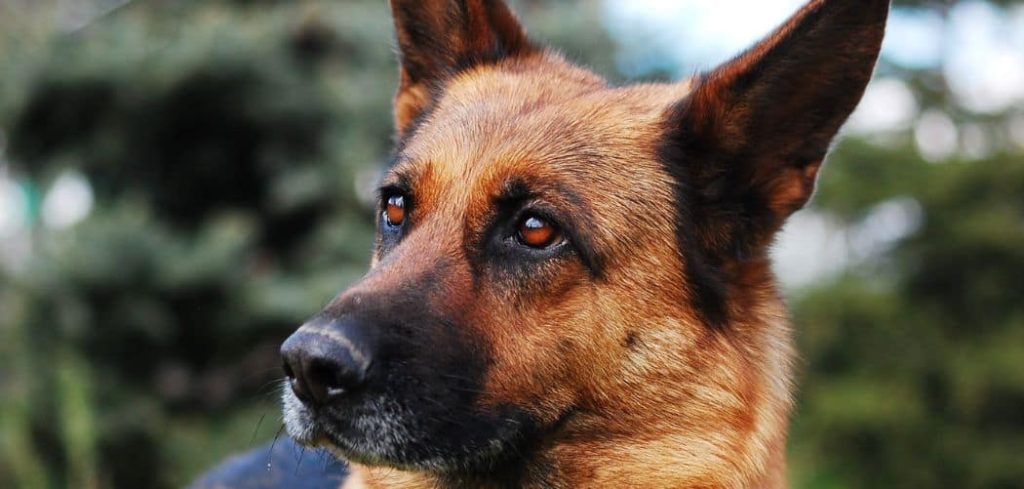
What Does Old Dog Strange Behavior Look Like?
Strange behavior in an old dog refers to new or unusual actions that are out of character and may indicate an underlying health problem rather than normal aging.
A senior dog may seem confused, stare at walls or into space, wander aimlessly, get stuck in corners, forget familiar people or routines, bark or whine without an obvious reason, become unusually clingy or withdrawn, have accidents in the house, or show sudden changes in appetite or sleep patterns.
Old Dog Strange Behavior: Signs
Strange behavior can look different from one dog to another. Some changes develop gradually, while others appear suddenly.
Common signs include:
Pacing or wandering aimlessly
Staring at walls or into space
Getting stuck behind furniture or in corners
Barking or whining without an obvious reason
Sleeping much more or much less than usual
Increased anxiety or clinginess
Forgetting familiar routines or commands
House-training accidents
Related: Old dog behavior before death (Common signs)
Old Dog Strange Behavior: Common Causes
Chronic Pain
Pain is a frequent but often overlooked cause of unusual behavior in senior dogs.
Behavioral changes are among the earliest and most reliable signs of pain in senior dogs.
Arthritis, spinal disease, dental disease, or abdominal discomfort may make dogs seem withdrawn, restless, or unusually irritable.
Instead of crying out, many older dogs simply change their behavior. They may avoid stairs, hesitate before lying down, resist being touched, or stop participating in activities they once enjoyed. Proper pain management often results in noticeable behavioral improvement.
Canine Cognitive Dysfunction (Dog Dementia)
One of the most common causes of old dog strange behavior is canine cognitive dysfunction, a condition similar to dementia in people. As the brain ages, memory, learning, and awareness gradually decline.
Dogs with cognitive dysfunction may pace, become confused in familiar rooms, stare into space, forget house training, or appear lost inside their own home.
Many also develop nighttime restlessness, changes in sleep patterns, or decreased interaction with family members.
Although there is no cure, early diagnosis and treatment can often slow progression and improve quality of life.
Read more: Old Dog Syndrome (Signs, causes and treatment)
Vision or Hearing Loss
Gradual loss of eyesight or hearing can make an older dog appear confused or unpredictable.
Dogs may fail to recognize familiar people until they are close, become startled when touched unexpectedly, or hesitate in unfamiliar areas.
Other signs include bumping into furniture, ignoring commands, sleeping through loud noises, or becoming anxious in dim lighting. Keeping the home environment consistent can help reduce confusion.
Anxiety and Stress
Senior dogs often become more sensitive to changes in their environment. Moving to a new home, changes in routine, losing a companion, or spending more time alone may trigger anxiety.
Anxious dogs may pace, bark excessively, follow their owners constantly, hide, or destroy household items. Establishing a predictable daily routine can help many anxious senior dogs feel more secure.
Hormonal or Metabolic Disorders
Diseases involving the thyroid, liver, kidneys, adrenal glands, or blood sugar can affect normal brain function and cause strange behavior.
Dogs with these conditions may also experience increased thirst, appetite changes, weight loss, vomiting, diarrhea, weakness, or changes in urination.
Blood and urine testing are usually needed to diagnose these disorders accurately.
Vestibular Disease
Vestibular disease affects the balance system and commonly occurs in older dogs. The sudden dizziness it causes can make dogs appear frightened, confused, or disoriented.
Affected dogs often develop a head tilt, stumble, walk in circles, fall over, or have rapid eye movements.
While many dogs improve significantly within a few weeks, veterinary evaluation is essential because similar signs can occur with strokes or brain disease.
Read more: Old Dog Vestibular Disease (Causes and treatment)
Medication Side Effects
Some medications prescribed for arthritis, seizures, allergies, or chronic illnesses can temporarily alter a dog’s behavior. Older dogs may become unusually sleepy, restless, anxious, or confused after starting a new medication or changing the dosage.
Never stop or adjust medications without speaking to your veterinarian, as doing so may worsen your dog’s condition.
Brain Tumors or Other Neurological Disorders
One of the most serious causes of old dog strange behavior is disease affecting the brain or nervous system.
Brain tumors, strokes, inflammatory diseases, and seizure disorders can all lead to sudden or progressive personality changes.
Additional signs may include seizures, circling, head pressing, weakness, vision loss, balance problems, or collapse.
These conditions require immediate veterinary evaluation because early diagnosis may improve treatment options.
Read more: Old Dog Neurological Problems (Signs, causes and treatment)
Old Dog Strange Behavior at Night
An old dog that behaves strangely at night is often experiencing changes in the sleep-wake cycle caused by canine cognitive dysfunction, although other medical conditions can also be responsible.
Common nighttime behaviors include pacing, wandering around the house, barking or whining for no apparent reason, staring into space, appearing confused, getting lost in familiar rooms, or waking repeatedly instead of sleeping.
Pain from arthritis, declining vision or hearing, anxiety, urinary problems, or other illnesses may also become more noticeable at night.
Maintaining a consistent bedtime routine, providing a quiet and comfortable sleeping area, and ensuring easy access to water and bathroom breaks can help, but persistent or worsening nighttime behavior should be assessed by a veterinarian to determine the underlying cause.
Old Dog Strange Behavior: What to Do
If your senior dog starts behaving strangely, observe them carefully instead of assuming the behavior is simply part of getting older.
Many medical conditions are easier to diagnose when owners can describe exactly what changed and when it began.
Keep a daily diary noting your dog’s appetite, water intake, sleeping habits, mobility, bathroom routine, and unusual behaviors.
If episodes are brief or difficult to explain, record a video whenever it is safe to do so. This information can be extremely valuable for your veterinarian.
Provide a calm, familiar environment with regular feeding times, gentle exercise, and comfortable resting areas. Avoid rearranging furniture if vision loss or cognitive dysfunction is suspected, as familiar surroundings help reduce confusion.
If your dog seems weak, dizzy, or unsteady, limit strenuous activity until they have been examined. Make sure fresh water is always available and assist them with mobility if needed.
Avoid giving human medications, over-the-counter pain relievers, or calming products unless your veterinarian specifically recommends them. Some medications that are safe for people can be dangerous for dogs.
When to Call or Visit the Vet
Behavior changes are often one of the earliest signs of illness in older dogs. Prompt veterinary evaluation can help identify problems before they become more serious.
Schedule an appointment if you notice:
Persistent confusion
Nighttime pacing or restlessness
Loss of house training
Personality changes
Vision or hearing decline
Increased anxiety or clinginess
Appetite or weight changes
Strange behavior lasting more than a day or two
Seek emergency veterinary attention immediately if your dog develops:
Seizures
Collapse or inability to stand
Head pressing
Continuous circling
Severe difficulty breathing
Sudden blindness
Loss of consciousness
Extreme weakness or unresponsiveness
Old Dog Strange Behavior: Treatment
Your veterinarian will begin by asking detailed questions about your dog’s behavior, including when it started, how often it occurs, and whether it is accompanied by other symptoms.
A complete physical examination helps identify painful conditions, while a neurological examination assesses coordination, reflexes, balance, and mental awareness.
Diagnostic testing commonly includes blood work, urinalysis, blood pressure measurement, and vision or hearing assessments. Depending on the findings, your veterinarian may recommend X-rays, ultrasound, or advanced imaging such as MRI or CT scans if neurological disease is suspected.
Treatment depends entirely on the underlying diagnosis. Dogs with arthritis may receive pain management, weight management recommendations, and physical rehabilitation.
Those with canine cognitive dysfunction may benefit from medications, prescription diets, supplements, environmental enrichment, and structured daily routines.
Hormonal disorders, vestibular disease, infections, and neurological conditions each require treatment plans tailored to the specific diagnosis.
Recovery and Monitoring
Recovery from old dog strange behavior varies depending on its cause. Dogs with treatable conditions such as pain, infections, medication side effects, or certain metabolic diseases often show significant improvement once therapy begins.
Dogs with canine cognitive dysfunction or progressive neurological disease usually require lifelong management rather than a cure. Even so, many continue to enjoy an excellent quality of life with consistent routines, supportive care, and regular veterinary monitoring.
Continue monitoring your dog’s appetite, mobility, sleep, bathroom habits, and overall behavior.
Keeping a journal can help you and your veterinarian track improvements and identify new concerns during follow-up visits.
Because senior dogs are more likely to develop multiple health conditions as they age, regular wellness examinations remain one of the best ways to detect problems early.
Key Takeaway
Old dog strange behavior is often your dog’s way of telling you that something has changed physically or mentally.
Canine cognitive dysfunction, chronic pain, declining vision or hearing, anxiety, hormonal disorders, vestibular disease, medication side effects, and neurological disease are among the most common causes.
Although some age-related changes are expected, persistent or sudden unusual behavior should never be ignored. A thorough veterinary examination can identify treatable conditions and help your dog receive the care they need to remain comfortable and happy.
With early intervention, a stable home environment, and regular veterinary care, many senior dogs continue to enjoy their golden years despite changes in behavior. If your dog’s strange behavior persists, worsens, or is accompanied by other concerning symptoms, contact your veterinarian promptly.


