
Slimy poop in an old dog can be concerning, even when your dog is eating, drinking, walking, and behaving normally. You may notice a clear, white, yellowish, or jelly-like coating around the stool, mucus mixed into the feces, or slimy material appearing toward the end of a bowel movement.
A dog that continues to act normally is generally more reassuring than one with mucus accompanied by vomiting, weakness, loss of appetite, or significant diarrhea.
However, the amount of mucus, how often it appears, whether the stool itself has changed, and whether the pattern continues over several bowel movements are all important.
Table of Contents
Old Dog Slimy Poop but Acting Normal: Here's Why
When an old dog has slimy poop but is acting normal, the mucus is often associated with irritation of the colon or lower intestinal tract. The colon naturally produces mucus to lubricate and protect its lining, but irritation can cause more mucus to become visible around the stool.
A small amount of mucus can occasionally occur without indicating a serious problem.
In a senior dog, however, recurring changes in bowel habits should not automatically be attributed to age because older dogs can also develop gastrointestinal conditions that require treatment.
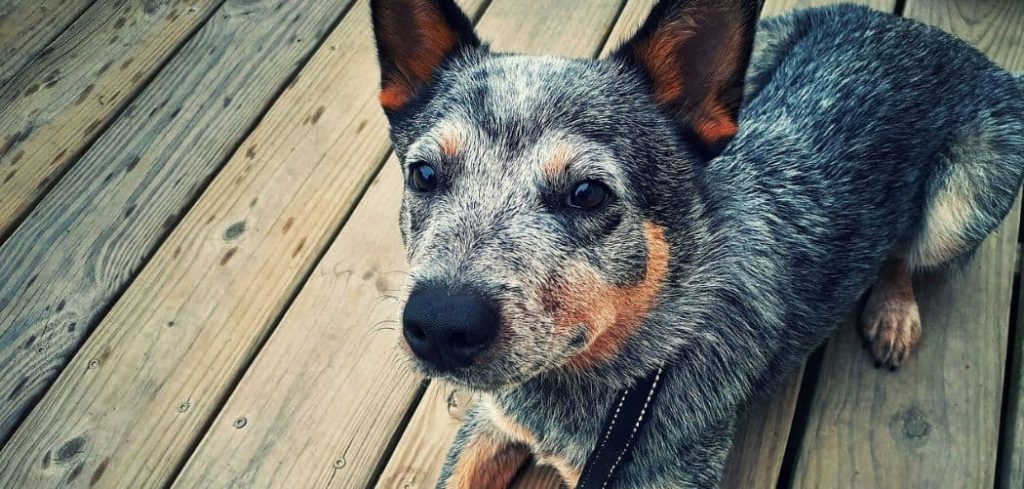
Old Dog Slimy Poop but Acting Normal: Common Causes
Mild Colonic Irritation
The colon can become mildly irritated even when a dog otherwise feels well.
This may result in a small amount of clear or whitish mucus coating an otherwise formed bowel movement. Your dog may continue eating normally and show no obvious change in energy.
If the mucus appears only once and then disappears, it may have been a temporary digestive change.
Read more: Slime or mucus in dog’s poop (Causes and when to worry)
Sudden Food Change
A recent change in food can cause mucus in an older dog’s stool. Switching foods too quickly may alter digestion and lead to softer stool, increased bowel movements, gas, or visible mucus.
Some senior dogs tolerate dietary changes less easily than they did when they were younger.
If the timing fits a recent diet change and your dog otherwise feels well, the digestive system may simply be reacting to the transition.
Related: Dog pooping bloody mucus but acting normal (Here’s why)
Dietary Indiscretion
An older dog may develop slimy stool after eating something outside their normal diet.
Rich treats, table scraps, spoiled food, garbage, or food found outdoors can irritate the intestinal tract.
The resulting mucus may be temporary, and the dog may continue behaving normally.
However, eating a foreign object or potentially harmful substance is more concerning and warrants veterinary advice.
Stress-Related Intestinal Upset
Changes in routine can affect a senior dog’s digestive system. Travel, visitors, boarding, household changes, loud noises, or other stressful events may sometimes lead to temporary mucus or softer stool.
A dog with mild stress-related digestive upset may remain completely normal in other respects.
Intestinal Parasites
Parasites can affect dogs of any age, including seniors. Some intestinal parasites irritate the bowel and may cause mucus, diarrhea, increased bowel frequency, or changes in stool consistency.
A dog may still have a normal appetite and energy level, particularly early in the problem. Not seeing worms in the stool does not rule out intestinal parasites.
Food Intolerance or Sensitivity
Some senior dogs develop recurring digestive sensitivity to particular foods or ingredients.
Mucus may appear alongside gas, softer stool, or changes in bowel frequency. Your dog may otherwise remain active and comfortable.
If there is a consistent relationship between a particular food and the mucus, discuss the pattern with your veterinarian before making repeated diet changes.
Medication-Related Digestive Changes
Older dogs are more likely to take medications for chronic health conditions.
Some medications can affect the gastrointestinal tract and lead to changes in stool consistency or mucus production.
If the slimy stool began after a medication was started or changed, let your veterinarian know.
Do not stop or alter a prescribed medication without veterinary guidance.
Mild or Intermittent Colitis
Colitis can sometimes cause mucus even when a dog is otherwise acting normally.
The dog may have slightly softer stool, increased urgency, or mucus around the bowel movement without appearing sick.
Some cases resolve quickly, while recurring episodes may indicate an underlying problem that needs attention.
If mucus repeatedly returns, veterinary evaluation is appropriate.
Chronic Intestinal Inflammation
Recurring mucus can sometimes occur with longer-term inflammation of the digestive tract.
Some dogs with chronic intestinal disease have intermittent symptoms and appear completely normal between episodes.
Over time, however, they may develop diarrhea, vomiting, appetite changes, weight loss, or other digestive abnormalities.
Persistent mucus in a senior dog should therefore not be repeatedly dismissed simply because the dog seems well.
Age-Related Health Conditions
Older dogs are more likely to develop health conditions that can indirectly affect digestion.
Problems affecting the gastrointestinal tract or other organs involved in digestion can sometimes alter stool consistency or bowel habits.
However, slimy poop should not automatically be considered a normal consequence of aging.
The overall pattern and any accompanying changes are more useful than age alone.
Related: Dog pooping mucus and diarrhea (Causes and treatment)
Old Dog Slimy Poop but Acting Normal After Changing Food
If a senior dog’s slimy poop appeared shortly after changing foods, the diet change may be contributing to the intestinal upset.
A rapid transition can cause mucus, softer stool, gas, or increased bowel movements even when the dog continues eating and behaving normally.
If the mucus persists after the digestive system has had time to adjust, or if diarrhea, vomiting, appetite changes, or weight loss develop, contact your veterinarian.
Old Dog Has Slimy Poop and Diarrhea but Is Acting Normal
An older dog with slimy poop and diarrhea that is still acting normally may have irritation or inflammation of the large intestine, commonly associated with colitis.
Sudden dietary changes, eating unusual food, food intolerance, stress, or intestinal parasites can cause the bowel to produce excess mucus and loose stool.
Normal energy and appetite are reassuring, but they do not rule out an early infection or another digestive problem.
Ensure fresh water is available and monitor the frequency and consistency of the diarrhea. Contact your veterinarian if it persists, recurs, or worsens.
Seek immediate care if vomiting, blood in the stool, reduced appetite, abdominal pain, or weakness develops, as older dogs can become dehydrated more easily.
Old Dog Has Slimy Poop and Blood but Is Acting Normal
An older dog with slimy poop and blood that is still acting normally may have inflammation of the colon, which can cause mucus and small amounts of bright red blood to appear in the stool.
Dietary irritation, parasites, infections, and chronic intestinal disease are possible causes.
Although normal behavior is reassuring, it does not exclude gastrointestinal bleeding or a developing illness.
Contact your veterinarian promptly for advice, particularly if the blood recurs or the stool becomes increasingly loose.
Seek urgent veterinary care if there is substantial bleeding, repeated bloody diarrhea, black and tarry stool, vomiting, pale gums, or weakness. Do not assume the problem is harmless simply because your dog is still active.
Old Dog Slimy Poop but Acting Normal and Not Eating
An older dog with slimy poop that is acting normally but refusing food may have digestive discomfort, nausea, or inflammation affecting the intestines.
Dietary changes, food intolerance, parasites, and other gastrointestinal conditions can cause excess mucus in the stool.
Loss of appetite may also result from dental pain, medication effects, or an underlying illness unrelated to the digestive symptoms.
Although normal behavior is encouraging, a reduced appetite alongside abnormal stool deserves attention in a senior dog.
Contact your veterinarian if your dog continues refusing food or misses more than one meal, especially if this is unusual.
Seek immediate care if vomiting, bloody diarrhea, abdominal pain, weakness, or dehydration develops.
Related: Dog Pooping Mucus and Blood and Throwing Up (Common causes)
When to Call or Visit the Vet
Contact your veterinarian if your old dog’s slimy poop continues for more than a short period, repeatedly returns, or becomes more pronounced.
Veterinary attention is particularly important if you notice:
Mucus appearing repeatedly
Increasing amounts of mucus
Persistent or severe diarrhea
Blood in the stool
Black or tar-like stool
Vomiting
Reduced or absent appetite
Unexplained weight loss
Lethargy or weakness
Abdominal pain or swelling
Signs of dehydration
Frequent straining to poop
A significant change in normal bowel habits
Seek urgent veterinary care if your senior dog becomes severely weak, collapses, repeatedly vomits, develops severe abdominal pain, or appears seriously ill.
Old Dog Slimy Poop but Acting Normal: Treatment
Veterinary treatment is directed at the underlying cause and may involve appropriate dietary management, supportive care for gastrointestinal upset, parasite treatment, management of intestinal inflammation or infection, medication adjustments when medically appropriate, or disease-specific treatment for an underlying gastrointestinal condition.
Key Takeaway
Old dog slimy poop but acting normal is not necessarily a sign of serious illness. A small amount of mucus can occur when the colon is mildly irritated, particularly after a food change, dietary indiscretion, stress, or another temporary digestive disturbance.
The fact that your senior dog is eating, drinking, and behaving normally is reassuring, but it does not rule out an underlying gastrointestinal problem.
If the mucus repeatedly appears, becomes heavier, or is accompanied by diarrhea, blood, vomiting, poor appetite, weight loss, or weakness, your veterinarian should assess the change.
Monitor your dog’s stool over the next several bowel movements and pay attention to appetite, energy, hydration, and weight.
Persistent or recurring mucus in an older dog is worth discussing with your veterinarian even when the dog otherwise seems perfectly normal.