
Slimy poop and diarrhea in an older dog can be upsetting, both for you and for your dog. Senior dogs don’t bounce back from digestive trouble the way younger dogs do, so it’s natural to want to know what’s going on and how serious it might be.
The most important thing to know is that a short bout of loose, mucus-coated stool in an otherwise bright, eating dog is often mild.
But diarrhea that lasts more than a day or two, or that comes with blood, vomiting, weight loss, or unusual tiredness, needs a call to your vet. Older dogs can become dehydrated quickly, so waiting too long carries real risk.
We explain what slimy diarrhea looks like, which warning signs call for a vet visit, what you can do at home to help, and what your vet may recommend
Table of Contents
Old Dog Slimy Poop and Diarrhea: Why It Happens
An older dog with slimy poop and diarrhea may have inflammation or irritation of the large intestine, a condition commonly associated with colitis. The mucus is produced by the intestinal lining when it becomes irritated.
Possible triggers include sudden dietary changes, eating unusual food, food intolerance, stress, intestinal parasites, or infections.
In senior dogs, chronic gastrointestinal disease and other underlying health conditions may also contribute to persistent changes in stool.
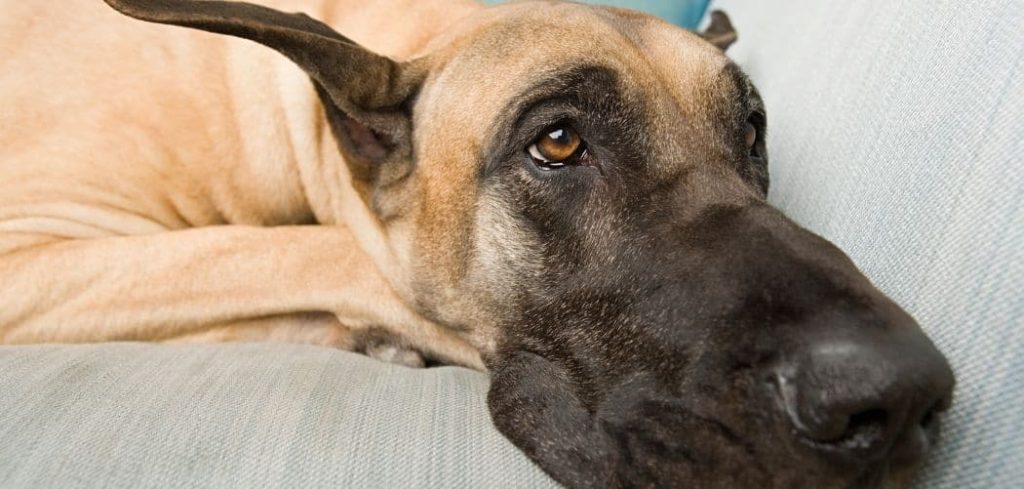
What Does Old Dog Slimy Poop and Diarrhea Look Like?
Slimy poop and diarrhea in an older dog typically appear as loose or watery stool coated with a shiny, slippery layer of mucus.
The mucus may be clear, whitish, or yellowish and can appear as jelly-like strands mixed with the feces.
The stool may also be unusually frequent, smaller in volume, or accompanied by straining as the dog tries to empty its bowels. These changes often occur when the large intestine becomes irritated or inflamed, such as with colitis.
In some cases, the stool may contain bright red blood, suggesting bleeding in the lower digestive tract, while black, tarry stool may indicate digested blood.
Although mild digestive upset can cause mucus and diarrhea, persistent symptoms in an older dog warrant veterinary assessment, especially if accompanied by vomiting, reduced appetite, weight loss, or weakness.
Old Dog Slimy Poop and Diarrhea: Common Causes
Colitis
Colitis, or inflammation of the colon, is a common reason an older dog may pass mucus with diarrhea.
A dog with colitis may have frequent urges to poop, pass small amounts of loose stool, strain, and produce visible mucus. Fresh red blood can sometimes appear as well.
Some cases resolve relatively quickly, while recurrent colitis may require veterinary evaluation to determine what is triggering the inflammation.
Read more: Slime or mucus in dog’s poop (Causes and when to worry)
Sudden Food Change
A change in diet can upset a senior dog’s digestive system.
Switching foods too quickly, introducing new treats, or changing the amount or type of food can result in diarrhea, gas, and increased mucus production.
Older dogs may also have less tolerance for abrupt dietary changes than they once did. Gradual food transitions are generally easier on the digestive tract.
Dietary Indiscretion
Eating something unusual can cause diarrhea and mucus in an older dog.
Table scraps, rich foods, spoiled food, garbage, unfamiliar treats, or things found outdoors can irritate the intestines. A dog may develop loose stool while still appearing relatively normal initially.
If your dog may have eaten a toxic substance, foreign object, or large quantity of something unusual, contact your veterinarian immediately.
Related: Dog pooping bloody mucus but acting normal (Here’s why)
Intestinal Parasites
Parasites can cause intestinal irritation and diarrhea in dogs of any age.
Some infections may cause mucus, frequent bowel movements, weight loss, reduced appetite, or other digestive symptoms.
Older dogs can still become infected even if they have not had parasite problems previously.
Not seeing worms in the stool does not rule out an intestinal parasite infection.
Gastrointestinal Infection
Infections affecting the digestive tract can cause diarrhea and increased mucus production.
Depending on the cause, your senior dog may also develop vomiting, fever, reduced appetite, lethargy, or dehydration.
Because older dogs may be less able to tolerate significant fluid loss, persistent or severe diarrhea should be taken seriously.
Medication-Related Diarrhea
Senior dogs commonly take medications for chronic conditions, and some medications can affect the gastrointestinal tract.
Antibiotics, for example, may alter intestinal bacteria and cause diarrhea in some dogs. Other medications can also contribute to digestive upset.
If the diarrhea started after beginning or changing a medication, tell your veterinarian. Do not stop a prescribed medication on your own.
Food Intolerance or Dietary Sensitivity
Some older dogs develop digestive sensitivity to particular foods or ingredients.
This can lead to recurring diarrhea, mucus, gas, or changes in bowel habits. Your dog may otherwise appear healthy between episodes.
A repeated connection between a particular food and digestive symptoms is worth discussing with your veterinarian before making major dietary changes.
Stress-Related Intestinal Upset
Stress can affect the gastrointestinal tract even in older dogs.
Travel, visitors, boarding, changes in the household, loud events, or disruptions to a familiar routine can sometimes trigger diarrhea and mucus.
Stress may contribute to a short-lived episode, but persistent diarrhea should not automatically be attributed to stress.
Chronic Intestinal Inflammation
Recurring diarrhea with mucus can sometimes occur with chronic inflammation of the digestive tract.
Some dogs experience intermittent diarrhea, mucus, vomiting, appetite changes, gas, or weight loss. They may appear normal between episodes.
If an older dog repeatedly develops slimy diarrhea, veterinary evaluation can help determine whether there is an ongoing gastrointestinal problem.
Pancreatic or Other Digestive Disorders
Problems involving the pancreas or other organs involved in digestion can sometimes cause persistent changes in bowel movements.
Depending on the condition, an older dog may develop diarrhea, vomiting, changes in appetite, abdominal discomfort, weight loss, or altered stool characteristics.
Slimy diarrhea by itself does not indicate a pancreatic disorder, but persistent digestive changes in a senior dog should not be ignored.
More Serious Intestinal Disease
Less commonly, ongoing diarrhea and mucus can occur with more significant intestinal disease.
Polyps, growths, severe inflammation, or other gastrointestinal disorders can affect bowel movements, particularly in older dogs.
These possibilities become more important when diarrhea persists or occurs with weight loss, blood, poor appetite, vomiting, or declining energy.
The appearance of slimy diarrhea alone cannot determine whether a serious condition is present.
Related: Dog pooping mucus and diarrhea (Causes and treatment)
Old Dog Slimy Poop and Diarrhea but Acting Normal
An older dog with slimy poop and diarrhea that is still acting normally may have mild irritation or inflammation of the large intestine, commonly associated with colitis.
Dietary changes, eating unusual food, food intolerance, stress, or intestinal parasites can cause excess mucus and loose stool.
Normal energy and appetite are reassuring, but they do not rule out an early infection or another digestive problem.
Ensure fresh water is available and monitor the stool and your dog’s appetite.
Contact your veterinarian if the diarrhea persists, recurs, or worsens. Seek prompt care if blood, vomiting, abdominal pain, reduced appetite, or weakness develops, as older dogs can become dehydrated more easily.
Old Dog Slimy Poop and Diarrhea With Blood
Slimy poop, diarrhea, and blood in an older dog can indicate inflammation of the colon, which may occur with colitis, intestinal parasites, infections, or dietary irritation.
Bright red blood often comes from the lower digestive tract, while mucus reflects irritation of the intestinal lining. More serious intestinal disease can also cause these symptoms.
Contact your veterinarian promptly, even if the dog is still active.
Seek urgent care if there is substantial blood, repeated bloody diarrhea, black and tarry stool, pale gums, vomiting, or weakness. These signs may indicate significant bleeding or a more serious illness that requires immediate assessment.
Old Dog Slimy Poop and Diarrhea With Vomiting
An older dog with slimy poop, diarrhea, and vomiting may have more significant gastrointestinal irritation or illness.
Possible causes include dietary indiscretion, food intolerance, intestinal parasites, infection, pancreatitis, or another digestive disorder.
Vomiting and diarrhea together can cause dehydration and electrolyte imbalances, which may be particularly concerning in senior dogs.
Contact a veterinarian promptly, especially if vomiting occurs more than once or the dog struggles to keep water down.
A swollen or painful abdomen, blood in the vomit or stool, marked weakness, or collapse requires urgent veterinary care. Do not give human medications without veterinary guidance.
Old Dog Slimy Poop and Diarrhea With Not Eating
An older dog with slimy poop, diarrhea, and loss of appetite may be experiencing nausea, abdominal discomfort, or an underlying gastrointestinal illness.
Colitis, parasites, infections, food intolerance, and pancreatitis are possible causes. Other age-related health problems may also affect appetite and digestion, so the symptoms should not automatically be attributed to a dietary upset.
Contact your veterinarian immediately if your dog refuses food, particularly if the appetite loss continues or is unusual for them.
Seek urgent care if vomiting, bloody diarrhea, abdominal pain, weakness, or dehydration develops. Ensure fresh water is available, but do not force food or give medications without veterinary advice.
Old Dog Slimy Poop and Diarrhea With Weight Loss
Slimy poop, diarrhea, and weight loss in an older dog may indicate a persistent digestive problem that interferes with nutrient absorption.
Possible causes include chronic intestinal inflammation, food intolerance, intestinal parasites, pancreatic disorders, or other underlying illnesses.
Even if the dog continues eating and behaving normally, ongoing weight loss suggests that the problem may be affecting its health beyond a temporary episode of diarrhea.
Arrange a veterinary examination to investigate the cause. Your veterinarian may recommend stool testing, blood tests, and other investigations based on the dog’s symptoms.
Seek more urgent care if weight loss occurs alongside repeated vomiting, blood in the stool, poor appetite, dehydration, or increasing weakness.
Related: Dog Pooping Mucus and Blood and Throwing Up (Common causes)
Old Dog Slimy Poop and Diarrhea: What to Do
If your older dog has slimy poop and diarrhea, ensure fresh water is available and monitor the frequency of bowel movements, the amount of mucus, and any changes in appetite or energy.
If the diarrhea is mild and your dog remains comfortable, alert, and willing to eat and drink, monitor closely while seeking veterinary advice if it continues.
Avoid giving human antidiarrheal medications or making sudden dietary changes without veterinary guidance.
Because older dogs may have underlying health conditions, contact your veterinarian if the diarrhea persists, recurs, or worsens.
When to Call or Visit the Vet
Contact your veterinarian if your old dog’s slimy diarrhea persists, becomes frequent, or keeps returning.
Veterinary attention is particularly important if you notice:
Frequent or severe watery diarrhea
Blood in the stool
Black or tar-like stool
Repeated vomiting
Loss of appetite
Marked lethargy or weakness
Signs of dehydration
Abdominal pain or swelling
Unexplained weight loss
Fever
Frequent straining to poop
A significant change in normal bowel habits
Symptoms that are worsening rather than improving
Seek urgent veterinary care if your senior dog becomes severely weak, collapses, repeatedly vomits, develops severe abdominal pain, or cannot keep fluids down.
Old Dog Slimy Poop and Diarrhea: Treatment
Veterinary treatment is directed at the underlying cause and may involve supportive care for diarrhea and dehydration, appropriate dietary management, parasite treatment, management of gastrointestinal inflammation or infection, medication adjustments when medically appropriate, or disease-specific treatment for an underlying intestinal or digestive condition.
Key Takeaway
Old dog slimy poop and diarrhea commonly indicate irritation of the intestinal tract, particularly the colon. Dietary changes, dietary indiscretion, colitis, parasites, infections, medications, stress, and chronic gastrointestinal conditions can all be associated with this pattern.
If your senior dog remains bright, hydrated, and interested in food, a short episode may resolve as the digestive system settles.
However, persistent or recurring diarrhea should not simply be attributed to old age, especially when mucus is accompanied by blood, vomiting, poor appetite, weight loss, weakness, or abdominal pain.
Keep track of how often your dog is passing stool, whether the diarrhea is becoming more or less severe, and whether appetite and energy remain normal.
If the diarrhea continues or your senior dog develops additional symptoms, contact your veterinarian.