
As dogs age, you may start noticing subtle changes in their eyes — cloudiness, slower responses to light, or even an irregular pupil shape.
Understanding what’s behind these changes, when it’s normal, and when to see your vet can help you keep your senior pup comfortable and healthy.
This guide covers everything you need to know about pupil shape changes in senior dogs — causes, symptoms, management, and how to protect your furry friend’s eyesight as they grow older.
Table of Contents
Understanding Your Dog’s Pupil and Iris
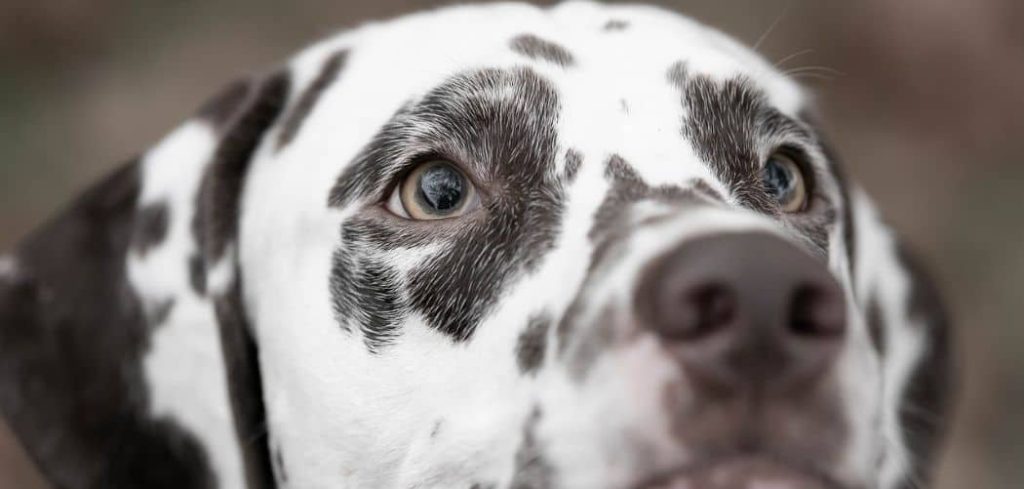
The pupil is the black circular opening in your dog’s eye that controls how much light enters. It expands (dilates) in the dark and contracts (shrinks) in bright light, helping dogs see clearly in varying conditions.
Surrounding the pupil is the iris, which is the colorful part of the eye. The iris is a muscle that controls the pupil’s size — much like a camera aperture. When the iris works properly, the pupil changes shape smoothly in response to light.
What Is Normal Pupil Shape In Dogs?
In healthy dogs, pupils are round and equal in size. They naturally expand (dilate) in low light and constrict in bright light. This process is controlled by muscles within the iris and regulated by the nervous system.
Both pupils should respond equally to changes in light. Minor differences can occur briefly, but persistent asymmetry or irregular shape is abnormal.
In senior dogs, mild cloudiness from lens aging may occur, but the pupil itself should remain round and reactive unless there is an underlying issue.
Why Pupil Shape Changes In Senior Dogs Matter
The eyes are closely connected to the brain through the optic nerve and complex neurological pathways. When pupil shape changes, it may signal a problem in the eye itself or within the nervous system.
Because aging increases the risk of glaucoma, cataracts, nerve damage, tumors, and metabolic disease, abnormal pupil shape in an older dog should always be investigated.
The key questions to ask include:
Are the pupils unequal in size?
Is one pupil oddly shaped or irregular?
Does the pupil respond to light?
Is your dog showing vision changes or discomfort?
Answering these questions helps narrow down potential causes.
Related: Old Dog Eyes (Common Senior Dog Eye Issues)
Common Causes Of Old Dog Pupil Shape Changes
Cataracts
Cataracts are extremely common in senior dogs. They occur when the lens inside the eye becomes cloudy, interfering with light passage.
While cataracts primarily affect vision rather than pupil shape directly, advanced cataracts can alter how the pupil appears through the cloudy lens. In some cases, the pupil may look distorted due to internal changes within the eye.
Dogs with cataracts often show signs of vision loss, such as bumping into objects or hesitating in dim light.
Cataracts typically develop gradually and are usually not painful, but they can lead to secondary complications like inflammation or glaucoma.
Glaucoma
Glaucoma is a serious and often painful condition caused by increased pressure within the eye. As fluid builds up, it damages internal structures.
An old dog pupil shape change caused by glaucoma may include a dilated pupil that does not respond properly to light. The eye may appear enlarged, red, or cloudy.
Glaucoma can develop rapidly and lead to permanent blindness if untreated. Dogs with glaucoma often show signs of discomfort, such as squinting or pawing at the eye. Immediate veterinary attention is essential.
Related: Old dog eyes moving back and forth (Why it happens)
Uveitis
Uveitis refers to inflammation of the middle layer of the eye. This condition can result from infection, trauma, immune-mediated disease, or systemic illness.
Inflammation may cause the pupil to become constricted or irregularly shaped. The eye may appear red, sensitive to light, or watery.
In older dogs, uveitis can sometimes be linked to underlying disease such as cancer or metabolic disorders. Because inflammation inside the eye can damage vision, prompt diagnosis is critical.
Iris Atrophy
Iris atrophy is a common age-related condition in senior dogs. Over time, the muscle fibers within the iris weaken and thin.
As the iris deteriorates, small holes or irregularities may appear, giving the pupil an uneven or scalloped edge. Unlike glaucoma or uveitis, iris atrophy is typically not painful and does not significantly impair vision.
However, it can make the pupil appear misshapen or unusually large in bright light.
Neurological Disorders
Changes in pupil shape or size can reflect problems in the brain or nervous system. Conditions such as brain tumors, strokes, or nerve damage can disrupt the signals that control pupil dilation and constriction.
An old dog pupil shape abnormality caused by neurological disease may present as unequal pupils (anisocoria), one pupil fixed in dilation, or abnormal eye movement.
Other neurological signs may include head tilt, balance issues, confusion, or seizures.
Trauma
Injury to the eye or surrounding structures can damage the iris or nerves controlling pupil function.
Even minor trauma, such as a scratch or blunt impact, can alter pupil shape temporarily or permanently.
If trauma is suspected, immediate veterinary evaluation is necessary to prevent complications.
Horner’s Syndrome
Horner’s syndrome is a neurological condition affecting the sympathetic nerves to the eye. It typically causes one pupil to appear smaller than the other.
Other signs include drooping eyelid and sunken eye appearance.
In senior dogs, Horner’s syndrome may be linked to nerve damage or tumors along the nerve pathway.
Cancer
Certain types of cancer can affect the eye directly or indirectly. Tumors inside the eye may distort pupil shape, while brain tumors may disrupt nerve control.
Because cancer risk increases with age, unexplained pupil changes should be investigated thoroughly.
When Is It An Emergency?
Seek immediate veterinary care if you notice:
Sudden unequal pupil sizes
A pupil that does not respond to light
Redness, swelling, or discharge
Signs of pain such as squinting
Sudden vision loss
Neurological symptoms
Rapid onset of symptoms often indicates glaucoma, uveitis, or a neurological emergency.
Diagnosis and Treatment
Diagnosis begins with a detailed eye examination. The veterinarian assesses pupil response to light, checks eye pressure, and examines internal eye structures using specialized instruments.
If neurological involvement is suspected, additional tests such as bloodwork or imaging (MRI or CT scan) may be recommended.
Because pupil abnormalities can reflect systemic disease, comprehensive evaluation ensures accurate treatment.
Treatment depends entirely on the underlying cause. Glaucoma requires medication to reduce eye pressure. Uveitis may be treated with anti-inflammatory drugs.
Cataracts may require surgical intervention in advanced cases. Neurological conditions require targeted management depending on diagnosis.
Iris atrophy, being age-related, often requires no treatment.
Helping Your Senior Dog Live Comfortably with Eye Changes
Dogs rely heavily on smell and hearing, so even with reduced vision, most adapt remarkably well. It is important to keep your dog’s environment safe to prevent injury if vision declines. You can make life easier for your aging friend by:
- Maintaining consistent furniture layouts to prevent confusion
- Using sound cues, such as calling their name or snapping fingers, when guiding them
- Avoiding sharp corners or obstacles in frequently used spaces
- Using soft lighting at night to prevent disorientation
With thoughtful support, dogs with iris atrophy or other age-related eye changes live full, happy lives.
Key Takeaway
Changes in an old dog’s pupil shape are never something to ignore. While some causes, like iris atrophy, are harmless signs of aging, others may signal serious eye or neurological disease.
The key is careful observation and prompt veterinary evaluation. If you notice uneven pupils, irregular shape, or vision changes in your senior dog, schedule an appointment immediately.
With timely diagnosis and appropriate treatment, many underlying causes can be managed effectively, helping your aging companion maintain comfort and visual function throughout their golden years.


