
As dogs grow older, sudden confusion, wandering, pacing, staring at walls, and changes in sleep patterns can be frightening for dog owners.
Dog owners often wonder whether “old dog syndrome” shortens a dog’s lifespan and what can be done to help a senior dog stay comfortable and happy for as long as possible.
Table of Contents
What Is Old Dog Syndrome?
“Old dog syndrome” is a common nickname for canine cognitive dysfunction, a condition similar to human dementia. It mainly affects senior dogs and develops gradually as the brain ages.
Dogs with this condition may become confused, forget routines, wander aimlessly, stare into corners, bark for no clear reason, or seem less interested in family interactions.
The condition can range from mild to severe. Some dogs only show small behavioral changes for years, while others decline more quickly and struggle with daily activities.
The progression often depends on the dog’s overall health, age, underlying medical conditions, and how early treatment and supportive care begin.
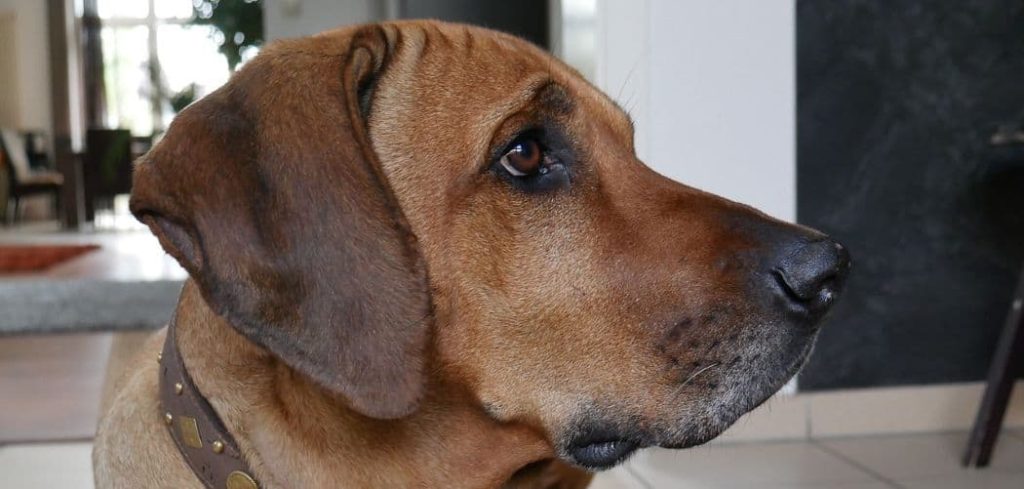
Is Old Dog Syndrome Common in Senior Dogs?
“Old Dog Syndrome” is a general term often used to describe a group of age-related health and cognitive changes seen in senior dogs.
While it is not a single medical diagnosis, the conditions it refers to—such as cognitive decline, reduced mobility, sensory loss, and chronic disease—are very common in aging dogs.
Most senior dogs will show at least some signs of aging-related decline over time. The severity varies widely, with some dogs only experiencing mild changes while others develop more noticeable physical and behavioral challenges that affect daily living.
Symptoms of Old Dog Syndrome
Signs of old dog syndrome can appear gradually and may initially be mistaken for normal aging. Common symptoms include:
Pacing or wandering aimlessly
Staring at walls or corners
Getting stuck behind furniture
Confusion in familiar places
Changes in sleep patterns
Increased nighttime barking or whining
Forgetting house training
Reduced interaction with family
Anxiety or clinginess
Decreased response to commands
Restlessness at night
Loss of interest in play or activities
Some dogs show only a few symptoms at first, while others develop several behavioral changes over time.
Is Old Dog Syndrome an Emergency?
Old dog syndrome itself is not usually an emergency, but sudden or severe changes should never be ignored.
Rapid confusion, collapse, seizures, inability to walk, refusal to eat, or sudden disorientation can indicate a more serious medical problem.
Dogs that suddenly seem extremely confused may actually be experiencing strokes, infections, toxin exposure, severe pain, or metabolic diseases.
Immediate veterinary attention is important if symptoms appear suddenly or worsen quickly.
Old Dog Syndrome Life Expectancy
Many dogs with old dog syndrome can still live months or even years after diagnosis. The condition itself is not usually immediately fatal, but it can affect quality of life and may worsen alongside other age-related diseases.
Life expectancy varies greatly from dog to dog. Some senior dogs with mild cognitive decline continue living comfortably with proper care, medications, mental stimulation, and routine adjustments.
Others may experience faster deterioration, especially if they also have arthritis, heart disease, kidney disease, cancer, or severe mobility problems.
In general, dogs diagnosed early and supported with consistent care tend to maintain a better quality of life for longer. While there is no cure for canine cognitive dysfunction, treatment can often slow progression and improve comfort.
Related: Old Dog Heart Murmur Life Expectancy: What to Expect
How Old Dog Syndrome Affects Daily Life
Old Dog Syndrome can significantly impact a dog’s daily routine and independence. Simple activities such as walking, eating, going outside, or interacting with family may become more difficult or require assistance.
Dogs may become slower, less responsive, or more easily confused in familiar environments.
Some may experience disrupted sleep patterns, restlessness at night, or increased dependence on their owners for comfort and guidance.
While many dogs continue to enjoy life, their ability to function normally often declines gradually, requiring adjustments in care and environment.
Stages and Progression of Old Dog Syndrome
Old Dog Syndrome typically progresses gradually rather than appearing suddenly, although some symptoms may become more noticeable over time.
In early stages, dogs may show mild slowing down, slight confusion, reduced hearing or vision, and changes in sleep patterns.
In moderate stages, symptoms often include disorientation, difficulty moving, incontinence, increased anxiety, and reduced interest in activities.
In advanced stages, dogs may struggle with walking, recognizing familiar people, eating normally, or maintaining awareness of their surroundings.
The progression depends on the underlying conditions contributing to the syndrome and how well they are managed.
Old Dog Syndrome: Treatment
Veterinary treatment focuses on managing symptoms, slowing progression where possible, and improving comfort rather than curing the condition.
The veterinarian may conduct diagnostic tests to identify underlying diseases such as arthritis, organ dysfunction, or cognitive decline.
Treatment can include pain management, joint support medication, cognitive support drugs, dietary changes, and supplements designed for senior health. In some cases, treatment also addresses anxiety, sleep disturbances, or sensory loss.
Regular checkups are important to adjust care plans as the dog’s condition changes over time.
Can Dogs Live Comfortably With Old Dog Syndrome?
Yes, many dogs can live comfortably with Old Dog Syndrome, especially when symptoms are mild to moderate and well-managed.
With proper care, medication, and environmental adjustments, dogs may continue enjoying affection, routine activities, and a good quality of life for months or even years.
Comfort largely depends on how advanced the condition is and how effectively symptoms such as pain, confusion, or mobility issues are controlled.
While limitations may increase with age, many dogs still experience meaningful and happy lives.
Home Care for Old Dog Syndrome
Home care plays a major role in improving comfort and quality of life for dogs with Old Dog Syndrome. Creating a safe, predictable environment helps reduce confusion and anxiety.
Soft bedding, non-slip flooring, easy access to food and water, and minimizing obstacles can support mobility and safety.
Maintaining a consistent routine for feeding, walks, and rest also helps reduce stress.
Gentle exercise, mental stimulation, and calm reassurance from the owner can help the dog stay engaged and comfortable despite age-related changes.
Recovery and Monitoring
Old dog syndrome is progressive, meaning symptoms often worsen gradually over time. However, many dogs continue enjoying life with proper management and supportive care.
Regular veterinary checkups are important because senior dogs often develop multiple health conditions simultaneously. Monitoring appetite, weight, mobility, sleep patterns, and behavior helps determine whether treatment adjustments are needed.
Quality of life should always remain the primary focus. Dogs that continue eating, interacting with family, enjoying gentle activities, and resting comfortably can often maintain a good quality of life even with cognitive dysfunction.
End-Stage Signs of Old Dog Syndrome
In end-stage Old Dog Syndrome, dogs may experience significant physical and cognitive decline that affects their ability to function independently.
Common signs include severe weakness, inability to walk or stand, loss of bladder and bowel control, profound confusion, lack of response to familiar people, and reduced appetite or refusal to eat.
Some dogs may also show increased restlessness or appear lost even in familiar surroundings.
At this stage, care often shifts toward comfort-focused support and ensuring the dog remains as peaceful and pain-free as possible.
Related: Old dog behavior before death (What to expect)
Key Takeaway
Old dog syndrome can be emotionally difficult for families, especially when behavioral changes become more noticeable over time.
While the condition may affect life expectancy indirectly through declining health and quality of life, many dogs continue living comfortably for months or years with proper care and veterinary support.
Early recognition, consistent routines, treatment of underlying medical issues, and compassionate management can make a significant difference.
If your senior dog is showing signs of confusion, pacing, nighttime anxiety, or memory changes, a veterinary evaluation can help determine the best plan for maintaining comfort and quality of life.


