
Seeing an older dog suddenly lose balance, tilt their head, fall over, or struggle to walk can be extremely alarming.
It is normal to fear the worst when these symptoms appear and immediately wonder whether vestibular disease is life-threatening or how long a dog may live afterward.
Table of Contents
What Is Old Dog Vestibular Disease?
Vestibular disease is a condition that affects a dog’s balance system, which includes parts of the inner ear and brain responsible for coordination and spatial awareness.
The condition is especially common in senior dogs and is often referred to as “old dog vestibular disease” or “geriatric vestibular syndrome.”
Dogs with vestibular disease may suddenly develop a head tilt, lose balance, walk in circles, stumble, fall, or experience rapid eye movements called nystagmus.
The symptoms can appear suddenly and dramatically, making the condition look similar to a stroke.
In many cases, dogs improve significantly within days or weeks, although some may retain a permanent mild head tilt.
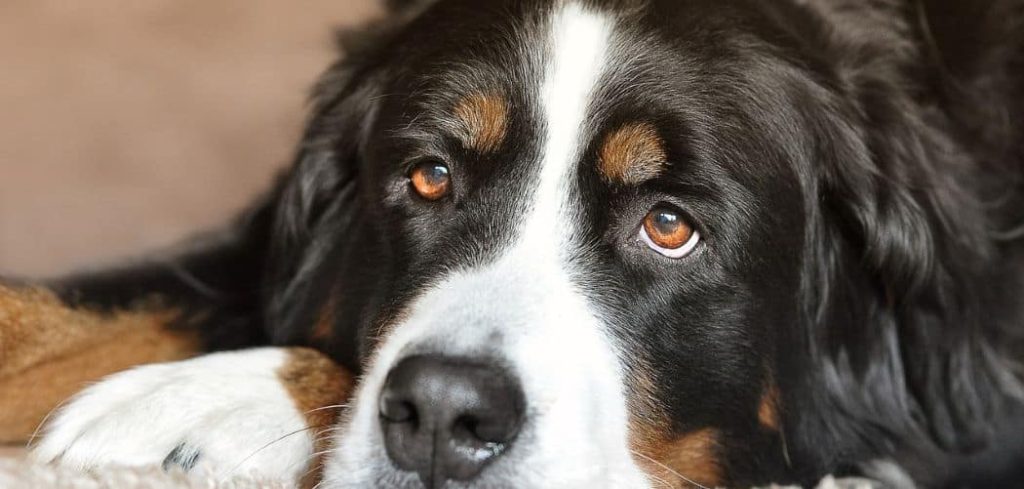
Is Vestibular Disease Common in Senior Dogs?
Yes, vestibular disease is relatively common in senior dogs and is one of the more frequent neurological conditions seen in older dogs.
Many cases occur in aging dogs without a clearly identifiable cause, often referred to as idiopathic vestibular disease or “old dog vestibular syndrome.”
While the condition can look alarming, especially because symptoms often appear suddenly, many dogs improve significantly with supportive care and time.
Read more: Old Dog Vestibular Disease (Causes and treatment)
Is Vestibular Disease an Emergency?
Yes, sudden balance problems and neurological symptoms should always be treated as urgent. Vestibular disease itself is not always life-threatening, but symptoms can resemble strokes, seizures, toxin exposure, or serious brain disorders.
Seek veterinary attention immediately if your dog suddenly develops:
Collapse
Severe head tilt
Inability to stand
Rapid eye movements
Seizures
Extreme disorientation
Persistent vomiting
Difficulty breathing
Immediate evaluation helps rule out more dangerous conditions and allows supportive treatment to begin quickly.
Old Dog Vestibular Disease Life Expectancy
Many dogs with idiopathic vestibular disease, meaning no serious underlying cause is identified, can live normal or near-normal lifespans after recovery.
Symptoms are often most severe during the first 24 to 72 hours and then gradually improve with supportive care.
Some senior dogs recover almost completely within a few weeks, while others continue to experience mild balance problems or head tilts long-term. The condition itself is not always fatal, especially in uncomplicated cases.
However, life expectancy may be shorter if vestibular symptoms are caused by brain tumors, severe ear infections, strokes, inflammatory diseases, or advanced neurological conditions. Older dogs with multiple age-related illnesses may also have a more difficult recovery.
The dog’s ability to eat, drink, walk safely, and maintain quality of life plays a major role in long-term outlook.
Related: Old Dog Heart Murmur Life Expectancy: What to Expect
Old Dog Vestibular Disease: Treatment
Veterinary treatment for vestibular disease focuses on identifying the underlying cause, managing symptoms, and helping the dog remain comfortable during recovery.
The veterinarian may perform physical and neurological exams, blood tests, ear examinations, and imaging such as MRI or CT scans if a more serious brain disease is suspected.
Treatment often includes anti-nausea medication, fluids for dehydration, supportive care, and treatment of infections or underlying illnesses if present.
Many dogs improve within days to weeks with proper care, although recovery speed varies depending on age, severity, and the cause of the condition.
Home Care
Home care is very important for helping an old dog recover safely from vestibular disease. Dogs with balance problems should be kept in a quiet, calm area away from stairs, slippery floors, or sharp furniture edges that could cause injury during falls.
Soft bedding, non-slip mats, and assistance when walking or eating may help reduce stress and prevent accidents.
Many dogs also benefit from hand-feeding, easy access to water, and frequent reassurance while they recover from dizziness and confusion.
Limiting sudden movement and maintaining a predictable routine can help senior dogs feel more secure during recovery.
Can Old Dogs Recover From Vestibular Disease?
Yes, many old dogs recover well from vestibular disease, especially cases linked to idiopathic “old dog vestibular syndrome.”
Even though the condition can appear sudden and frightening, many dogs regain much of their balance and mobility with supportive care and time.
Recovery outcomes are usually better when symptoms are caused by temporary inflammation or age-related vestibular dysfunction rather than serious brain disease or tumors.
Some dogs may still retain mild residual symptoms, but they can often continue living comfortable and happy lives after recovery.
Quality of Life Considerations
Quality of life depends on how well the dog can function and whether symptoms improve over time. Dogs that can eat, rest comfortably, interact with family, and move safely with support often maintain a good quality of life during recovery.
However, persistent inability to stand, severe confusion, chronic vomiting, repeated falling, refusal to eat, or ongoing distress may indicate that the condition is becoming harder to manage.
Monitoring daily comfort, mobility, appetite, and emotional well-being helps owners and veterinarians determine whether treatment is still providing meaningful benefit.
Key Takeaway
Old dog vestibular disease can appear terrifying because symptoms often develop suddenly and dramatically.
Fortunately, many dogs recover well and continue living comfortably for months or years, especially when the condition is idiopathic and supportive care begins quickly.
Life expectancy depends on the underlying cause, the dog’s overall health, and recovery progress. If your senior dog suddenly develops balance problems, head tilt, or dizziness, immediate veterinary evaluation is important to rule out serious conditions and provide the best possible care.


