
When an old dog starts pooping and peeing in the house, it can be confusing and upsetting for dog parents.
This change in behavior often signals underlying health or age-related issues rather than misbehavior.
We outline the reasons why old dogs may start pooping and peeing in the house, what you can do and when veterinary attention is necessary.
Table of Contents
Old Dog Pooping and Peeing in House: Why It Happens
An old dog pooping and peeing in the house usually happens because of medical conditions, mobility issues, or cognitive decline.
Common culprits include urinary tract infections, incontinence, arthritis that makes it hard to reach the door, or dementia that causes confusion about house training.
Some dogs also lose bowel or bladder control as they age due to muscle weakening or chronic illness.
While accidents can be frustrating, they are almost always linked to a health concern that deserves compassionate care.
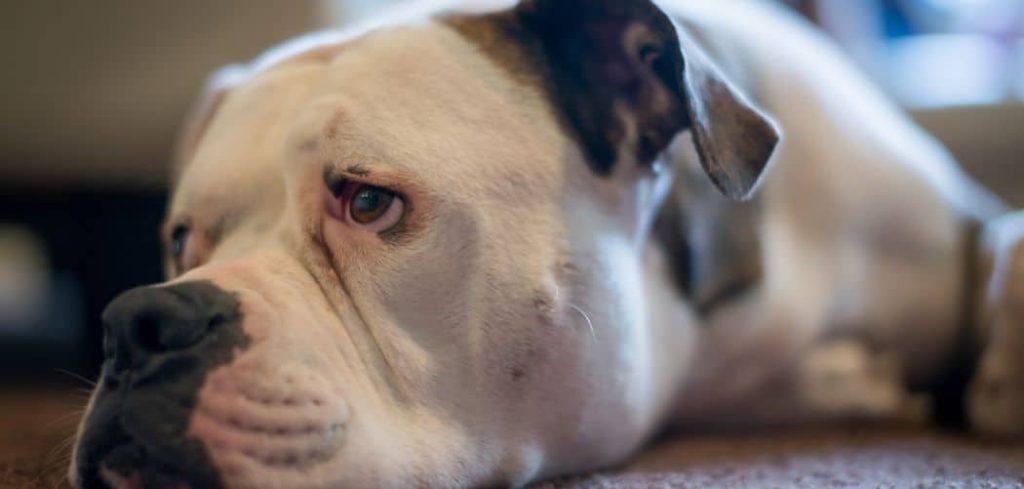
Old Dog Suddenly Pooping and Peeing in the House
An old dog that suddenly starts pooping and peeing in the house should be evaluated by a veterinarian, as this behavior is often caused by an underlying medical condition rather than simply old age.
Possible causes include urinary tract infections, kidney disease, diabetes, gastrointestinal illness, arthritis that makes it difficult to get outside, spinal or nerve disorders, hormonal imbalances, or canine cognitive dysfunction (dog dementia).
Sudden accidents are especially concerning if your dog was previously house-trained.
Monitoring your dog’s appetite, water intake, mobility, and behavior can help your veterinarian identify the underlying cause.
Old Dog Pooping and Peeing in House: Common Causes
Urinary Tract Infections (UTIs)
Urinary tract infections are very common in older dogs and often cause sudden accidents in the house.
The infection irritates the bladder, leading to frequent, urgent urination that your dog may not be able to control.
You might notice blood in the urine, strong odors, or signs of discomfort when peeing. If untreated, UTIs can progress to kidney infections, making veterinary attention critical.
Read more: Old Dog Walks and Poops at the Same Time (What you should know)
Incontinence
As dogs age, the muscles that control urination and defecation can weaken, leading to incontinence.
An incontinent old dog may leak urine while sleeping or be unable to hold their bowels until they reach the right spot.
This is not a behavioral problem but a physical decline, and it can be managed with veterinary guidance, medications, or supportive products like doggy diapers.
Arthritis and Mobility Problems
Old dogs with arthritis or joint issues may have difficulty standing up or getting outside in time.
The pain and stiffness slow them down, and accidents may happen simply because they cannot reach the door quickly enough.
Sometimes, dogs may even avoid going outside altogether if cold weather or slippery surfaces make their pain worse, resulting in more indoor accidents.
Canine Cognitive Dysfunction (Dog Dementia)
Cognitive decline, often called dog dementia, is another major cause of house soiling in senior dogs.
Dogs with this condition may become disoriented, forget their house training, or lose the ability to signal when they need to go out.
You may also notice nighttime restlessness, confusion, or changes in personality. Cognitive dysfunction is progressive, but supportive care and medications can help slow the decline.
Related: Old Dog Syndrome (Signs, causes and treatment)
Gastrointestinal Issues
Chronic diarrhea, colitis, or other gastrointestinal issues may lead to poop accidents indoors.
Older dogs often have more sensitive digestive systems, and conditions like inflammatory bowel disease or food intolerance can make stools more urgent and harder to control.
If accidents are paired with diarrhea, mucus, or blood, prompt veterinary care is essential.
Chronic Disease
Certain chronic illnesses common in senior dogs can cause increased urination and accidents. For example, kidney disease or diabetes can make a dog drink more water, which in turn leads to frequent peeing.
Cushing’s disease may also affect bladder control. These conditions often come with other symptoms such as weight changes, lethargy, or increased appetite.
Old Dog Pooping and Peeing in the House at Night
An older dog that poops and pees in the house at night may have difficulty holding their bladder or bowels while sleeping or may be unable to reach the door in time.
Age-related muscle weakness, cognitive dysfunction, arthritis, reduced mobility, kidney disease, diabetes, or digestive disorders are common causes.
Some senior dogs also become confused at night and forget their normal bathroom routine.
Taking your dog outside immediately before bedtime, providing easy nighttime access to a bathroom area, and using washable bedding or absorbent pads can help manage accidents while the underlying cause is being treated.
What to Do If Your Old Dog Is Pooping and Peeing in the House
If your old dog is suddenly having accidents indoors, start by ruling out medical causes with your veterinarian. At home, focus on patience and observation rather than punishment—accidents are usually beyond your dog’s control.
Keep your dog on a consistent schedule with regular outdoor potty breaks, even more often than before.
Senior dogs benefit from being taken out every few hours rather than waiting for them to ask. If mobility is an issue, make potty areas more accessible by using ramps, mats, or indoor pee pads.
For dogs with mild incontinence, washable bedding and waterproof covers can help reduce stress at home. Doggy diapers may also be useful in some cases, especially overnight. Maintaining a calm, supportive environment will help your dog feel secure rather than anxious about accidents.
Learn more in our guides to the Best Dog Diapers for Senior Dogs and Best Waterproof Blankets for Senior Dogs, or explore our Senior Dog Products hub for additional recommendations.
Feeding a balanced diet that supports digestive health and monitoring water intake can also help regulate bathroom habits.
Always keep a journal of changes in urination or stool to share with your veterinarian, as this information helps narrow down the underlying cause.
When to Call or Visit Your Vet
You should call your vet if your old dog’s accidents are new, frequent, or accompanied by other symptoms like straining, blood in the urine or stool, weight loss, or changes in appetite.
These could signal infections, organ disease, or digestive disorders that need immediate treatment.
Veterinary care is urgent if your dog appears in pain, is unable to urinate, or shows sudden loss of control paired with weakness or collapse. These may be signs of serious health problems that require emergency attention.
Even if the issue seems minor, chronic pooping and peeing in the house reduces your dog’s quality of life and can be improved with medical care, medications, or management strategies. Never assume it’s just “old age”—there are often solutions that can help.
Read more: Old Dog Pooping and Peeing in House at Night (What it means)
When Should I Put My Old Dog Down for Incontinence?
Incontinence by itself is usually not a reason to euthanize an older dog. Many senior dogs with urinary or fecal incontinence continue to have a good quality of life with medication, supportive care, and environmental adjustments.
The decision is generally based on your dog’s overall well-being rather than accidents alone.
If incontinence is accompanied by severe pain, inability to stand or walk, complete loss of appetite, repeated distress, advanced dementia, or other serious medical conditions that cannot be effectively managed, it may indicate a poor quality of life.
Your veterinarian can help assess your dog’s physical comfort, daily function, and overall quality of life to determine whether continued treatment or humane euthanasia is the most compassionate option.
Key Takeaway
When an old dog begins pooping and peeing in the house, it’s usually a sign of health issues such as infections, incontinence, mobility problems, or cognitive decline.
While it can be stressful, these accidents are not your dog’s fault. With veterinary care and supportive home strategies, you can manage the problem and improve your senior dog’s comfort and dignity.
By staying attentive and compassionate, you’ll not only address the accidents but also give your old dog the best quality of life possible in their golden years.


