
When an old dog is not eating and drooling, it can be alarming for any dog owner. Loss of appetite in senior dogs is concerning on its own, but when paired with excessive drooling, it often signals an underlying health issue that needs attention.
We outline the common reasons why an old dog may not be eating and start drooling, what you can do, and when to seek veterinary care.
Table of Contents
Old Dog Not Eating and Drooling: Why It Happens
When an old dog is not eating and starts drooling, it usually points to problems in the mouth, digestive system, or internal health. Dental disease is one of the most frequent culprits, as painful teeth or gums can make eating difficult and lead to saliva buildup.
Other possibilities include nausea from gastrointestinal problems, toxins, or organ failure.
Some dogs may also drool excessively if something is lodged in their throat or mouth.
Because older dogs have weaker immune systems and reduced resilience, these issues can quickly become serious.
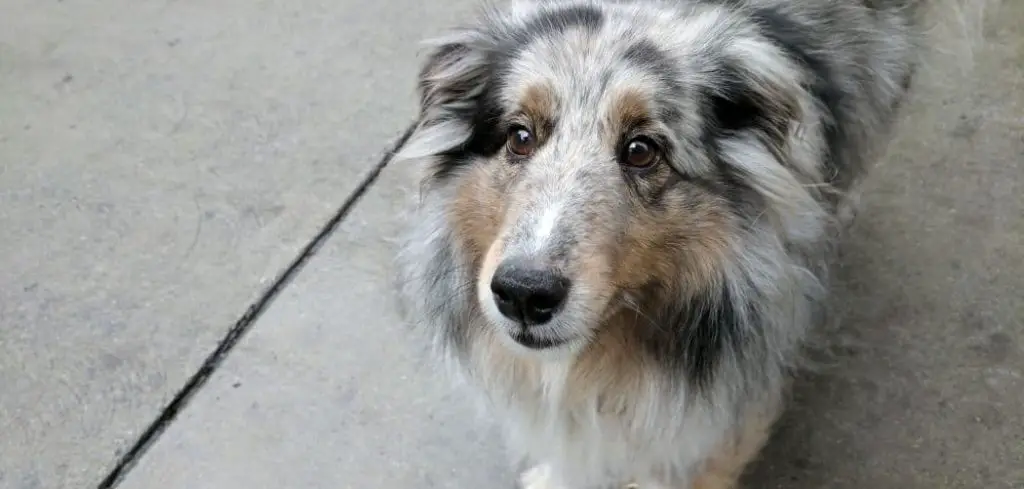
Old Dog Not Eating and Drooling: Common Causes
Dental Disease
Dental disease is extremely common in senior dogs. Plaque buildup, infected gums, or broken teeth can make chewing painful.
When a dog avoids food due to oral pain, drool often accumulates because they cannot comfortably swallow. Owners may notice bad breath, pawing at the mouth, or even drops of blood in the saliva.
Left untreated, dental infections can spread to the bloodstream and harm the heart, kidneys, or liver. For an older dog already vulnerable, this combination of not eating and drooling should be taken seriously.
Read more: Old Dog Not Eating and Has Diarrhea (Causes to watch for)
Foreign Object in the Mouth or Throat
Sometimes, a dog may have something stuck between their teeth, under the tongue, or in the throat. Common examples include bones, sticks, or fragments of toys.
This can trigger gagging, excessive saliva, and refusal to eat. Dogs may paw at their face, cough, or repeatedly swallow without success.
If the object remains lodged, it can injure the tissues and even obstruct breathing. For senior dogs, who may not have the strength to recover quickly, this is an urgent situation.
Nausea
Nausea causes drooling in many dogs, and in seniors, it often pairs with appetite loss.
Digestive problems may stem from dietary indiscretion (eating something spoiled), parasites, or more serious illnesses like inflammatory bowel disease.
Excessive saliva forms because the body is trying to protect the esophagus from stomach acid. Your old dog may lick their lips, swallow frequently, or vomit along with refusing food.
Chronic nausea in older dogs can signal underlying organ disease or cancer, making this an issue that shouldn’t be ignored.
Liver or Kidney Disease
The liver and kidneys filter toxins from the body, and when they stop working properly, waste products build up. In older dogs, these organ problems often show as poor appetite, nausea, drooling, and weight loss.
Kidney disease may also cause increased drinking and urination, while liver issues can lead to jaundice (yellow gums or eyes). Both conditions are progressive and life-threatening if not managed.
The combination of drooling and food refusal in an old dog can be one of the first warning signs.
Oral Tumors
Senior dogs are at higher risk of developing tumors in the mouth. Growths along the gums, tongue, or jaw can make chewing painful and lead to constant drooling.
Sometimes, owners notice a foul odor, visible lumps, or blood in the saliva. Unfortunately, oral tumors often go unnoticed until they interfere with eating, which makes early detection critical.
These tumors can be benign or malignant, but in either case, veterinary evaluation is essential.
Poisoning
Certain toxins, like household cleaners, plants, or even some human foods, can cause drooling and loss of appetite in dogs.
For example, ingesting antifreeze, xylitol, or rodenticides may trigger sudden nausea and saliva production. In these cases, additional symptoms such as vomiting, shaking, or weakness often follow.
Older dogs are particularly vulnerable to toxins because their liver and kidneys process substances less efficiently. Any sudden drooling paired with not eating should be treated as a possible emergency.
Dog Not Eating or Drinking and Drooling
A dog that refuses both food and water while drooling may be experiencing pain, nausea, poisoning, dental disease, mouth injury, or a serious internal illness.
Drooling often happens when dogs feel nauseated or cannot comfortably swallow. Problems such as stomach upset, intestinal blockage, kidney disease, infections, heatstroke, or exposure to toxins can all cause these symptoms.
Mouth problems like broken teeth, gum disease, or objects stuck in the mouth may also make eating and drinking painful.
This combination of symptoms should be taken seriously because dehydration can develop quickly, especially if vomiting or diarrhea is also present. Warning signs include weakness, shaking, pale gums, bloating, trouble breathing, or collapse.
If your dog refuses water for several hours or seems increasingly lethargic, prompt veterinary care is important.
Old Dog Not Eating and Drooling and Shaking
An old dog that is not eating, drooling, and shaking is often showing signs of significant pain, illness, or distress.
Shaking in senior dogs may happen because of pain, weakness, fever, nausea, anxiety, or neurological problems. When combined with drooling and appetite loss, it may point to conditions such as severe dental disease, poisoning, pancreatitis, kidney disease, abdominal pain, or infection.
Some older dogs may also shake because they feel weak or uncomfortable from dehydration.
These symptoms can worsen quickly in senior dogs because aging bodies are less able to recover from illness and dehydration.
Immediate veterinary attention is required if your dog is vomiting, struggling to stand, breathing abnormally, or seems confused or extremely weak.
Old Dog Not Eating and Drooling and Vomiting
An older dog that is drooling, vomiting, and refusing food may have a serious digestive or systemic illness.
Vomiting and drooling together often suggest nausea, stomach irritation, toxin exposure, intestinal blockage, pancreatitis, or organ disease such as kidney or liver failure.
Senior dogs are also at higher risk for infections, tumors, and chronic illnesses that can cause these symptoms.
Repeated vomiting can quickly lead to dehydration and electrolyte imbalance, especially if the dog is also unable to keep water down.
Other warning signs include bloating, bloody vomit, diarrhea, weakness, abdominal pain, or collapse.
Because these symptoms may signal a medical emergency, older dogs should be evaluated by a veterinarian as soon as possible.
What to Do If Your Old Dog Is Not Eating and Drooling
If your dog suddenly refuses food and drools excessively, start by checking their mouth for obvious issues like foreign objects, broken teeth, or bleeding gums. Do not attempt to remove anything deeply lodged — this could cause more damage.
Offer soft, bland foods such as boiled chicken or rice to see if your dog is willing to eat. Sometimes, warmed wet food or bone broth can stimulate appetite in seniors.
Ensure your dog stays hydrated. If they refuse water, try offering ice cubes or a small amount of low-sodium broth. Dehydration can set in quickly, especially if drooling is heavy.
Keep your dog comfortable and stress-free. Elevated stress or discomfort can worsen nausea and reduce appetite further.
If symptoms are mild and short-lived, monitoring closely for a few hours may be reasonable. But if your dog continues to refuse food, drool heavily, or shows other worrying signs, veterinary care is the safest step.
When to Call or Visit Your Vet
You should contact your veterinarian promptly if your dog has not eaten for more than 24 hours, or if drooling is constant and unexplained.
Seek emergency care immediately if you notice signs such as vomiting blood, pawing at the mouth, choking sounds, or sudden collapse. These may indicate a foreign object, toxin ingestion, or advanced disease.
Chronic cases also require veterinary evaluation. If your old dog frequently refuses meals, drools excessively, or has recurring nausea, underlying conditions like kidney disease, cancer, or oral tumors may be responsible.
For senior dogs, time is critical. Their bodies cannot bounce back as quickly, and waiting too long can mean the difference between a treatable illness and irreversible decline.
Read more: Old Dog Not Eating (Causes and what to do)
Old Dog Not Eating and Drooling: Treatment
Veterinary treatment depends on the underlying cause of the drooling and appetite loss.
The veterinarian will usually perform a physical exam and may recommend bloodwork, X-rays, ultrasound, or dental evaluation to identify the problem. Treatment may include fluids for dehydration, anti-nausea medication, pain relief, antibiotics, or medications to support organ function.
If dental disease or an object in the mouth is causing pain, dental treatment or removal may be needed.
More serious conditions, such as poisoning, pancreatitis, intestinal blockage, or kidney disease, may require hospitalization and intensive care.
Early treatment is important because senior dogs can decline rapidly when they stop eating and drinking.
Key Takeaway
When an old dog is not eating and drooling, it is rarely something to ignore. From dental disease to nausea, organ failure, or toxins, the causes can range from uncomfortable to life-threatening.
At home, you can try offering soft foods, keeping your dog hydrated, and checking for simple issues in the mouth. But persistent symptoms — especially in seniors — should always be checked by a veterinarian.
Caring for an older dog means paying close attention to subtle changes. Appetite loss and drooling are strong signals that something is wrong, and prompt care can make all the difference in keeping your companion comfortable and safe.


