
When an old dog just walks and walks without settling down, it can be confusing and worrying for owners. Some senior dogs pace the house, wander aimlessly, or seem unable to rest even when they appear physically tired.
While this behavior may look harmless at first, persistent walking in older dogs often signals an underlying physical, neurological, or cognitive issue.
Understanding why this behavior happens is essential, because in many cases it reflects discomfort or age-related changes that deserve attention.
Table of Contents
Why Does My Old Dog Just Walk And Walk?
An old dog that just walks and walks—often pacing or wandering—usually does so because of underlying physical or cognitive changes associated with aging. One of the most common causes is canine cognitive dysfunction (dog dementia), where dogs become confused, restless, and may pace without purpose.
Other possible reasons include pain or discomfort (such as arthritis or internal issues), anxiety, vision or hearing loss, or neurological conditions that affect awareness and movement.
In some cases, pacing may also be linked to digestive discomfort or the need to go outside.
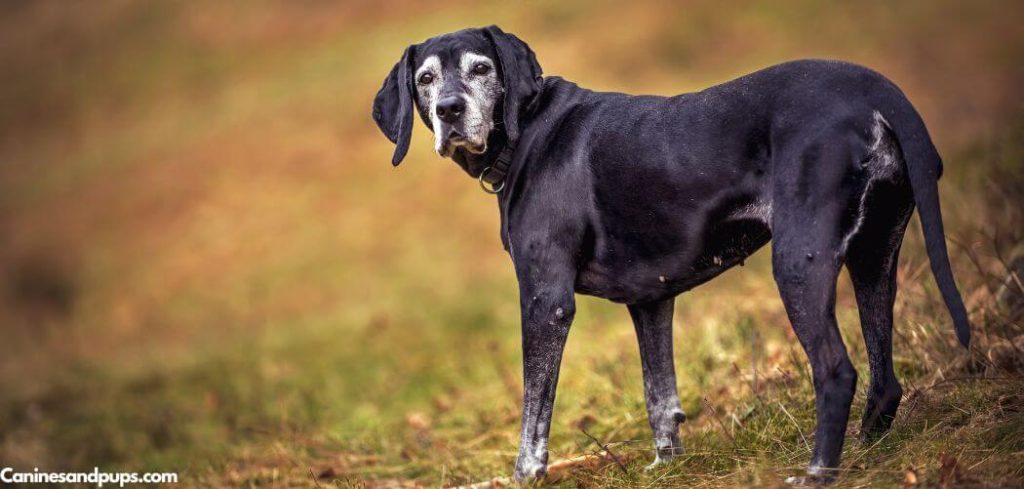
Old Dog Just Walk And Walk: Signs
Signs of an old dog that just walks and walks (pacing or wandering) often include repetitive, restless movement without a clear purpose, such as walking in circles, back and forth, or along the same path repeatedly.
You may notice difficulty settling down, especially at night, along with increased restlessness or agitation.
Some dogs appear confused or disoriented, may get stuck in corners or behind furniture, or seem unaware of their surroundings.
Other signs can include changes in sleep patterns, increased vocalization (whining or barking), and reduced responsiveness to commands.
Common Causes Of Constant Walking In Old Dogs
Cognitive Dysfunction Syndrome
One of the most common reasons an old dog just walks and walks is canine cognitive dysfunction syndrome, often compared to dementia in humans. As dogs age, changes in the brain can affect memory, awareness, and the ability to interpret their environment correctly.
Dogs with cognitive dysfunction may pace aimlessly, get stuck in corners, or walk in repetitive paths without a clear goal.
They often seem restless, confused, or unable to settle even when physically exhausted. This behavior is frequently worse at night, when reduced lighting and fewer environmental cues increase disorientation.
The walking itself is not purposeful exercise but rather a response to confusion and anxiety.
As the disease progresses, pacing may become more frequent and prolonged unless the underlying cognitive changes are addressed.
Related: Old dog vestibular disease (Signs, causes and treatment)
Pain
Chronic pain is another major reason senior dogs pace continuously. Conditions such as arthritis, spinal disease, or joint degeneration can make lying down uncomfortable. When resting causes stiffness or pain, dogs may choose to keep moving instead.
Older dogs with joint pain may walk slowly and carefully, change directions frequently, or struggle to find a position that feels comfortable.
The pacing may look restless, but in reality, the dog is trying to manage discomfort through movement.
Pain-related walking often worsens in the evening or after periods of inactivity, when joints stiffen.
Dogs may also show subtle signs such as reluctance to lie down, difficulty standing up, or reduced interest in play.
Anxiety and Restlessness
Senior dogs can develop anxiety even if they were calm for most of their lives. Changes in vision, hearing, and mental processing can make familiar environments feel unpredictable. This can lead to restlessness and repetitive walking as a coping mechanism.
Anxious pacing may increase during quiet times, at night, or when the dog is separated from their owner.
Some dogs walk from room to room as if searching for reassurance, while others circle the same area repeatedly.
Unlike exercise-driven movement, anxiety-related walking does not seem to relieve the dog. Instead, it continues until the dog is redirected, comforted, or becomes physically exhausted.
Sensory Decline and Disorientation
Vision and hearing loss are common in older dogs and can significantly affect how they move through their environment. When sensory input becomes unreliable, dogs may pace as they attempt to orient themselves.
A senior dog with declining vision may walk slowly along walls or furniture, using physical contact to navigate.
Hearing loss can reduce responsiveness to cues that normally signal rest or routine, causing the dog to wander instead of settling.
Disorientation caused by sensory decline often overlaps with cognitive dysfunction, amplifying pacing behaviors and making them more frequent over time.
Neurologic Conditions
Certain neurologic conditions can cause repetitive walking in older dogs. Disorders affecting the brain, spinal cord, or nerves may disrupt normal movement patterns and behavior.
Dogs with neurologic disease may pace in circles, walk without apparent purpose, or have difficulty stopping once they start. This type of walking may appear mechanical or compulsive rather than relaxed.
Neurologic causes are especially concerning when pacing is accompanied by head tilting, weakness, abnormal eye movements, or changes in consciousness.
In these cases, the walking behavior reflects impaired brain signaling rather than a behavioral choice.
Hormonal and Metabolic Disorders
Internal medical conditions can also drive constant walking in senior dogs. Hormonal disorders such as Cushing’s disease or thyroid imbalance can cause restlessness, increased thirst, and changes in sleep patterns.
Dogs with metabolic disease may feel internally uncomfortable, prompting them to pace instead of resting.
Increased urination, hunger changes, or panting may occur alongside the walking behavior.
Because these conditions affect the entire body, pacing is often just one of several subtle signs that develop gradually.
Sleep Cycle Disruption In Older Dogs
As dogs age, their sleep-wake cycles often change. Many senior dogs sleep more during the day and struggle to settle at night. This reversal can lead to nighttime pacing that owners find especially concerning.
An old dog that just walks and walks after dark may not be fully awake or fully asleep.
Instead, they exist in a confused state where rest feels elusive. This is particularly common in dogs with cognitive dysfunction or chronic pain.
Nighttime pacing can also contribute to daytime fatigue, creating a cycle of poor rest and increased restlessness.
Signs That Constant Walking Is A Problem
Occasional wandering is normal, but persistent pacing that lasts for hours or occurs daily should not be dismissed.
Warning signs include walking that interferes with sleep, visible anxiety or confusion, inability to settle even when tired, circling or repetitive paths, vocalizing while walking, or new pacing behavior that appears suddenly.
Any walking behavior accompanied by appetite changes, weight loss, weakness, or altered awareness should be evaluated immediately.
Related: Old dog circling and pacing (Here’s why)
Diagnosis
Veterinary diagnosis begins by the taking of a detailed history, focusing on when the walking occurs, how long it lasts, and whether other symptoms are present. A physical exam assesses joints, spine, neurologic function, and sensory responses.
Blood work may be recommended to screen for metabolic or hormonal disorders. In some cases, neurologic evaluation or imaging is necessary to rule out brain or spinal disease.
Because pacing often has multiple contributing factors, diagnosis may involve addressing more than one issue.
Treatment and Management
Treatment depends on the underlying cause. Dogs with cognitive dysfunction may benefit from medications, supplements, environmental enrichment, and consistent routines. Pain-related pacing often improves with appropriate pain management and mobility support.
Managing anxiety may involve behavioral strategies, calming supplements, or medication.
Environmental adjustments such as night lights, non-slip flooring, and quiet sleeping areas can help reduce disorientation and restlessness.
Most senior dogs respond best to a comprehensive approach that addresses both physical and mental comfort.
When To Call Or Visit The Vet
Your old dog walks constantly and cannot settle
Pacing appears suddenly or worsens rapidly
Walking is paired with confusion, circling, or head tilt
Sleep disruption becomes severe
Appetite, weight, or behavior changes accompany the pacing
Early evaluation can prevent further decline and significantly improve quality of life.
Key Takeaway
When an old dog just walks and walks, it’s rarely meaningless behavior. In most cases, it reflects discomfort, confusion, anxiety, or age-related changes that deserve careful attention.
While some causes are manageable and even reversible, others require long-term support and adaptation.
With proper veterinary guidance, environmental adjustments, and compassionate care, many senior dogs can find relief from restlessness and regain a sense of comfort and security in their daily lives.