
Seeing an old dog tail wagging uncontrollably can feel confusing—especially if it doesn’t match their mood or seems excessive.
Tail wagging is usually a positive sign, but sudden or nonstop wagging in a senior dog can sometimes point to underlying physical or neurological issues.
Table of Contents
Old Dog Tail Wagging Uncontrollably: Why It Happens
An old dog’s tail wagging uncontrollably happens because signals between the brain and tail muscles become overstimulated or poorly regulated, either from emotional triggers like excitement, anxiety, cognitive changes, or from physical issues affecting nerve control.
In senior dogs, the nervous system may not function as precisely as it once did, which can lead to exaggerated or poorly controlled movements.
While some dogs wag more due to emotional responses like stress or overstimulation, others may experience repetitive or uncontrollable wagging due to neurological conditions or discomfort.
The key is whether the wagging seems intentional and appropriate—or repetitive and out of context.
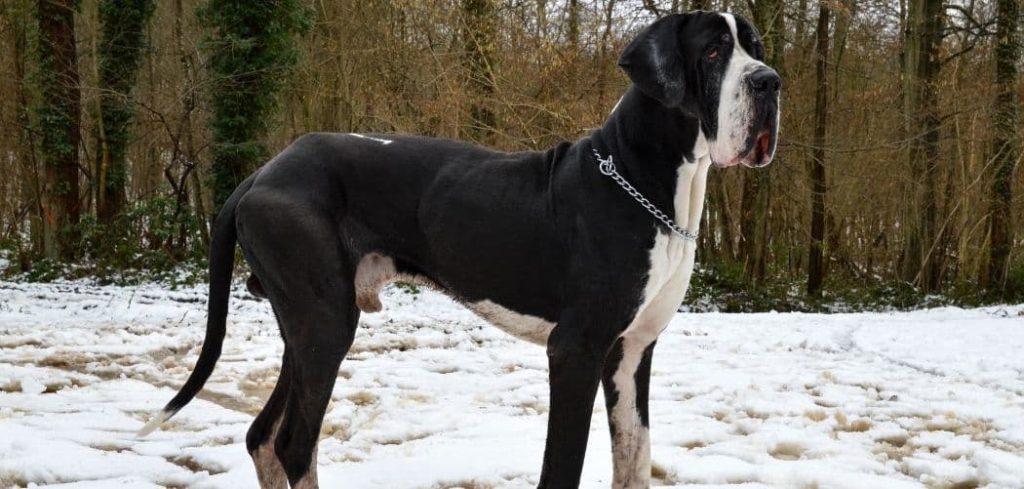
Old Dog Tail Wagging Uncontrollably: Signs
When your old dog’s tail is wagging uncontrollably, you may notice other signs that help explain the behavior.
Constant or repetitive tail wagging without clear reason
Wagging that seems out of context (e.g., while resting or anxious)
Stiff or exaggerated tail movements
Restlessness or pacing
Signs of anxiety (panting, whining, clinginess)
Confusion or disorientation
Difficulty settling down
Sensitivity near the tail or back
Changes in posture or gait
Episodes that come and go unpredictably
Old Dog Tail Wagging Uncontrollably: Common Causes
Excitement or Emotional Overflow
Sometimes, uncontrollable tail wagging is simply a result of heightened emotion.
Older dogs can still become very excited, especially when seeing familiar people, hearing food preparation, or anticipating walks. In some cases, their ability to regulate that excitement may decrease with age, leading to more intense or prolonged wagging.
If the wagging occurs during obvious happy moments and your dog otherwise seems relaxed and healthy, this is usually harmless.
Anxiety or Stress
Emotional distress can also trigger repetitive tail wagging.
Senior dogs may develop anxiety due to cognitive changes, reduced hearing or vision, or changes in their environment. This can lead to behaviors that look like excitement but are actually signs of unease.
The wagging may be paired with pacing, panting, or inability to settle, indicating that your dog is feeling overwhelmed rather than happy.
Canine Cognitive Dysfunction (Dog Dementia)
Cognitive decline in older dogs can lead to unusual, repetitive behaviors—including excessive tail wagging.
Dogs with cognitive dysfunction may become confused, restless, or stuck in repetitive patterns. Tail wagging in this context may seem purposeless or occur at odd times, such as during the night or when the dog is alone.
Other signs may include disorientation, changes in sleep patterns, or reduced interaction with family members.
Read more: Old Dog Syndrome (Signs, causes and treatment)
Nerve or Spinal Issues
The tail is controlled by nerves connected to the spine, so any disruption in this system can affect how it moves.
Conditions such as spinal degeneration, nerve compression, or injury can lead to abnormal or uncontrolled tail movement. In some cases, the wagging may not be voluntary and may appear stiff or jerky.
You may also notice weakness in the back legs or sensitivity along the spine.
Read more: Old Dog Neurological Problems (Signs to watch out for)
Pain or Discomfort
Pain in the lower back, hips, or tail area can sometimes cause unusual tail movements.
Dogs may wag or flick their tail in response to discomfort, especially if they are trying to relieve irritation or react to pain signals.
This type of wagging is often accompanied by other signs such as reluctance to sit, difficulty lying down, or sensitivity when touched.
Seizure Activity or Neurological Events
In rare cases, repetitive or uncontrollable tail wagging can be a mild form of seizure activity or neurological disturbance.
These episodes may look like repetitive movements that your dog cannot stop, sometimes accompanied by staring, twitching, or lack of responsiveness.
While less dramatic than full seizures, these events still require veterinary evaluation.
Learned or Habitual Behavior
Some dogs develop habits over time that become more pronounced with age.
If tail wagging has been reinforced (for example, through attention or excitement), it may become a repetitive behavior that appears excessive.
In older dogs, reduced activity levels can sometimes make these repetitive habits more noticeable.
Old Dog Tail Wagging Uncontrollably: What to Do
If your old dog’s tail is wagging uncontrollably, start by observing the context in which it happens.
Try to determine whether it occurs during moments of excitement, stress, or seemingly at random, as this can help narrow down the cause.
Ensure your dog is in a calm, comfortable environment where they feel secure. Reducing noise, maintaining a consistent routine, and offering a quiet resting space can help minimize stress-related behaviors.
If you suspect discomfort, gently check your dog’s back and tail area for signs of sensitivity, but avoid applying pressure if they seem in pain.
Providing a supportive bed can also help reduce strain on the spine and joints.
For dogs showing signs of anxiety or cognitive decline, maintaining predictable daily routines and offering mental stimulation can help reduce repetitive behaviors.
If the wagging is new, persistent, or unusual for your dog, it’s best to monitor closely and consult your veterinarian for guidance.
When to Call or Visit Your Vet
If your old dog’s tail wagging is accompanied by confusion, disorientation, or unusual behavior, it’s important to schedule a veterinary visit.
These signs may indicate cognitive or neurological issues.
If the wagging appears stiff, jerky, or involuntary, especially alongside weakness or coordination problems, seek veterinary evaluation.
This could point to nerve or spinal problems.
You should also contact your vet if your dog shows signs of pain, such as whining, avoiding touch, or difficulty moving.
Any sudden change in behavior that persists or worsens over time should not be ignored.
Read more: Old Dog Shaking Uncontrollably (What it could mean)
Old Dog Tail Wagging Uncontrollably: Treatment
Veterinary treatment for an old dog tail wagging uncontrollably depends on identifying the root cause.
If anxiety or cognitive dysfunction is suspected, your vet may recommend behavioral strategies, environmental adjustments, or medications to support brain health.
For pain or spinal issues, treatment may include anti-inflammatory medications, pain relief, and physical therapy to improve mobility and comfort.
Neurological conditions may require further diagnostics such as imaging to assess the brain or spine, followed by targeted treatment depending on the findings.
If the behavior is linked to habit or mild emotional triggers, your vet may suggest training or behavior modification techniques.
Key Takeaway
An old dog’s tail wagging uncontrollably is not always a sign of happiness—it can reflect emotional, physical, or neurological changes.
While some cases are harmless, others may indicate discomfort or underlying health concerns.
Pay attention to when and how the wagging occurs, and look for accompanying symptoms.
If something feels unusual or persistent, trust your instincts and consult your veterinarian to ensure your dog stays comfortable, safe, and well cared for.


