
Seeing your old dog shaking uncontrollably can be deeply distressing, especially when it happens suddenly or without a clear reason.
Mild trembling can sometimes be harmless, but intense or persistent shaking in a senior dog is often a sign of an underlying health issue that needs attention.
Table of Contents
Old Dog Shaking Uncontrollably: Why It Happens
An old dog shaking uncontrollably usually happens because something is interfering with normal nerve signals or causing significant discomfort, leading to involuntary muscle movements that the dog cannot control. This is often caused by pain, neurological issues, anxiety, toxin exposure, or metabolic imbalances that affect the body’s normal control of movement.
As dogs age, their bodies become more vulnerable to conditions that disrupt muscle function or nervous system signals, leading to trembling or full-body shaking.
In some cases, the shaking may resemble a seizure, while in others it may be a response to severe discomfort or illness.
The key is identifying whether the shaking is brief and situational or persistent and worsening.
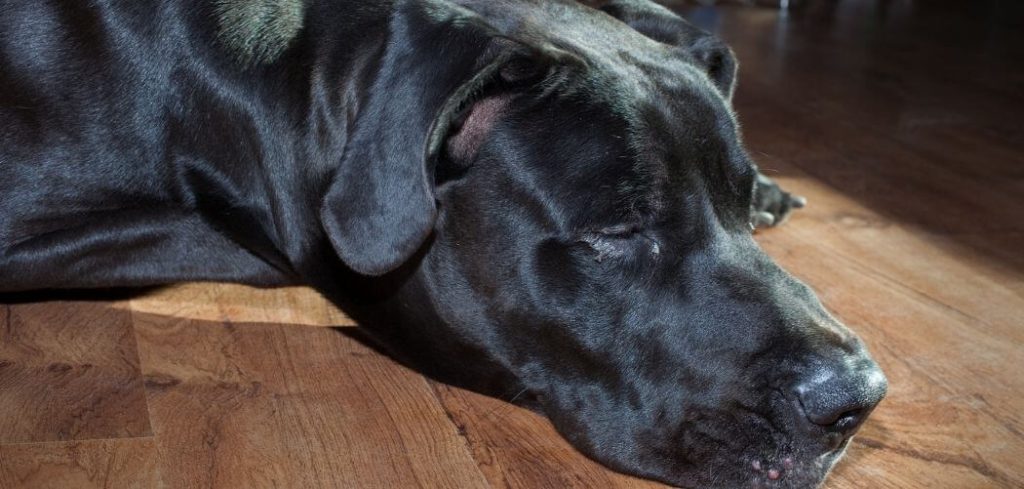
Old Dog Shaking Uncontrollably: Symptoms
When an old dog is shaking uncontrollably, there are often additional signs that help determine the underlying cause.
Full-body tremors or shivering
Rapid, uncontrolled muscle movements
Stiffness or difficulty moving
Panting or restlessness
Whining or signs of distress
Weakness or collapse
Loss of coordination
Vomiting or diarrhea (in toxin-related cases)
Confusion or disorientation
Seizure-like episodes (jerking, paddling, unresponsiveness)
Old Dog Shaking Uncontrollably: Common Causes
Pain
Pain is one of the most common reasons an old dog may shake uncontrollably.
Conditions such as arthritis, injuries, or internal pain can cause trembling as the body reacts to discomfort.
In senior dogs, chronic pain may suddenly worsen, leading to more intense shaking episodes.
You may also notice changes in posture, reluctance to move, or sensitivity when touched, which can help confirm pain as the underlying cause.
Neurological Disorders
Problems affecting the brain or nervous system can lead to uncontrolled shaking.
Conditions such as degenerative neurological diseases, brain inflammation, or tumors can interfere with the signals that control movement. This can result in tremors, coordination issues, or full-body shaking.
These cases are often accompanied by confusion, balance problems, or unusual behaviors.
Read more: Old Dog Neurological Problems (Signs to watch out for)
Seizures
Seizures are a serious cause of uncontrollable shaking in dogs. During a seizure, abnormal electrical activity in the brain causes sudden, involuntary muscle contractions.
A dog may collapse, shake violently, paddle their legs, or become temporarily unresponsive.
Afterward, they may appear disoriented, tired, or restless. Even a single seizure should be taken seriously in an older dog.
Read more: Old dog having seizures (Causes and treatment)
Stress
Although often overlooked, emotional distress can cause significant shaking in dogs.
Senior dogs may develop increased anxiety due to cognitive decline, hearing loss, or changes in their environment.
This can lead to trembling, especially during stressful situations such as loud noises or being left alone.
Unlike medical causes, anxiety-related shaking often improves once the dog feels calm and secure.
Toxin Exposure
Exposure to toxins can quickly affect the nervous system and cause severe shaking.
Common sources include household chemicals, certain human foods, medications, or toxic plants. These substances interfere with normal nerve function, leading to tremors, vomiting, seizures, or even collapse.
This is a medical emergency and requires immediate veterinary care.
Low Blood Sugar (Hypoglycemia)
Low blood sugar can disrupt brain function and lead to shaking or weakness.
Although more common in small dogs, it can occur in older dogs with underlying conditions. When glucose levels drop, the body reacts with tremors, confusion, and sometimes collapse.
Prompt treatment is essential to restore normal levels and prevent complications.
Kidney or Liver Disease
Organ dysfunction can cause toxins to build up in the body, affecting the nervous system.
In older dogs, kidney or liver disease can lead to symptoms such as shaking, lethargy, vomiting, and appetite loss. These conditions often develop gradually but may suddenly worsen, triggering noticeable tremors.
Blood tests are typically needed to confirm these issues.
Old Dog Shaking Uncontrollably: What to Do
If your old dog is shaking uncontrollably, start by ensuring they are in a safe, quiet environment where they cannot fall or injure themselves.
Stay calm and observe closely, noting how long the shaking lasts and whether your dog remains conscious and responsive.
If the shaking appears mild and your dog is otherwise alert, try keeping them warm and comfortable, as cold or mild discomfort can sometimes worsen tremors in older dogs.
Gentle reassurance can also help if anxiety is contributing to the behavior.
Pay attention to any additional symptoms such as vomiting, weakness, or confusion, as these can provide important clues about the cause.
If your dog has a known medical condition, follow any guidance previously given by your veterinarian.
However, if the shaking is intense, persistent, or unusual for your dog, it’s important to contact your vet immediately for advice.
When to Call or Visit Your Vet
If your old dog’s shaking is severe, continuous, or accompanied by collapse, seek emergency veterinary care immediately.
This could indicate a seizure or toxin exposure.
If your dog is shaking and also vomiting, having diarrhea, or acting disoriented, do not wait to get help. These signs often point to systemic illness.
You should also contact your vet if the shaking happens repeatedly or worsens over time.
Recurring episodes are rarely harmless in older dogs.
Any signs of pain, such as whining, limping, or reluctance to move, should also be evaluated by a professional.
Old Dog Shaking Uncontrollably: Treatment
Treatment for an old dog shaking uncontrollably focuses on identifying and addressing the root cause.
If pain is the issue, your vet may prescribe pain relief medications and recommend lifestyle adjustments to improve comfort.
For seizures, anti-seizure medications and diagnostic tests such as blood work or imaging may be required.
In cases of toxin exposure, emergency treatments like induced vomiting, activated charcoal, or intravenous fluids may be used to remove toxins from the body.
If an underlying disease such as kidney or liver dysfunction is detected, treatment may include medications, dietary changes, and ongoing monitoring.
Neurological conditions may require more advanced diagnostics and specialized care depending on severity.
Key Takeaway
An old dog shaking uncontrollably is often a sign that something is wrong, whether it’s pain, illness, or a neurological issue.
While some causes are mild, others can be serious and require immediate attention.
Careful observation and quick action can make a significant difference in your dog’s health and comfort.
When in doubt, always consult your veterinarian to ensure your senior dog receives the care they need and deserve.


