
Changes in your old dog’s poop can be one of the first signs that something isn’t quite right.
Occasional variation is normal, but consistent changes in color, texture, or frequency in a senior dog should always be taken seriously.
Table of Contents
Old Dog Poop Changes
Changes in an old dog’s poop happen because the digestive system is no longer processing food as efficiently, leading to differences in stool consistency, frequency, or appearance. This is usually caused by diet, digestive sensitivity, infections, parasites, or underlying health conditions affecting the gastrointestinal system.
As dogs age, their digestion becomes less efficient, making them more prone to irregular bowel movements, softer stools, or constipation.
Sometimes the change is mild and temporary, but in other cases, it may signal chronic illness, organ dysfunction, or inflammation in the gut.
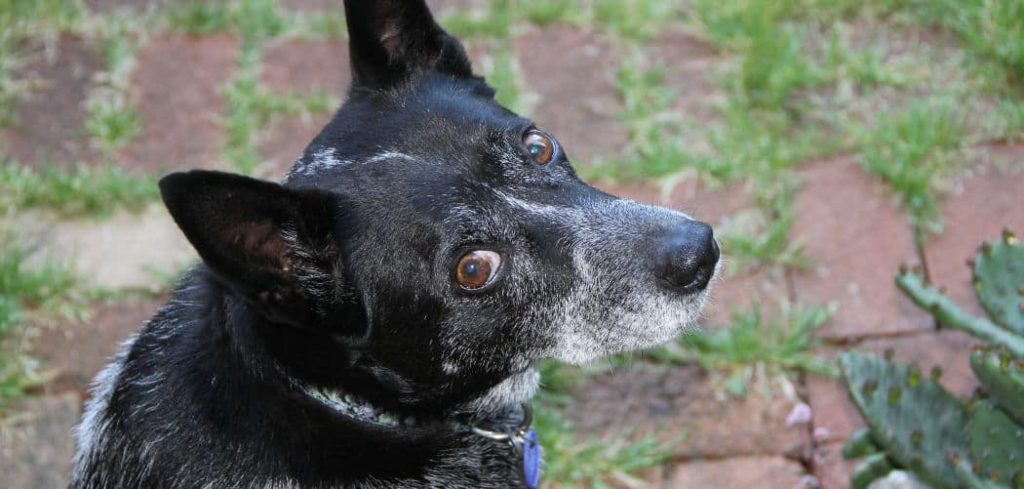
Do Dogs’ Bowel Movements Change as They Get Older?
Yes, dogs’ bowel movements can change as they age due to slower digestion, reduced activity, and age-related health conditions.
Older dogs may have more irregular bowel habits, including changes in frequency, stool consistency, or control. Some may become more prone to constipation, while others may have softer stools or increased urgency.
Muscle tone in the intestines can weaken over time, and underlying conditions such as digestive disorders or organ disease can also affect bowel patterns.
While mild changes can be normal, noticeable or persistent differences should be monitored.
Old Dog Bowel Problems
Bowel problems in older dogs can include constipation, diarrhea, incontinence, or difficulty passing stool.
These issues may be caused by dehydration, low-fiber diet, reduced mobility, intestinal inflammation, or underlying diseases such as kidney issues or neurological conditions.
Some senior dogs may strain to defecate, pass smaller or harder stools, or have accidents in the house.
In other cases, bowel problems may be linked to pain, stress, or medication side effects.
Healthy vs Unhealthy Old Dog Poop
An older dog’s stool is a useful indicator of overall health. While aging can slightly affect digestion, poop should still remain fairly consistent. Noticeable or persistent changes often point to underlying issues.
Healthy old dog poop:
- Well-formed, log-shaped and easy to pick up
- Medium size, consistent with food intake
- Firm but slightly soft (not hard or mushy)
- Brown in color (light to dark brown)
- No strong unusual odor beyond normal
- No visible mucus, blood, worms, or undigested food
Unhealthy old dog poop:
- Loose, watery, or unformed (diarrhea)
- Very hard, dry, or pellet-like (constipation)
- Unusually large or very small stools
- Strong, foul, or abnormal odor
- Color changes: black, red, yellow, green, or gray
- Presence of mucus, blood, parasites, or undigested food
- Increased frequency or straining
Poop Changes and What They May Mean
Watery or loose stool — digestive upset, infection, parasites, or food intolerance
Very hard, dry stool — dehydration, constipation, or low fiber intake
Increased frequency — poor nutrient absorption, diet change, or intestinal issues
Decreased frequency — constipation, reduced food intake, or slower digestion
Black or tarry stool — possible internal bleeding (upper digestive tract)
Bright red blood streaks — lower intestinal irritation or colitis
Yellow or orange stool — liver, gallbladder, or digestive issues
Gray or greasy stool — fat digestion problems or pancreatic issues
Mucus in stool — inflammation of the intestines
Undigested food in stool — poor digestion or enzyme deficiency
Strong, foul odor — infection, dietary intolerance, or gut imbalance.
Old Dog Poop Like Jelly
Old dog poop that looks like jelly is often caused by mucus in the stool, which usually indicates irritation or inflammation of the colon.
This can occur with colitis, stress, dietary changes, infections, parasites, food intolerance, or inflammatory bowel disease.
A small amount of mucus may occur occasionally, but frequent jelly-like stool in an older dog should be monitored closely because senior dogs may have underlying digestive conditions.
If the stool is persistent, foul-smelling, or accompanied by vomiting, weight loss, or appetite changes, a veterinary examination is recommended.
Old Dog Poop Like Jelly With Blood
Old dog poop that looks like jelly with blood often indicates inflammation of the lower digestive tract, especially the colon.
The jelly-like substance is usually mucus, while bright red blood may come from irritated intestinal tissue.
Causes can include colitis, infections, parasites, dietary upset, stress, or more serious intestinal diseases.
While small amounts of blood can sometimes occur with mild irritation, recurring bloody mucus in a senior dog should be evaluated by a veterinarian, especially if there are signs of pain, weakness, vomiting, or reduced appetite.
Causes of Poop Changes in Old Dogs
Dietary Changes or Sensitivity
Diet plays a major role in stool quality, and even small adjustments can have a noticeable impact on an older dog’s digestion.
As dogs age, their ability to tolerate certain proteins, fats, or additives can decrease. A food they’ve eaten for years may suddenly start causing loose stools, gas, or irregular bowel movements.
Sudden diet changes are especially disruptive because the gut microbiome—the balance of good bacteria—needs time to adjust.
Without that adjustment period, digestion becomes inefficient, leading to diarrhea or inconsistent stool.
Read more: Old Dog Uncontrollable Diarrhea (When it becomes serious)
Digestive Slowdown with Age
Aging naturally affects how efficiently the digestive system works. Food may move more slowly through the intestines, or digestive enzymes may not break down nutrients as effectively as before.
This can result in stool that is either too soft due to incomplete digestion or too hard due to prolonged transit time.
Older dogs may also have reduced gut motility, meaning the intestines don’t contract as strongly, leading to irregular bowel habits and occasional constipation.
Infections or Parasites
Bacterial infections, viruses, and intestinal parasites can significantly disrupt the digestive tract.
These organisms irritate the intestinal lining, causing inflammation and reducing the gut’s ability to absorb water properly. This often leads to diarrhea, sometimes with mucus or blood.
Senior dogs are more vulnerable because their immune systems may not respond as quickly or effectively, allowing infections to take hold more easily and last longer.
Read more: Old Dog Diarrhea and Blood (What it means)
Chronic Gastrointestinal Conditions
Long-term digestive disorders, such as inflammatory bowel disease (IBD), can cause ongoing stool changes.
These conditions involve chronic inflammation of the intestinal lining, which interferes with nutrient absorption and normal digestion.
As a result, dogs may experience persistent diarrhea, inconsistent stool quality, or frequent bowel movements.
Over time, this can lead to weight loss, nutrient deficiencies, and a general decline in health if not properly managed.
Kidney or Liver Disease
The kidneys and liver play critical roles in filtering toxins and supporting digestion.
When these organs begin to fail, waste products can accumulate in the body and disrupt normal gastrointestinal function. This may lead to diarrhea, pale or unusually colored stool, and changes in appetite.
In liver disease, bile production and flow may also be affected, which directly impacts how fats are digested and how stool appears.
Pancreatic Issues
The pancreas produces enzymes that are essential for breaking down food.
If the pancreas becomes inflamed (pancreatitis) or stops producing enough enzymes (pancreatic insufficiency), digestion becomes incomplete. This often results in loose, greasy, or foul-smelling stool.
Dogs with pancreatic issues may also experience abdominal discomfort, vomiting, or a noticeable decrease in appetite, especially after eating fatty foods.
Cancer or Tumors
In older dogs, changes in stool can sometimes be linked to growths in the digestive tract.
Tumors can physically interfere with the normal movement of stool or disrupt the intestinal lining, leading to diarrhea, constipation, or blood in the stool.
Because these changes often develop gradually, they may be mistaken for simple digestive upset at first, making early detection more challenging.
Stress and Environmental Changes
Stress doesn’t just affect behavior—it can also have a direct impact on digestion.
When a dog experiences stress, the gut can become more active or irritated, leading to loose stools or sudden bowel movements.
For older dogs, even small changes such as a new routine, visitors, or changes in the household can trigger digestive upset more easily than in younger dogs.
Medication Side Effects
Many older dogs are on medications for chronic conditions, and some of these can affect the digestive system.
Certain drugs may irritate the stomach lining, alter gut bacteria, or speed up intestinal movement, all of which can lead to diarrhea or changes in stool consistency.
If stool changes begin after starting a new medication, it’s important to discuss this with your veterinarian rather than stopping the medication abruptly.
Dehydration and Reduced Water Intake
Hydration plays a key role in maintaining normal stool consistency. If an older dog isn’t drinking enough water, stool can become dry, hard, and difficult to pass, leading to constipation.
On the other hand, dehydration can also worsen diarrhea by reducing the body’s ability to regulate fluid balance.
Senior dogs may drink less due to reduced mobility or underlying illness, making hydration an important factor to monitor.
Old Dog Poop Incontinence
Old dog poop incontinence occurs when a senior dog loses control over bowel movements and passes stool unintentionally.
This can happen due to aging-related muscle weakness, nerve problems, spinal issues, arthritis that makes it difficult to get outside quickly, or cognitive dysfunction (dog dementia).
Digestive diseases and some neurological conditions can also contribute to loss of bowel control.
If your older dog suddenly starts having accidents, a veterinary examination is needed to rule out medical causes and determine ways to improve comfort and management.
Related: Old dog poops in sleep (Why it happens)
Old Dog Poop Smaller Than Usual
An old dog producing smaller amounts of poop than usual may be caused by eating less, dehydration, constipation, slower digestion, or reduced activity levels.
Senior dogs may also have dental problems or illnesses that reduce food intake, resulting in smaller stools.
Small, dry, hard stools may indicate constipation, while consistently reduced stool production can sometimes be linked to intestinal problems or changes in nutrient absorption.
If your dog is straining to poop, has a swollen abdomen, loses appetite, or produces very little stool despite eating normally, veterinary evaluation is needed.
Senior Dog Pooping a Lot Not Diarrhea
A senior dog pooping more frequently without diarrhea can be due to increased food intake, changes in diet, poor nutrient absorption, or digestive inefficiency.
As dogs age, their bodies may not absorb nutrients as effectively, leading to larger or more frequent stools.
Conditions such as pancreatic insufficiency, intestinal disorders, or parasites can also cause increased bowel movements while stool remains formed.
If the dog is eating more, losing weight, or showing other changes, it may indicate an underlying issue that should be checked.
Old Dog Poop Changes Home Remedies
If your old dog’s poop has changed, start by monitoring the consistency, color, and frequency over a day or two.
Keeping track of these details can help determine whether the issue is temporary or ongoing.
Ensure your dog stays hydrated, especially if they have loose stools, as dehydration can occur quickly in older dogs.
Providing a consistent, high-quality diet without sudden changes can help stabilize digestion.
If mild diarrhea occurs, a short period of a bland diet such as plain boiled chicken and rice may help settle the stomach, provided your dog is otherwise stable.
Keep your dog’s environment clean and provide frequent opportunities to go outside to reduce discomfort and accidents.
If the issue persists or worsens, it’s important to seek veterinary advice.
When to Call or Visit Your Vet
If your old dog’s poop contains blood, appears black and tarry, or is consistently abnormal, contact your veterinarian immediately. These signs may indicate serious conditions.
If diarrhea or constipation lasts more than 24–48 hours, a vet visit is required. Vomiting, lethargy, or refusal to eat alongside stool changes should not be ignored.
If your dog shows signs of pain or difficulty passing stool, seek professional care.
Old Dog Poop Changes: Treatment
Veterinary treatment for old dog poop changes depends on identifying the underlying cause.
Your vet may perform diagnostic tests such as stool analysis, blood work, or imaging to evaluate digestive health.
Treatment may include medications to control diarrhea or constipation, dietary adjustments, and fluid therapy if needed.
If infections or parasites are present, appropriate medications will be prescribed.
Chronic conditions may require long-term management, including specialized diets and ongoing monitoring.
Key Takeaway
Changes in an old dog’s poop are often an early sign of digestive or overall health issues.
While some changes are mild and temporary, others can indicate more serious conditions.
Pay close attention to what’s normal for your dog and act quickly when something changes.
Early intervention and proper care can help keep your senior dog comfortable, healthy, and thriving.


