
Seeing your old dog panting uncontrollably can be frightening, especially if it starts suddenly or seems excessive compared to normal behavior. While panting is a natural way for dogs to cool down, uncontrollable or persistent panting in a senior dog often signals something more serious.
Table of Contents
Old Dog Panting Uncontrollably: Why It Happens
An old dog panting uncontrollably is usually caused by pain, overheating, anxiety, heart or lung disease, or underlying metabolic conditions that affect breathing and oxygen levels. Uncontrollably panting happens because their body is trying to compensate for stress, discomfort, or reduced oxygen levels, leading to rapid breathing that the dog cannot easily control.
When dogs age, their bodies become less efficient at regulating temperature and handling stress, which can lead to heavier and more frequent panting.
However, when panting becomes excessive, constant, or occurs at rest, it often points to discomfort, illness, or reduced oxygen exchange. In some cases, it may also be linked to medications or hormonal disorders.
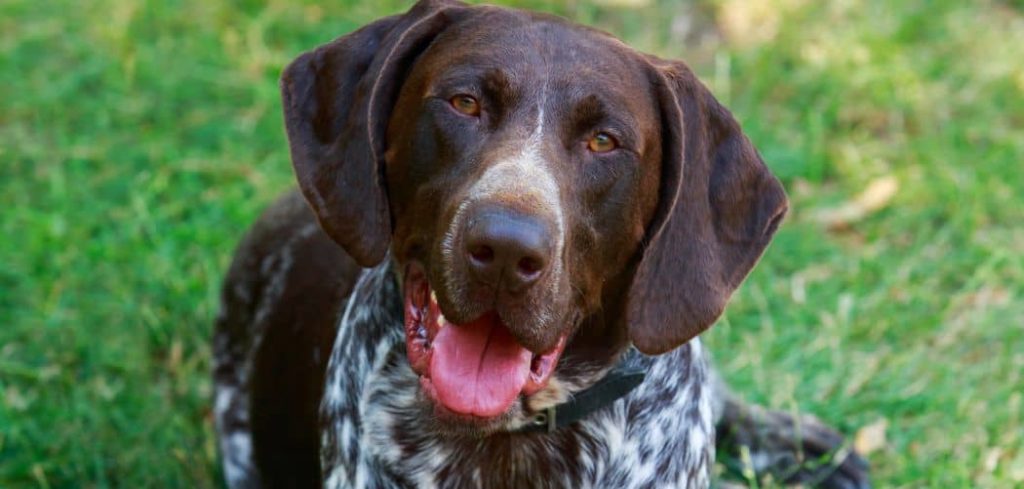
Old Dog Panting Uncontrollably: Symptoms
If your old dog is panting uncontrollably, you may notice other symptoms that help identify the cause.
Rapid, heavy breathing even at rest
Panting that doesn’t stop after cooling down
Restlessness or pacing
Whining or signs of distress
Increased heart rate
Lethargy or weakness
Coughing or labored breathing
Pale or bluish gums
Excessive thirst
Collapse in severe cases
Old Dog Panting Uncontrollably: Common Causes
Pain
Pain is one of the most common causes of excessive panting in older dogs.
Conditions like arthritis, injuries, or internal issues can cause a dog to pant as a response to discomfort. Unlike obvious signs such as limping, pain-related panting can be subtle and easily overlooked.
Dogs may also appear restless, have trouble settling, or change positions frequently as they try to get comfortable.
Read more: Old Dog Making Weird Breathing Noise (What it really means)
Heat or Overheating
Older dogs are more sensitive to heat and can overheat more quickly than younger dogs.
Panting is the body’s primary way of cooling down, but when it becomes excessive, it may indicate that your dog is struggling to regulate their temperature.
Warm environments, poor ventilation, or even mild exercise can trigger uncontrollable panting in senior dogs.
Heart Disease
Heart problems are a serious cause of uncontrollable panting in older dogs.
When the heart cannot pump efficiently, oxygen delivery throughout the body is reduced. This can lead to rapid breathing, panting, and fatigue.
Other signs may include coughing, reduced stamina, or swelling in the abdomen.
Lung or Respiratory Issues
Conditions affecting the lungs or airways can make breathing more difficult, leading to increased panting.
Diseases such as pneumonia, chronic bronchitis, or fluid buildup in the lungs can interfere with normal oxygen exchange.
Dogs may pant heavily, breathe rapidly, or struggle to get comfortable, especially when lying down.
Stress
Emotional distress can cause intense panting, even in older dogs. Changes in routine, separation anxiety, or cognitive decline can lead to increased stress levels.
This often results in panting combined with pacing, whining, or clingy behavior.
Unlike physical causes, anxiety-related panting may improve when the dog feels safe and relaxed.
Cushing’s Disease
Cushing’s disease is a common hormonal condition in senior dogs that often causes excessive panting.
It results from an overproduction of cortisol, which affects metabolism and stress response. Dogs with this condition may pant more, drink excessive water, and develop a pot-bellied appearance.
Panting associated with Cushing’s is usually persistent and not linked to activity or temperature.
Medication Side Effects
Certain medications, especially steroids, can increase panting as a side effect. If your dog recently started a new medication and began panting more, this could be the cause.
Always consult your vet before making any changes to prescribed treatments.
Read more: Old Dog Panting and Pacing (What it could mean)
Old Dog Panting Uncontrollably: What to Do
If your old dog is panting uncontrollably, start by moving them to a cool, well-ventilated area and ensuring they have access to fresh water.
Observe whether the panting improves once your dog is calm and comfortable, as this can help determine if heat or stress is involved.
Check for signs of pain or discomfort, such as difficulty lying down, stiffness, or unusual posture.
Keeping your dog on a supportive bed and limiting strenuous activity can help reduce strain.
Try to maintain a calm environment, especially if your dog is prone to anxiety.
Reducing noise and sticking to a consistent routine can help ease stress-related panting.
If your dog is on medication, review any recent changes and discuss them with your vet if panting has increased.
Most importantly, monitor closely—persistent or worsening panting should not be ignored in older dogs.
When to Call or Visit Your Vet
If your old dog is panting uncontrollably at rest and it does not improve, seek veterinary care as soon as possible. This may indicate a serious underlying condition.
If panting is accompanied by pale or blue gums, weakness, or collapse, treat it as an emergency. These are signs of oxygen deprivation.
You should also contact your vet if your dog is panting along with coughing, lethargy, or reduced appetite.
Sudden, unexplained panting that continues or worsens over time always warrants professional evaluation.
Old Dog Panting Uncontrollably: Treatment
Veterinary treatment for an old dog panting uncontrollably depends on identifying and addressing the underlying cause.
If pain is involved, your vet may prescribe pain relief medications and recommend lifestyle adjustments to improve comfort.
For heart or lung conditions, treatment may include medications to support heart function, reduce fluid buildup, or improve breathing.
In cases of overheating, cooling measures and fluid therapy may be required to stabilize your dog.
If Cushing’s disease is suspected, diagnostic tests will confirm the condition, followed by long-term management with medication.
For anxiety-related panting, behavioral strategies or calming medications may be recommended.
Key Takeaway
An old dog panting uncontrollably is often a sign that something is wrong, whether it’s pain, stress, or a more serious medical condition.
While some causes are manageable, others require urgent attention.
Pay close attention to when the panting occurs and any additional symptoms your dog shows.
When in doubt, consult your veterinarian promptly to ensure your senior dog stays safe, comfortable, and healthy.


