
Table of Contents
Old Dog Hot Spot: Why It Happens
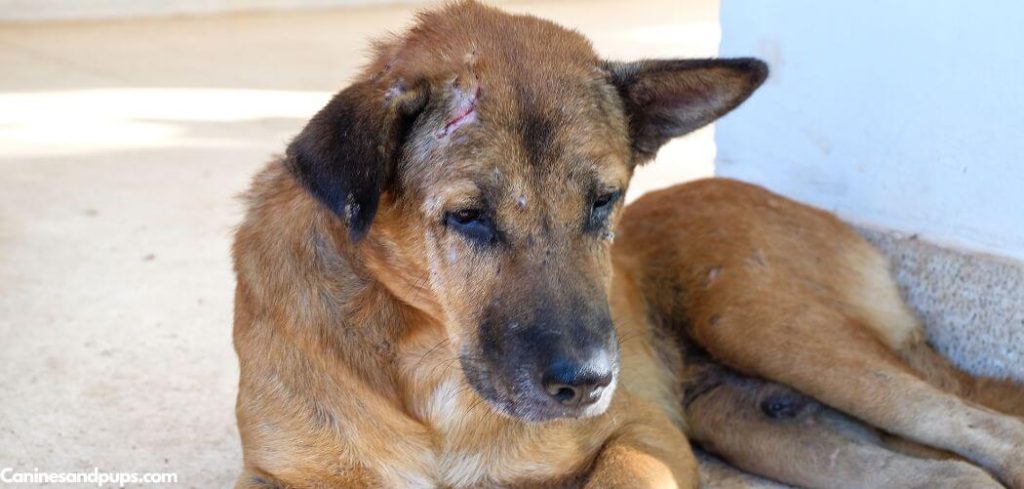
A hot spot on an old dog develops when the skin becomes irritated and the dog repeatedly licks, chews, or scratches the area, causing inflammation and sometimes a secondary bacterial infection.
These sores, also called acute moist dermatitis, can be triggered by fleas, allergies, moisture trapped in the coat, ear problems, or other sources of itching and discomfort.
Senior dogs may be more vulnerable when arthritis makes grooming difficult, skin problems have gone unnoticed, or an underlying condition causes persistent itching.
A hot spot can enlarge rapidly, so early attention is important even if the affected patch initially looks small.
Old Dog Hot Spots: Common Causes
1. Fleas and Flea Allergy
Fleas are a common trigger for hot spots in dogs, particularly when a dog develops an allergic reaction to flea saliva.
Even a small number of flea bites can cause intense itching, leading a dog to scratch, lick, or chew one area until the skin becomes red and raw.
Senior dogs may develop hot spots around the lower back, tail base, or hindquarters.
If your older dog has persistent itching or recurring sores, your veterinarian can check for fleas and recommend appropriate parasite prevention.

2. Environmental or Food Allergies
Allergies can cause persistent itching that leads to repeated scratching and skin damage. Environmental allergens, such as pollen or dust mites, and certain food-related sensitivities may contribute to recurring skin irritation.
A hot spot may develop wherever your dog repeatedly licks or scratches.
If the sores keep returning, treating the visible patch alone may not be enough; identifying and managing the underlying allergy is important.
Related: Old dog losing hair (Causes and treatment)
3. Ear Infections
An ear infection can make an older dog scratch around the ear or rub the side of the face against furniture or the floor. Repeated scratching can damage the skin and create a hot spot beneath or behind the ear.
Look for head shaking, ear redness, discharge, an unpleasant smell, or sensitivity when the ear is touched.
If these signs accompany a hot spot, your veterinarian should examine both the skin and the ear.
4. Moisture Trapped in the Coat
Bathing, swimming, rain, and damp fur can leave moisture trapped close to the skin, especially in dogs with thick or long coats. Wet, matted fur can make it harder to notice early irritation and may contribute to skin problems.
Senior dogs that have difficulty standing for grooming or cleaning themselves may need extra help keeping their coats dry.
Dry your dog thoroughly after bathing or getting wet, paying attention to areas where the fur tends to mat.
5. Arthritis or Reduced Mobility
Older dogs may have arthritis or other mobility problems that make grooming difficult. Some dogs repeatedly lick a particular joint or body area because it feels uncomfortable, while others may struggle to move away from an irritating surface.
Repeated licking can damage the skin and create a moist, inflamed patch.
If the hot spot is near a joint and your dog also limps, struggles to stand, or seems stiff, a veterinary examination can help identify both the skin problem and any underlying discomfort.
6. Anal Gland Problems
Problems involving the anal glands can cause discomfort around the rear end, leading a dog to lick or chew the skin near the tail and anus. This repeated attention may result in a hot spot.
You may also notice scooting, frequent licking beneath the tail, swelling, or an unpleasant smell.
Because anal gland disease can sometimes cause significant pain or infection, arrange a veterinary examination rather than trying to empty the glands yourself.
Related: Old dog skin problems (Signs, causes and treatment)
7. Skin Infections or Other Skin Conditions
A hot spot may develop when an existing skin condition causes itching or irritation. Once the skin is damaged, secondary bacterial growth can make the area more inflamed, painful, or moist.
Other conditions, including parasites and deeper skin infections, can resemble hot spots.
If the lesion is spreading, smells unpleasant, produces pus, or does not improve, your veterinarian should examine it to confirm the diagnosis.
Related: Old dog warts (Causes and treatment)
Old Dog Hot Spot That Is Getting Bigger
A hot spot that is growing can indicate ongoing scratching, licking, or worsening inflammation. These sores can enlarge quickly because the damaged skin becomes increasingly uncomfortable, prompting the dog to keep irritating the same area.
If the patch is spreading, bleeding, oozing, or becoming more painful, arrange a veterinary examination immediately. Do not wait for it to become much larger before seeking care.
Old Dog Hot Spot With Hair Loss
Hair loss around a hot spot often occurs because the dog has repeatedly scratched, chewed, or licked the affected skin. The surrounding fur may become wet, matted, or stuck together with discharge.
However, hair loss can also occur with other skin conditions, including parasites and fungal infections.
If the bald patch is expanding, additional areas are appearing, or the skin is crusted or inflamed, your veterinarian can determine whether the problem is a hot spot or another condition.
What to Do If Your Old Dog Has a Hot Spot
Prevent Licking and Scratching
Repeated licking can enlarge the sore and delay healing. If your dog tolerates it, use a properly fitted protective cone to prevent access to the area. Check that your dog can drink, eat, and move comfortably while wearing it.
If your dog is very painful or distressed when you approach the sore, do not force handling. Seek veterinary help.
Keep the Area Clean and Dry
Avoid bathing the affected area or allowing it to remain damp. Do not scrub the skin, peel away scabs, or use alcohol, hydrogen peroxide, essential oils, or harsh disinfectants.
Because hot spots can be painful and may become infected, ask your veterinarian which cleanser is appropriate before applying products to broken skin.
Avoid Cutting the Fur With Scissors
Clumped hair can conceal the true size of a sore. However, trying to cut close to inflamed skin with scissors can cause additional injury, particularly when an older dog is uncomfortable or moves suddenly.
A veterinarian or trained veterinary professional can safely clip the surrounding fur if needed.
Check for Other Signs of Discomfort
Look for persistent scratching, ear discharge, fleas, scooting, stiffness, or repeated licking of a particular joint. These clues may help identify the trigger behind the hot spot.
Tell your veterinarian about any changes in appetite, mobility, sleep, or behavior, especially if they have appeared alongside the skin problem.
Arrange a Veterinary Appointment
Hot spots can worsen rapidly, and other skin conditions may look similar. Arrange a veterinary examination immediately, particularly if the sore is more than a day old, is spreading, or appears painful or infected. Do not rely on home care alone for a worsening lesion.
When to Call or Visit Your Vet
Contact your veterinarian promptly if your old dog’s hot spot is growing, remains moist, repeatedly reappears, or does not begin improving.
Seek prompt veterinary care if you notice:
Increasing redness, swelling, or pain.
Pus, persistent oozing, bleeding, or an unpleasant smell.
Rapid enlargement of the affected area.
Persistent scratching or licking that you cannot prevent.
Multiple sores or recurring skin infections.
Reduced appetite, unusual lethargy, or other changes in general health.
If your dog has severe pain, marked weakness, or rapidly worsening symptoms, seek urgent veterinary care.
Old Dog Hot Spot: Treatment
Treatment depends on the size and severity of the lesion and the cause of the irritation. The veterinarian may examine the skin and clip the surrounding fur, gently clean the area, and assess whether infection or another skin condition is present.
Treatment may include veterinary antiseptic products, medication to control itching and inflammation, and antibiotics when a bacterial infection warrants them.
Flea control, allergy management, or treatment for an ear or anal gland problem may also be necessary.
If the lesion is unusually deep, recurrent, or slow to heal, further testing may be recommended.
Key Takeaway
A hot spot on an old dog is a painful, inflamed patch of skin that can grow quickly when the dog continues licking, scratching, or chewing. Fleas, allergies, ear problems, trapped moisture, and discomfort associated with aging can all contribute.
Keep your dog from irritating the area, avoid applying unapproved products, and arrange a veterinary examination if the sore is spreading, painful, or oozing.
If your senior dog develops hot spots repeatedly, identifying the underlying trigger is essential to reducing future flare-ups.
Do not assume that every red, wet patch is a simple hot spot. Early veterinary assessment can help relieve discomfort, identify the cause, and prevent the lesion from becoming more serious.


