
If your senior dog suddenly makes a loud, repetitive “honking” or goose-like sound, it can be alarming. Many owners describe it as if their dog is choking, gasping, or trying to clear something from their throat.
Old dog honking sounds are actually fairly common, especially in aging dogs with respiratory or airway sensitivity.
While some causes are mild and temporary, others may signal underlying heart or airway disease that requires medical attention. Understanding why your old dog is making honking noises can help you respond calmly and appropriately.
Table of Contents
What Does a Honking Sound In Dogs Mean?
A honking sound in dogs is most commonly associated with coughing that originates from irritation in the trachea (windpipe). It often sounds harsh, dry, and repetitive — similar to a goose honk.
In some cases, what owners describe as honking may actually be reverse sneezing, which is a sudden, forceful inhalation through the nose that produces a snorting sound.
Because the sound can resemble choking, it’s important to observe your dog carefully during the episode. Most dogs remain alert and resume normal breathing shortly afterward.
However, in senior dogs, honking noises should always be monitored closely, as aging increases the likelihood of underlying respiratory or cardiac disease.
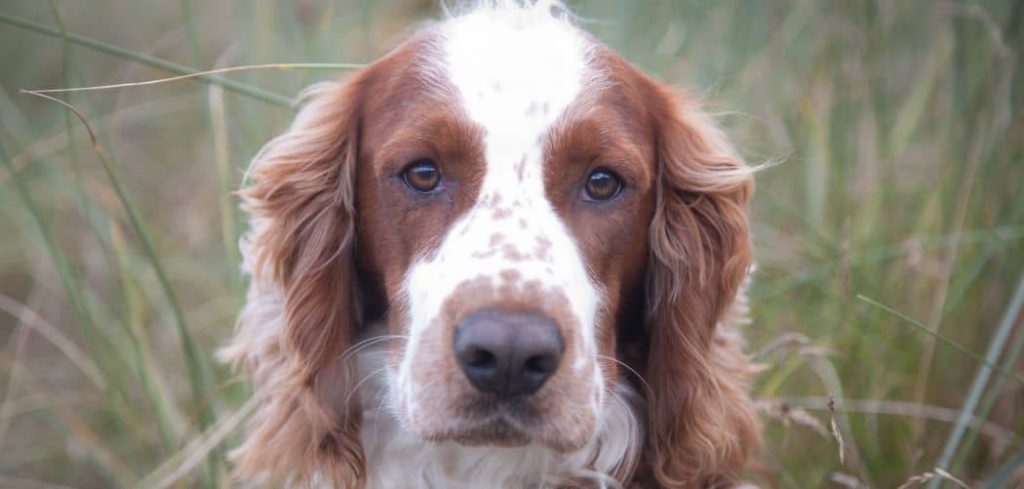
Old Dog Honking Sounds: Common Causes
Tracheal Collapse
Tracheal collapse is one of the most common causes of old dog honking sounds, particularly in small breeds. The trachea is supported by cartilage rings that keep the airway open. Over time, these rings can weaken and flatten, causing the airway to partially collapse during breathing.
When the trachea narrows, air moving through it creates a harsh, honking cough. Episodes may be triggered by excitement, pulling on a collar, exercise, or changes in temperature.
Senior dogs are more prone to tracheal collapse because cartilage weakens with age. While the condition is chronic, it can often be managed with medication, weight control, and switching from a collar to a harness.
In severe cases, surgical intervention may be considered.
Related: Old dog hacking cough (Causes and what it means)
Chronic Bronchitis
Chronic bronchitis is an inflammatory condition affecting the lower airways. In older dogs, long-term airway inflammation leads to thickened bronchial walls and excess mucus production.
The resulting cough can sound deep and honking, especially during exertion or after waking from rest.
Dogs with chronic bronchitis may also show exercise intolerance and mild breathing difficulty. This condition is typically managed with anti-inflammatory medications and sometimes bronchodilators.
Because chronic bronchitis progresses over time, early management helps reduce airway damage.
Reverse Sneezing
Reverse sneezing is often mistaken for honking. During a reverse sneeze episode, a dog rapidly inhales through the nose, producing a loud snorting or honking sound.
Although it may look dramatic, reverse sneezing is usually harmless and lasts less than a minute. It is often triggered by nasal irritation, excitement, or environmental allergens.
In older dogs, frequent reverse sneezing may indicate nasal inflammation or other upper airway issues that should be evaluated.
Heart Disease
In senior dogs, heart disease is a significant concern when coughing or honking sounds appear. When the heart becomes enlarged due to conditions such as mitral valve disease, it can press against the trachea.
This pressure irritates the airway and triggers coughing that may sound honking in nature.
Dogs with heart-related cough often experience additional signs such as reduced stamina, rapid breathing at rest, or nighttime coughing.
Because heart disease is common in older dogs, especially small breeds, any persistent honking sound should be evaluated to rule out cardiac involvement.
Kennel Cough Or Respiratory Infection
Although kennel cough is more common in younger or social dogs, senior dogs can still contract respiratory infections.
Infections of the upper airway can cause a dry, honking cough that may resemble tracheal irritation.
Additional signs may include nasal discharge, lethargy, or reduced appetite.
Most mild infections resolve with supportive care, but older dogs may require medication to prevent complications.
Laryngeal Paralysis
Laryngeal paralysis is more common in older, large-breed dogs. This condition occurs when the muscles that open the airway fail to function properly.
Affected dogs may make unusual breathing sounds, including honking or harsh respiratory noises. They may also experience exercise intolerance or difficulty breathing in warm weather.
Laryngeal paralysis can become serious if airway obstruction worsens, so prompt veterinary assessment is critical.
When Should You Be Concerned?
Occasional, brief honking episodes that resolve quickly may not be urgent. However, seek veterinary attention if your old dog honking sounds are accompanied by:
Labored breathing
Blue or pale gums
Collapse
Persistent coughing lasting more than a few days
Lethargy
Decreased appetite
Rapid breathing at rest
Sudden, severe breathing distress is always an emergency.
Related: Dog constant hacking cough (Signs, causes and treatment)
Old Dog Honking Sounds: Diagnosis
If your senior dog is making honking noises, your veterinarian will perform a thorough examination of the heart and lungs.
Diagnostic steps may include:
Listening to heart and lung sounds
Chest X-rays to assess heart size and airway structure
Bloodwork to evaluate organ function
Possibly echocardiography if heart disease is suspected
Imaging is particularly helpful in distinguishing between tracheal collapse, bronchitis, and heart enlargement.
Accurate diagnosis ensures appropriate treatment.
Related: Dog hacking cough at night (Why it happens)
Treatment for Honking Sounds In Older Dogs
Treatment depends on the underlying cause.
For tracheal collapse, weight management, cough suppressants, and anti-inflammatory medications are commonly used. Switching to a harness prevents pressure on the throat.
Chronic bronchitis is managed with anti-inflammatory drugs and sometimes inhaled medications.
Heart disease requires medications to reduce fluid buildup and improve heart function.
Reverse sneezing often requires no treatment unless episodes become frequent or severe.
Laryngeal paralysis may require surgical correction in advanced cases.
How To Help At Home
If your dog experiences mild honking episodes, staying calm is important. Anxiety can worsen coughing or airway irritation.
Using a harness instead of a collar can reduce tracheal pressure. Maintaining a healthy weight decreases strain on the airway and heart.
Humidifying dry indoor air may also reduce airway irritation.
Regular veterinary monitoring is especially important for senior dogs, as conditions can progress over time.
Key Takeaway
Old dog honking sounds can be startling, but they are often manageable once the underlying cause is identified. Tracheal collapse, chronic bronchitis, heart disease, and reverse sneezing are among the most common reasons senior dogs develop this symptom.
Because aging increases the risk of both airway and cardiac disease, persistent or worsening honking noises should never be ignored.
With proper diagnosis, medication when necessary, and supportive home care, many older dogs continue to live comfortably despite occasional coughing episodes.
If your senior dog begins making honking sounds, observe closely, note any additional symptoms, and consult your veterinarian for guidance. Early intervention makes a significant difference in protecting your dog’s respiratory and overall health.