
Hearing your old dog cough — especially a deep, hacking kind — can be worrying. You might wonder whether it’s just throat irritation, an infection, or something more serious like heart or lung disease.
We outline the common causes of hacking cough in old dogs, what you can do, and when to seek veterinary care.
Table of Contents
Old Dog Hacking Cough: Why It Happens
A hacking cough in an old dog can stem from several conditions ranging from mild airway irritation to chronic respiratory or heart disease.
Older dogs have more delicate airways and a weaker immune system, making them prone to issues like tracheal collapse, kennel cough, bronchitis, or even congestive heart failure. Environmental irritants, allergies, or leftover damage from earlier infections can also trigger persistent coughing spells.
Understanding the underlying cause is key, since a hacking cough can sound similar whether it’s due to a minor throat tickle or something more serious involving the heart or lungs.
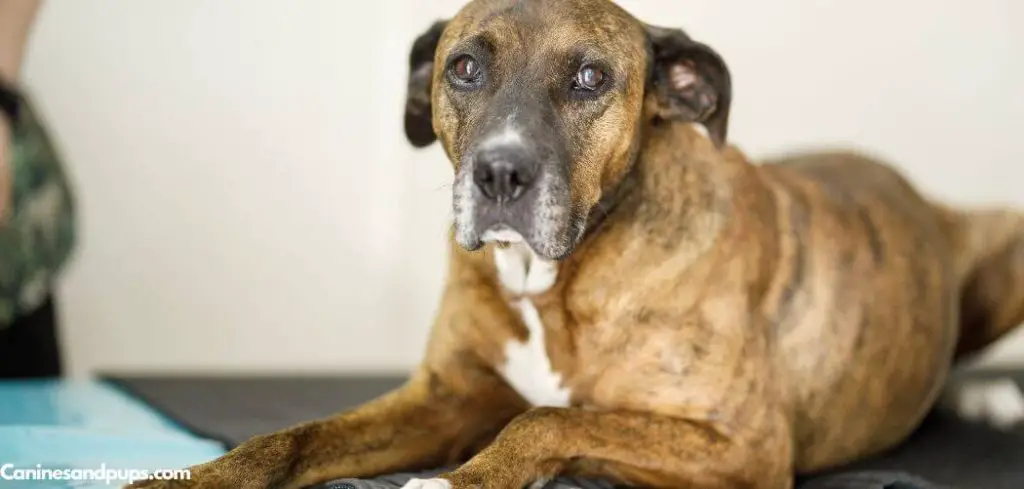
Old Dog Hacking Cough Sound
A hacking cough in an old dog is often described as a dry, harsh, repetitive cough that may sound like gagging or throat irritation.
Common causes include collapsed trachea, chronic bronchitis, kennel cough, or irritation in the upper airway. In senior dogs, heart disease can also contribute to coughing due to fluid buildup or pressure on the airways.
If the coughing is persistent or worsening, it should not be dismissed as normal aging because it often signals an underlying respiratory or cardiac condition.
Old Dog Dry Hacking Cough
A dry hacking cough in older dogs usually points to airway irritation rather than mucus buildup.
It is commonly seen with tracheal collapse, chronic bronchitis, allergies, or early heart disease. The cough may be more frequent after activity, excitement, or at night when the dog is resting.
Because dry coughs in seniors often indicate chronic disease, veterinary evaluation is important to determine the exact cause and manage it properly.
Old Dog Hacking Cough: Common Causes
Chronic Bronchitis
Chronic bronchitis is one of the most common causes of a long-term hacking cough in older dogs.
It happens when the lining of the airways becomes inflamed, often due to years of exposure to irritants like smoke, dust, or pollution.
The inflammation narrows the bronchial tubes, causing your dog to cough persistently — often worse at night or after activity.
You may notice your dog’s cough sounds dry and deep, sometimes followed by wheezing.
Though not contagious, chronic bronchitis is progressive, so early management and lifestyle adjustments (like avoiding smoke and using air purifiers) are essential.
Read more: Dog Constant Hacking Cough (Causes and what to do)
Tracheal Collapse
Toy and small breeds such as Yorkies, Pomeranians, and Chihuahuas are especially prone to tracheal collapse — a condition where the windpipe weakens and flattens during breathing.
When the trachea collapses, it triggers a harsh, “goose-honk” hacking cough, often brought on by excitement, pulling on the leash, or warm weather.
As dogs age, this condition tends to worsen due to decreased cartilage strength. If your old dog coughs when picked up or during exertion, this may be the culprit.
Switching from a collar to a harness and keeping your dog calm can significantly reduce coughing episodes.
Kennel Cough
Even senior dogs can catch kennel cough — especially if they’ve recently been boarded, groomed, or around other dogs.
Kennel cough produces a persistent, dry, hacking cough that may end with gagging or retching. While it often resolves on its own, older dogs with weaker immune systems are more prone to complications such as pneumonia.
If your senior dog’s cough lasts more than a week, worsens, or is accompanied by lethargy or nasal discharge, a vet visit is important to ensure it doesn’t progress to something more serious.
Heart Disease or Congestive Heart Failure
A hacking cough in an old dog is sometimes linked to heart problems — particularly congestive heart failure (CHF).
As the heart weakens, fluid can build up in or around the lungs, leading to irritation and coughing.
This cough is often soft but chronic, worse at night or after lying down. You might also notice heavy breathing, fatigue, or a swollen abdomen.
Heart-related coughing requires medical attention and often lifelong management. Medications can help reduce fluid buildup and ease breathing, greatly improving comfort and longevity.
Related: Old Dog Heart Murmur Life Expectancy
Allergies and Environmental Irritants
Like people, older dogs can develop allergies over time — to pollen, dust, mold, or even scented cleaning products.
Allergic irritation in the throat or lungs can cause an ongoing hacking cough, sneezing, or watery eyes.
If you’ve recently changed air fresheners, started using a fireplace, or moved your dog’s bed near a vent or heater, these might be contributing factors. Keeping your home smoke-free and using air filters can make a big difference.
Lung Infections
Old dogs are more vulnerable to bacterial or viral infections that affect the lungs.
Pneumonia can begin with a hacking cough that gradually becomes wet and productive, sometimes producing mucus or phlegm. Affected dogs may also show fever, lethargy, and reduced appetite.
This is a medical emergency in older pets — prompt antibiotics and supportive care are crucial for recovery. Delaying treatment can quickly lead to respiratory distress.
Related: Dog Hacking Cough at Night (Causes and what to do)
Old Dog Hacking All The Time
Constant hacking in an older dog is a warning sign of ongoing respiratory or cardiac disease.
Conditions like collapsing trachea, heart failure, lung infections, or chronic bronchitis can cause frequent coughing that does not fully resolve. The cough may become worse with movement, stress, or lying down.
If the hacking is persistent throughout the day or night, it should be evaluated urgently to prevent progression and discomfort.
Old Dog Hacking Cough at Night
Nighttime coughing in senior dogs is commonly associated with heart disease or airway inflammation.
When lying down, fluid or pressure in the chest can make breathing and coughing worse. Tracheal collapse and chronic bronchitis also tend to worsen at night.
If coughing disrupts sleep or becomes more frequent at night, veterinary assessment is needed to identify and manage the underlying condition.
Old Dog Coughing and Heart Disease
Coughing in dogs with heart disease is often caused by fluid buildup in the lungs or pressure from an enlarged heart pressing on the airways.
This type of cough may be soft, persistent, and worse during rest or at night. Other signs may include fatigue, reduced exercise tolerance, or labored breathing.
Heart-related coughing is a progressive condition that requires ongoing veterinary management to improve comfort and slow disease progression.
Old Dog Hacking Cough Treatment at Home
Home care can help support a dog with a mild or known chronic cough, but it does not replace veterinary treatment.
Start by observing how and when your dog coughs. A mild cough that occurs occasionally, especially after drinking water or excitement, may not be urgent. But if the cough is frequent, deep, or worsening, take action.
Keep your old dog in a calm, warm, and smoke-free environment. Avoid strong fragrances, candles, or cleaning sprays near them.
Ensure your dog wears a harness instead of a neck collar to prevent tracheal pressure. Gentle walks are fine, but avoid vigorous play until you know what’s causing the cough.
Hydration is important — encourage your dog to drink water to soothe the throat. A humidifier in the room can also help ease dryness and irritation, especially during cold or dusty seasons.
Never give over-the-counter human cough medicine unless directed by a vet. These can be dangerous for dogs, particularly seniors or those on heart medication.
If the cough persists for more than a few days or your dog seems tired or breathless, schedule a vet checkup. Catching respiratory or cardiac issues early makes treatment far more effective.
When to Call or Visit Your Vet
Contact your veterinarian right away if your old dog:
Has a hacking cough lasting more than 3–4 days
Shows signs of labored breathing or wheezing
Coughs up mucus, blood, or foam
Appears lethargic, weak, or loses appetite
Faints, collapses, or has a bloated abdomen
Old Dog Hacking Cough: Treatment
Treatment depends on the underlying cause. Your vet may recommend diagnostic tests such as chest X-rays, bloodwork, or an echocardiogram to pinpoint whether the issue is respiratory, infectious, or heart-related.
The veterinarian may prescribe cough suppressants and antibiotics (if infection is present).
If heart disease is diagnosed, treatment may include medications to reduce fluid buildup and strengthen heart function. For bronchitis or tracheal collapse, inhaled therapies or anti-inflammatory drugs can help manage symptoms.
Prompt diagnosis is essential — especially in older dogs where multiple age-related systems can overlap and complicate breathing.
Read more: Dog Constantly Hacking (Why it happens and what to do)
Key Takeaway
A hacking cough in an old dog should never be ignored — while some causes are mild, others may point to deeper issues like bronchitis, tracheal collapse, or heart disease.
Watch your dog closely for breathing changes, energy loss, or appetite decline. Gentle care at home helps, but persistent or worsening coughing always deserves veterinary evaluation.
With early diagnosis and the right treatment plan, many senior dogs live comfortably and continue to enjoy their golden years with minimal coughing episodes.


