
When your dog starts hacking and coughing in the middle of the night, it can be both alarming and heartbreaking.
Those sudden, harsh sounds might make you wonder if your dog is choking, sick, or just clearing their throat. We outline the common causes of a hacking cough at night in dogs and what you can do.
Table of Contents
Dog Hacking Cough at Night: Why It Happens
A hacking cough in dogs that worsens at night often points to irritation or inflammation in the airways. Common causes include kennel cough, collapsing trachea, allergies, heart disease, or respiratory infections.
Some dogs may also cough at night due to fluid buildup in the lungs, post-nasal drip, or dry indoor air that makes breathing harder when lying down. The timing and sound of the cough can give valuable clues to what’s going on.
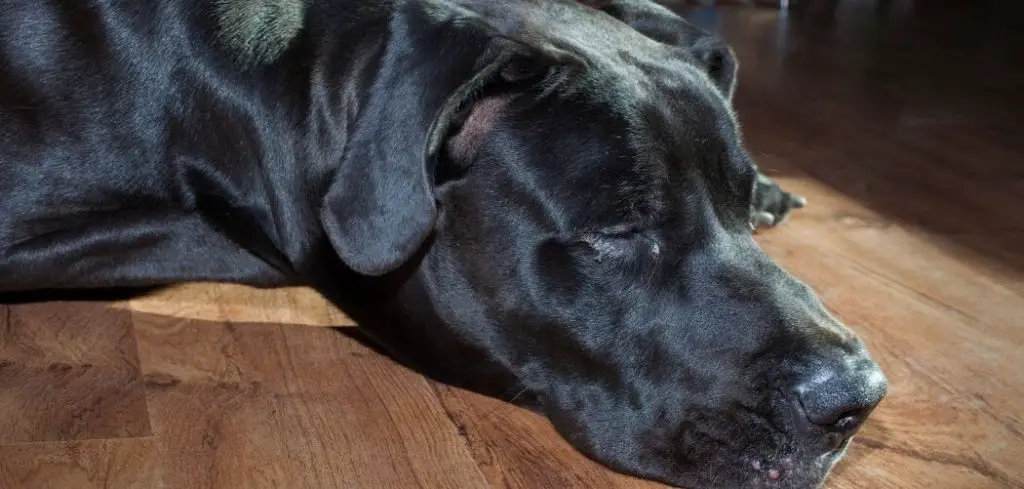
Dog Hacking Cough at Night: Common Causes
Kennel Cough
Kennel cough is one of the most frequent causes of hacking, especially at night.
It’s a contagious upper respiratory infection caused by a mix of viruses and bacteria that inflame the windpipe and bronchi.
The hallmark symptom is a dry, honking, hacking cough that worsens with excitement or when your dog lies down to sleep.
Most cases are mild, but if your dog has a fever, nasal discharge, or refuses food, it may have progressed to pneumonia and needs veterinary care.
Dogs who recently stayed in kennels, dog parks, or grooming facilities are most at risk.
Read more: Old Dog Hacking Cough (When to worry about that noisy cough)
Collapsed Trachea
Smaller breeds like Chihuahuas, Yorkies, and Pomeranians are especially prone to tracheal collapse — a condition where the cartilage rings in the windpipe weaken and flatten.
When your dog lies down or breathes deeply at night, the airway narrows, causing that familiar goose-honk sound followed by gagging or hacking.
It can worsen with excitement, pulling on the leash, or exposure to smoke and dust. Over time, this chronic irritation makes nighttime coughing frequent and distressing.
Weight management, harnesses (instead of collars), and prescription cough suppressants can help manage symptoms.
Heart Disease (Congestive Heart Failure)
Heart disease can lead to nighttime coughing because fluid builds up in the lungs or surrounding tissues when your dog is at rest.
This is especially common in older dogs or breeds prone to mitral valve disease, such as Cavalier King Charles Spaniels or Dachshunds.
You might notice your dog coughing mostly at night or after lying down, along with signs like fatigue, labored breathing, and reluctance to exercise.
If your dog’s gums look pale or blue, or if breathing seems strained, seek veterinary attention right away — heart-related coughing requires immediate care and long-term medication.
Allergies and Environmental Irritants
Dogs can develop nighttime coughing from allergens like dust mites, mold, smoke, or scented candles.
At night, these irritants can accumulate indoors and become more concentrated when windows are closed and air circulation is low. Dogs may hack or clear their throat repeatedly, sometimes accompanied by sneezing or watery eyes.
If your dog’s cough improves outdoors or during the day, allergies could be the culprit. Using air purifiers, washing bedding weekly, and avoiding smoking indoors can help reduce triggers.
Respiratory Infections
Viral and bacterial infections can inflame the respiratory tract and cause persistent nighttime coughing.
Dogs may also run fevers, lose their appetite, or appear lethargic. The cough may sound wet, phlegmy, or deep in the chest — suggesting lower respiratory involvement like bronchitis or pneumonia.
While mild infections can clear on their own, more serious ones often require antibiotics or supportive care.
Always isolate your coughing dog from others to prevent spread, especially if kennel cough or canine influenza is suspected.
Foreign Object or Throat Irritation
Sometimes, a piece of grass, seed, or food particle can get stuck in your dog’s throat or upper airway, leading to hacking fits that worsen at night when your dog is lying flat.
This can also happen after vigorous outdoor play or chewing on sticks. You might see drooling, gagging, or pawing at the mouth.
If the coughing doesn’t stop or your dog can’t swallow properly, a vet visit is needed immediately — trying to remove an object at home can cause injury.
Dog Dry Hacking Cough at Night
A dog with a dry hacking cough at night may be experiencing irritation or inflammation in the airways that becomes more noticeable when resting.
Common causes include kennel cough, allergies, throat irritation, collapsing trachea, asthma-like conditions, heart disease, or environmental irritants such as smoke, dust, or perfumes.
A dry cough often sounds harsh and repetitive, as if your dog is trying to clear something from their throat. I
f the cough is frequent, lasts more than a few days, or is accompanied by breathing difficulty, tiredness, reduced appetite, or nasal discharge, a veterinary examination is recommended.
Dog Hacking Cough at Only Night
A dog that only hacks or coughs at night may have a condition that worsens when lying down or during periods of rest.
Heart disease, especially congestive heart failure, can cause coughing at night because fluid may build up around the lungs when a dog is resting.
Other causes include acid reflux, post-nasal drainage from allergies, throat irritation, or chronic airway disease.
Monitoring when the cough occurs, how long it lasts, and whether it is triggered by lying down or activity can help your veterinarian identify the cause.
My Dog Has a Dry Cough and Then Gags
A dry cough followed by gagging is common in dogs with throat or airway irritation. The force of repeated coughing can trigger a gag reflex, making it appear as though the dog is trying to vomit.
Possible causes include kennel cough, collapsing trachea, allergies, foreign objects in the throat, respiratory infections, or heart-related problems.
If your dog is gagging frequently, producing foam, struggling to breathe, refusing food, or the cough is persistent, veterinary care is needed to determine the underlying cause.
Dog Coughing and Gagging Only at Night
A dog coughing and gagging only at night may be experiencing irritation in the throat, mucus buildup, acid reflux, or airway inflammation.
Some dogs cough repeatedly and then gag because the coughing stimulates the throat, even though they are not actually vomiting.
Conditions such as kennel cough, collapsing trachea, respiratory infections, and heart disease can also cause coughing followed by gagging.
If your dog repeatedly wakes up coughing and gagging, has difficulty breathing, or seems uncomfortable when lying down, veterinary evaluation is important.
Dog Hacking Cough Worse at Night
A hacking cough that becomes worse at night may indicate that the airways are more irritated when your dog is resting.
Lying down can increase pressure on the chest and make conditions such as heart disease, lung disease, or airway problems more noticeable.
Allergens in the sleeping environment, dry air, and accumulated mucus can also worsen nighttime coughing.
A cough that becomes progressively worse, occurs daily, or is accompanied by weakness, weight loss, rapid breathing, or fainting should be assessed by a veterinarian.
Old Dog Hacking Cough at Night
An old dog with a hacking cough at night should be monitored carefully because senior dogs are more likely to develop heart and respiratory conditions.
Nighttime coughing in older dogs may be linked to congestive heart failure, chronic bronchitis, lung disease, airway collapse, or other age-related changes.
While occasional coughing may occur from minor irritation, a new or worsening cough in a senior dog should not be ignored.
A veterinarian can evaluate the heart and lungs and recommend treatment to improve comfort and breathing.
What to Do If Your Dog Has a Hacking Cough at Night
Start by keeping your dog calm and comfortable. Excitement or anxiety can worsen coughing fits, especially in dogs with tracheal sensitivity.
Make sure the sleeping area is free from drafts, smoke, or perfume sprays, and consider using a humidifier to moisten dry air that can irritate the throat.
If your dog wears a collar, switch to a harness to relieve pressure on the trachea. Gentle chest rubs or steam sessions in the bathroom (with hot shower steam nearby, not directly on your dog) can also help loosen congestion.
Encourage hydration — warm water or low-sodium chicken broth can soothe the throat and thin mucus.
If your dog’s cough sounds harsh, lasts more than a few days, or comes with appetite loss, fever, or breathing changes, contact your vet. Never give human cough medicines or decongestants without professional guidance — some ingredients are toxic to dogs.
When to Call or Visit Your Vet
If your dog’s hacking cough is persistent, worsening, or primarily happens at night, it’s time to call the vet.
Seek immediate veterinary care if you notice:
Coughing that causes gagging, choking, or vomiting
Lethargy, rapid breathing, or blue-tinged gums
Loss of appetite or collapse after coughing
A wet, rattly cough suggesting fluid in the lungs
Coughing that lasts more than 7–10 days without improvement
Your vet may perform chest X-rays, blood tests, or heart scans to rule out conditions like pneumonia, collapsed trachea, or heart failure. Early treatment can make a significant difference in recovery and comfort.
Read more: Dog Constant Hacking Cough (Causes and what to do)
Dog Hacking Cough at Night: Treatment
Treatment for a dog hacking cough at night depends on the underlying cause. Your veterinarian may perform a physical examination, listen to the heart and lungs, take chest X-rays, or conduct blood tests to identify the problem.
Treatment may include antibiotics for certain infections, cough medications when appropriate, allergy management, medications for heart disease, airway support, or treatment for acid reflux.
Environmental changes, such as reducing smoke and dust exposure and using a humidifier, may also help in some cases.
If your dog has severe coughing, breathing difficulty, blue or pale gums, collapse, or worsening symptoms, seek veterinary care promptly.
Key Takeaway
A hacking cough at night isn’t something to ignore — especially when it’s persistent or disrupting your dog’s rest.
While kennel cough or mild irritation may resolve with rest and home care, more serious issues like tracheal collapse or heart disease require prompt veterinary attention.
Pay attention to patterns — how long the cough lasts, what it sounds like, and whether other symptoms appear. These clues can help your vet pinpoint the cause quickly.
With the right care and a calm environment, most dogs recover well and sleep soundly again.


