
Seeing your old dog fall over, lose balance, or stumble without warning can be frightening.
In senior dogs, falling is almost always a sign that something deeper is happening — whether physical, neurological, or sensory.
Table of Contents
Old Dog Falling Over: Why It Happens
An old dog falling over is usually experiencing weakness, neurological dysfunction, vestibular disease, joint problems, cognitive decline, or an underlying condition that affects balance, coordination, or strength.
Senior dogs are more vulnerable to sudden collapses and balance loss because aging affects the brain, muscles, joints, and sensory organs.
Sometimes falling happens suddenly, while other times it develops gradually through wobbling, stumbling, or struggling to rise.
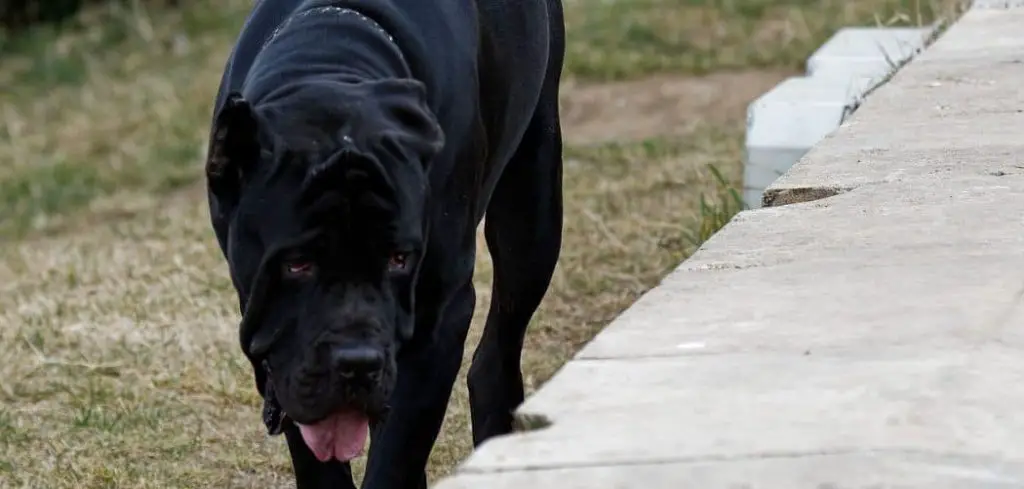
Old Dg Falling Over Suddenly
A senior dog suddenly falling over is a serious sign of an underlying medical problem affecting balance, strength, or the nervous system.
Common causes include vestibular disease, stroke-like events, heart problems, low blood pressure, poisoning, or severe weakness from illness.
Sudden onset is especially concerning because it often indicates an acute event rather than gradual aging.
This symptom should be treated as urgent, especially if it happens repeatedly or is accompanied by other changes like vomiting or confusion.
Old Dog Falling Over: Common Causes
Vestibular Disease
Vestibular disease is one of the most common reasons old dogs fall over. The vestibular system, located in the inner ear and brainstem, controls balance and spatial orientation.
When this system malfunctions, the world appears to spin, and dogs lose their ability to stand upright. An episode often begins abruptly and can be so overwhelming that the dog collapses, rolls, or repeatedly falls to one side.
Many dogs also experience rapid eye movement, head tilt, and severe dizziness that makes walking impossible.
The sudden nature of vestibular disease often mimics a stroke, leading owners to fear the worst.
Although dramatic, many dogs improve over several days with proper care, but some remain unsteady long-term due to age-related vestibular damage.
Read more: Old Dog Vestibular Disease (Signs, causes and treatment)
Stroke or Neurological Event Affecting Motor Control
A stroke occurs when blood flow to the brain is disrupted, and in older dogs, this can cause immediate collapse or loss of balance.
When parts of the brain responsible for coordination, awareness, or limb control are affected, the dog may fall over suddenly or repeatedly.
Strokes often lead to one-sided weakness, causing a dog to lean or fall toward the affected side. Some dogs appear dazed or confused, while others struggle to stand or walk more than a few steps.
Because strokes often happen without warning, falling may be the first noticeable symptom.
Neurological events unrelated to stroke — such as brain inflammation, bleeding, or seizures — can also cause sudden collapse or disorientation, making falling a common red flag for brain-related decline.
Read more: Old Dog Neurological Problems (What to watch out for)
Weakness From Underlying Health Problem
As dogs age, muscle mass naturally declines, joints become unstable, and arthritis creates stiffness and weakness that impact balance.
When an old dog tries to stand or walk, arthritic pain may cause the legs to buckle, leading to sudden falling. Chronic joint pain makes it difficult to plant the feet securely, especially on slippery floors.
Muscle loss in the hind legs, called sarcopenia, reduces strength and coordination, making old dogs more prone to stumbling or collapsing after long periods of rest.
Many dogs compensate for joint pain by altering their gait, but over time this compensation leads to instability.
If the weakness is severe, even small movements can cause the dog to tip over unexpectedly.
Heart Problems Causing Collapse or Fainting
Senior dogs commonly develop heart disease, which can lead to episodes where they suddenly fall over due to fainting or reduced blood flow to the brain.
When the heart cannot pump effectively, especially during mild exertion or excitement, the dog may collapse suddenly without warning.
These episodes are often brief but alarming. Dogs with advanced heart disease may also have coughing, fatigue, or a distended belly from fluid buildup.
Falling related to heart problems often appears random and may happen during standing, walking, or even after getting up from rest.
Because the heart and brain are closely connected, any cardiovascular decline can directly affect balance and stability.
Cognitive Dysfunction
Cognitive dysfunction, or dog dementia, affects a senior dog’s awareness, memory, and ability to navigate their environment.
Dogs with cognitive decline may fall over because they become confused about where they are, misjudge distances, or forget how to coordinate their limbs properly.
A dog may turn too quickly, back up without awareness, or try to walk through tight spaces and topple over.
Some dogs wander aimlessly or stand in corners, and when they try to move from these positions, they lose balance.
Cognitive decline also disrupts sleep patterns, leading to nighttime pacing and nighttime falls. Because the brain plays a major role in movement planning, cognitive dysfunction often manifests as stumbling, wobbling, or sudden collapse.
Read more: Old Dog Syndrome (Signs, causes and treatment)
Vision or Hearing Loss
Old dogs experiencing vision and hearing loss often fall because they cannot perceive their environment accurately.
A dog who cannot see obstacles or judge distances may walk into furniture, misstep on stairs, or become startled by approaching movement and lose balance.
Hearing loss adds to the confusion because dogs rely heavily on sound cues to orient themselves. When both senses decline together, the dog may misinterpret spatial cues, step sideways unexpectedly, or lean in the wrong direction, causing falls.
Many senior dogs with sensory loss become more hesitant and anxious, and sudden falling may reflect their attempts to navigate without reliable sensory feedback.
Inner Ear Inflammation or Infection
Inner ear infections cause inflammation of the structures responsible for balance. When the inner ear becomes swollen or filled with fluid, the dog experiences dizziness, stumbling, and sudden falling.
This dizziness often persists even when the dog is lying down. Falls associated with inner ear infection usually worsen with head movement or sudden changes in posture.
Some dogs also develop facial drooping, head tilt, or difficulty walking in a straight line. Because infections can progress rapidly, falling may become more dramatic over time without treatment.
Low Blood Sugar, Toxins, or Metabolic Imbalance
Metabolic issues such as low blood sugar, severe kidney disease, liver failure, or exposure to toxins can cause sudden weakness, disorientation, and collapse in senior dogs. These conditions affect the brain’s ability to regulate balance and coordination.
A dog may appear fine one moment and fall over the next, often accompanied by trembling, confusion, or difficulty standing.
When toxins or metabolic changes disrupt neurological function, falling becomes a visible sign that the body is struggling to maintain internal stability.
Read more: Old dog having trouble walking (Here’s why)
Old Dog Falling Over When Walking
When an older dog falls over while walking, it often points to balance issues, joint weakness, neurological disease, or muscle loss.
Conditions like arthritis, spinal disease, vestibular disorders, or nerve damage can affect coordination. Some dogs may also fall due to fatigue or poor circulation.
If this happens consistently, a veterinary evaluation is important to determine whether it is orthopedic, neurological, or systemic.
Old Dog Falling Over Like Drunk
A “drunk walking” appearance usually suggests a vestibular disorder, neurological dysfunction, toxin exposure, or severe inner ear infection. Dogs may stagger, tilt their head, or struggle to stay upright.
This condition can look dramatic, but is often treatable depending on the cause.
However, because similar signs can also occur with serious brain or metabolic disease, prompt diagnosis is essential.
Old Dog Falling Over and Shaking
Falling over combined with shaking is a strong indicator of neurological distress, severe pain, toxin exposure, low blood sugar, or systemic illness.
The shaking may be a response to fear, weakness, or involuntary muscle activity.
This combination is a medical emergency if it is sudden or severe and requires immediate veterinary attention.
Old Dog Falling Over and Vomiting
When falling over and vomiting occur together, it often suggests vestibular disease, poisoning, severe gastrointestinal illness, or neurological disorders affecting balance and nausea control.
Inner ear problems are a common cause of both symptoms in older dogs.
Because dehydration and worsening neurological signs can develop quickly, this combination should be assessed urgently.
Old Dog Falling Over and Peeing
Falling over with involuntary urination may occur during seizures, severe weakness, fainting episodes, or neurological events affecting bladder control.
It can also happen when a dog loses coordination completely and cannot maintain posture.
This is a serious symptom combination that often indicates neurological or systemic disease and requires veterinary evaluation.
Old Dog Losing Balance in Hind Legs
Loss of balance in the hind legs is commonly linked to arthritis, spinal disc disease, nerve compression, muscle weakness, or degenerative conditions.
In older dogs, gradual hind limb instability may worsen over time and lead to falls or difficulty standing.
Early diagnosis can help manage pain, improve mobility, and slow progression depending on the cause.
What are the end-of-life symptoms in elderly dogs? Is an old dog falling over a sign?
End-of-life symptoms in elderly dogs may include extreme weakness, loss of appetite, difficulty standing, frequent falling, confusion, incontinence, labored breathing, and withdrawal from interaction. These signs usually appear together rather than in isolation.
Falling over alone is not automatically a sign of the end of life. It can result from treatable conditions like vestibular disease or infections.
However, if falling over is combined with multiple severe symptoms and declining quality of life, it may indicate the dog is approaching the end stage of illness.
A veterinary assessment is important to determine prognosis and comfort options.
Read more: Old dog behavior before death (What to expect)
What to Do If Your Old Dog Is Falling Over
Begin by ensuring your dog is safe. If they are stumbling or collapsing, keep them in a confined, padded area where they cannot fall down stairs or onto hard floors.
Speak gently and remain calm, as sudden neurological or balance issues can make dogs fearful or panicked.
Limit movement until you understand the cause, because dogs with dizziness or weakness may injure themselves if allowed to walk freely.
Offer water but do not force food if your dog seems nauseated or disoriented.
Observe your dog closely and note when the falling occurs — during walking, standing up, turning, or randomly — as this provides valuable diagnostic clues.
Keep the environment quiet, dim, and non-stimulating to reduce dizziness or confusion.
If symptoms appeared suddenly, record the time and note any other changes such as vomiting, head tilt, or eye movement. Senior dogs experiencing falls should always be evaluated, even if they recover quickly.
When to Call or Visit Your Vet
Seek veterinary care if your old dog is falling over and shows:
• A head tilt, rapid eye movement, or signs of dizziness.
• Sudden collapse, fainting, or loss of consciousness.
• Difficulty standing, walking, or coordinating movements.
• Vomiting, lethargy, or severe confusion.
• Stumbling that worsens within hours.
• Weakness on one side of the body.
• Falling paired with coughing or breathing changes.
• Signs of pain, fear, or distress.
• Episodes that come and go unpredictably.
• Any sudden neurological changes.
Sudden falls in older dogs always warrant evaluation.
Read more: Old Dog Eyes Moving Back and Forth (Causes explained)
Key Takeaway
An old dog falling over may be facing vestibular disease, neurological issues, heart problems, weakness, cognitive decline, or sensory loss.
While some causes improve with treatment, others require ongoing support or urgent veterinary care.
By watching closely, providing a safe environment, and seeking timely diagnosis, you can help your senior dog stay comfortable, stable, and supported throughout their later years.


