
When an old dog starts eating less than usual, it can be worrying, especially if they have always enjoyed their meals.
You may notice your senior dog leaving food in the bowl, eating only a few bites, taking longer to finish meals, or showing less interest in food altogether.
A reduced appetite in an older dog can be temporary, but persistent changes deserve attention.
How much your dog is eating, how long the change has lasted, and whether they are losing weight, drinking differently, vomiting, or becoming less active can help determine how concerning the situation may be.
Table of Contents
Old Dog Eating Less: Why It Happens
An old dog may eat less because of changes in their sense of smell, dental discomfort, digestive problems, chronic illness, or reduced energy and appetite associated with an underlying health condition.
Dental disease, kidney disease, cancer, arthritis, medication side effects, and gastrointestinal problems are among the possible explanations.
As dogs age, changes in their teeth, mobility, and general health can make eating less comfortable or less appealing. Some senior dogs also develop illnesses that cause nausea, pain, or changes in metabolism, which can reduce their interest in food.
A dog eating less does not necessarily have a serious illness, particularly if the change is brief and they otherwise seem well. However, a persistent reduction in appetite or unexplained weight loss should not be dismissed as normal aging.
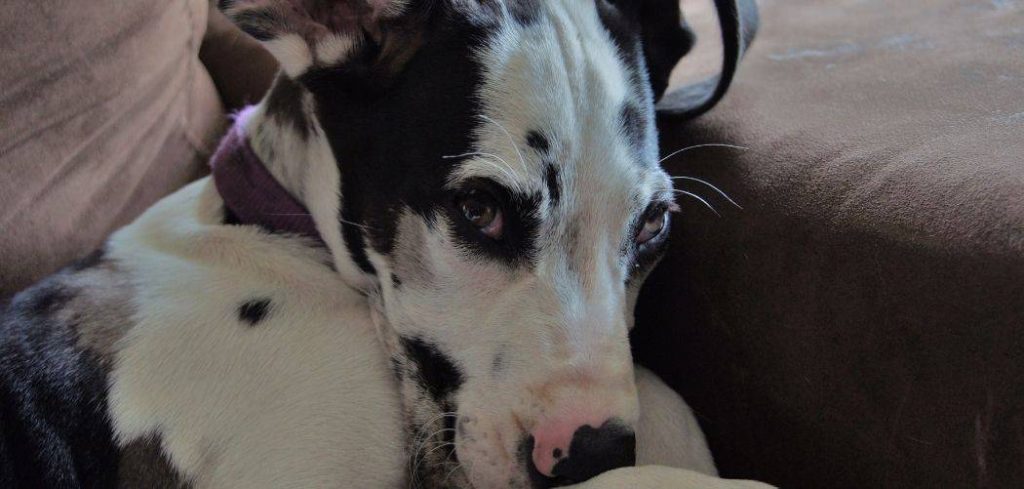
Old Dog Eating Less: Causes
Dental Disease and Mouth Pain
Dental disease is a common reason an older dog may lose interest in food. Periodontal disease, broken teeth, inflamed gums, and oral infections can make chewing uncomfortable.
Your dog may approach the food bowl but walk away after trying to eat. Some dogs prefer soft food, chew on one side of their mouth, drop food while eating, or take longer to finish a meal.
Other signs may include bad breath, drooling, pawing at the mouth, or reluctance to chew toys. However, some dogs have significant dental disease without obvious signs of discomfort.
If your old dog is eating less and showing signs of mouth pain, arrange a veterinary examination.
Changing to softer food may make eating easier temporarily, but it does not treat the underlying dental problem.
Related: Old Dog Teeth Falling Out (Why It Happens)
Kidney Disease
Chronic kidney disease is an important consideration in senior dogs with a reduced appetite.
As kidney function declines, waste products can accumulate in the bloodstream and contribute to nausea, poor appetite, and general discomfort.
An affected dog may gradually eat less, lose weight, drink more water, or urinate more frequently. Some dogs also develop vomiting, weakness, or dehydration as the disease progresses.
A dog with early kidney disease may show few obvious symptoms apart from changes in drinking, urination, or appetite.
If your old dog is eating less and drinking more than usual, veterinary assessment is important to determine whether kidney disease or another condition is involved.
Read more: Old Dog Not Eating: Why It Happens and What To Do
Gastrointestinal Problems
Digestive problems can reduce a dog’s appetite by causing nausea, abdominal discomfort, or changes in normal digestion.
Conditions such as gastritis, pancreatitis, constipation, and intestinal disease may cause an older dog to eat less than usual.
You may also notice vomiting, diarrhea, changes in stool consistency, abdominal discomfort, or a reluctance to eat after meals.
Some digestive problems are mild and temporary, while others require prompt veterinary treatment.
Persistent appetite loss, particularly when accompanied by vomiting or abdominal pain, should not be managed with home remedies alone.
Cancer
Cancer can affect appetite in older dogs, particularly when it causes pain, nausea, inflammation, or changes in the body’s metabolism.
Some dogs gradually lose interest in food and begin losing weight. Others develop a reduced appetite alongside vomiting, lethargy, abdominal changes, or other symptoms related to the affected organ.
However, eating less does not automatically mean an old dog has cancer. Many more common and treatable conditions can cause similar changes.
If your senior dog has an unexplained reduction in appetite or progressive weight loss, a veterinary examination can help identify the underlying problem.
Arthritis and Other Sources of Pain
An old dog with arthritis or another painful condition may eat less because moving to the food bowl, standing while eating, or lowering their head becomes uncomfortable.
You may notice stiffness after resting, difficulty getting up, reluctance to climb stairs, or changes in the way your dog walks.
Some dogs continue approaching their food but seem uncomfortable while standing or eating. Others may eat less because chronic pain affects their overall well-being.
A comfortable feeding area, a raised bowl when appropriate, and veterinary pain management may help.
However, do not assume that arthritis is the cause of reduced appetite without considering other medical problems.
Medication Side Effects
Certain medications can affect appetite in dogs. Some may cause nausea, digestive upset, or changes in how a dog feels after taking them.
If your old dog started eating less after beginning a new medication or changing a dosage, tell your veterinarian.
The timing may help determine whether the medication is contributing to the problem.
However, the underlying condition being treated may also affect appetite. Do not stop or adjust prescribed medication without veterinary guidance.
Changes in Smell, Taste, or Food Preferences
Some older dogs become less interested in food because their sense of smell or taste changes. Since smell plays an important role in a dog’s interest in meals, food may become less appealing.
Changes in routine, stress, a new feeding environment, or a recent diet change can also affect how much a dog eats.
These explanations are more reassuring when the dog remains energetic, maintains a stable weight, and has no other symptoms.
If the reduction in appetite persists or your dog begins losing weight, arrange a veterinary assessment rather than assuming they are simply becoming fussy.
Related: Old dog behavior before death (Common signs)
Old Dog Eating Less but Acting Normal
An old dog eating less but acting normally may have a mild change in appetite, but normal behavior does not rule out an underlying health problem.
If your dog is still drinking, walking, and interacting with you, these are reassuring signs. However, early dental disease, kidney problems, and other illnesses may initially cause only a subtle reduction in appetite.
Monitor how much your dog eats and whether their weight remains stable. If the reduced appetite continues, becomes more noticeable, or is accompanied by weight loss, arrange a veterinary appointment.
Old Dog Eating Less but Drinking Normally
An old dog eating less but drinking normally may have a problem affecting appetite rather than an obvious change in hydration.
Dental pain, nausea, medication side effects, and other illnesses can reduce food intake even when water consumption remains unchanged.
Normal drinking does not rule out kidney disease, diabetes, or other medical conditions. If your dog is consistently eating less than usual, particularly if they are losing weight, contact your veterinarian.
Old Dog Eating Less and Sleeping More
An old dog eating less and sleeping more may be experiencing discomfort, reduced energy, or an underlying illness.
Although senior dogs often sleep more than younger dogs, a noticeable increase in sleeping combined with reduced appetite should not automatically be attributed to age.
Kidney disease, infection, chronic pain, and other conditions may cause both changes.
If your dog is unusually tired, reluctant to get up, or showing less interest in familiar activities, arrange a veterinary assessment.
Seek immediate care if the changes are sudden or accompanied by vomiting, weakness, or difficulty breathing.
Old Dog Eating Less and Losing Weight
An old dog eating less and losing weight may not be receiving enough calories to maintain their body condition, or an underlying illness may be affecting how their body uses nutrients.
Dental disease, kidney disease, cancer, and gastrointestinal problems are among the possible causes.
Weight loss is particularly concerning when it continues despite attempts to encourage eating or when your dog appears hungry but cannot comfortably finish a meal.
Arrange a veterinary examination if your senior dog is losing weight without an obvious explanation. Do not rely on adding extra treats or changing foods repeatedly to address unexplained weight loss.
Read more: Old Dog Eating But Losing Weight (Here’s Why)
Old Dog Eating Less: What to Do
If your old dog is eating less than usual, start by observing their eating habits and making meals as comfortable and appealing as possible while arranging veterinary advice when appropriate.
Offer their usual food in a quiet, comfortable location. If your dog has difficulty chewing, you can try softening their regular food with a little warm water, provided they can swallow comfortably.
Offer smaller, more frequent meals if your dog seems interested in eating but struggles to finish a larger portion. Avoid introducing several unfamiliar foods or rich treats, as these may cause digestive upset.
Make sure your dog has access to fresh water and monitor their drinking, urination, and bowel movements. Record how much they eat and whether their appetite is improving or declining.
If your dog is losing weight, refusing food, or showing other symptoms, contact your veterinarian rather than continuing to experiment with different foods.
When to Call or Visit the Vet
A persistent reduction in appetite in an old dog needs veterinary attention, particularly when it is new, unexplained, or accompanied by other changes.
Contact your veterinarian promptly if your dog:
Eats noticeably less for more than a day or repeatedly skips meals.
Is losing weight or becoming thinner.
Has bad breath, drooling, or difficulty chewing.
Is drinking or urinating more than usual.
Develops vomiting, diarrhea, or constipation.
Seems unusually tired or less interested in normal activities.
Has difficulty standing, walking, or reaching their food.
Seek urgent veterinary care if your dog is unable to keep water down, has severe weakness, collapses, develops a swollen or painful abdomen, or has difficulty breathing.
If your dog refuses food completely, contact your veterinarian the same day for advice, especially if they are elderly or have an existing medical condition. Do not wait for several days if other symptoms are present.
Old Dog Eating Less: Treatment
Treatment for an old dog eating less depends on the underlying cause. Dental disease may require professional dental treatment, while kidney disease or other chronic conditions may need dietary management and supportive care.
Digestive problems may require appropriate medication, fluid support, or a temporary feeding adjustment.
If pain or medication side effects are contributing to appetite loss, the veterinarian may adjust the treatment plan.
Nutritional support may also be necessary when a dog is not eating enough to maintain their weight.
The aim is to address the underlying problem, improve comfort, and help your dog maintain adequate nutrition.
Key Takeaway
An old dog eating less may be experiencing a temporary change in appetite, but persistent reduced food intake can also be an early sign of dental disease, kidney problems, digestive illness, or another health condition.
Pay attention to how much your dog eats, whether they are losing weight, and whether their drinking, energy, or behavior has changed. These details can help your veterinarian identify the cause.
Do not assume that eating less is simply part of getting older. If your senior dog has a persistent reduction in appetite, arrange a veterinary assessment.
Early attention can help identify treatable problems and support your dog’s comfort and well-being.


