
Urinary tract infections (UTIs) in dogs are not only uncomfortable but can also cause troubling side effects like appetite loss.
When your dog is dealing with a UTI and not eating, it can signal that the infection is causing systemic discomfort or even progressing to something more serious.
We outline the common reasons why a dog with UTI may stop eating, what you can do at home, and when to seek veterinary help.
Table of Contents
Dog UTI and Not Eating: Why It Happens
When a dog has a UTI and stops eating, it often indicates pain, nausea, or a deeper medical issue triggered by the infection. A UTI can cause significant inflammation, bladder spasms, and systemic infection if left untreated.
Sometimes the discomfort associated with urination makes dogs reluctant to move or eat.
In more advanced cases, the infection might spread to the kidneys or bloodstream, resulting in more severe symptoms including lethargy, fever, vomiting, and anorexia.
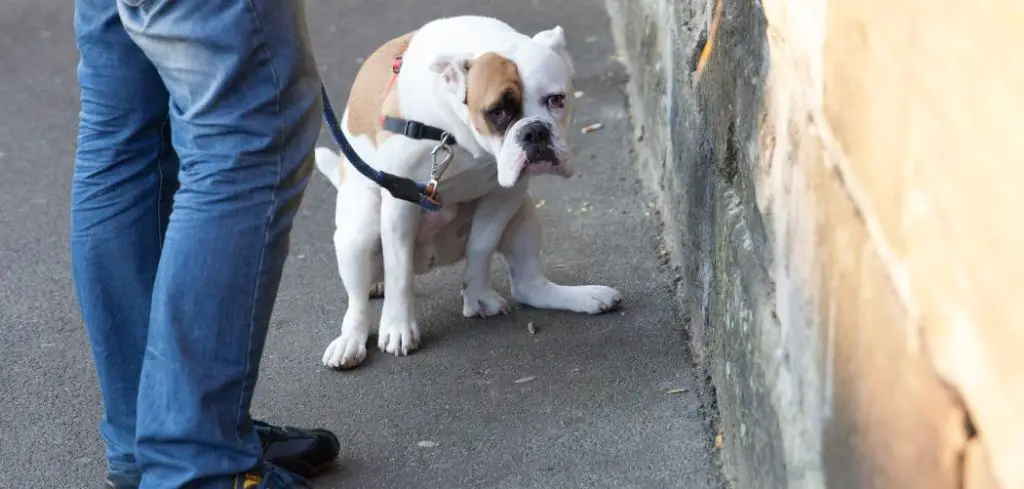
What are the Signs of Worsening Dog UTI?
A worsening urinary tract infection (UTI) often causes more than just frequent urination.
Signs that the infection may be progressing include straining to urinate, producing only small amounts of urine, blood in the urine, increased accidents in the house, strong-smelling urine, lethargy, fever, loss of appetite, and signs of pain when urinating.
If the infection spreads to the kidneys, dogs may become much sicker and develop vomiting, weakness, or dehydration.
A dog that suddenly becomes lethargic or stops eating while being treated for a UTI should be re-evaluated by a veterinarian.
Dog UTI and Not Eating: Common Causes
Bladder Infection (Bacterial UTI)
A simple bacterial infection in the bladder can cause burning, straining, and frequent urination. This pain can lead to stress, reduced appetite, and lethargy.
What is noticed is a dog needing to urinate more often, possibly having accidents in the house, or excessively licking the genital area.
If the dog is also not eating, it may be due to nausea from swallowed mucus, toxins from bacteria, or the overall discomfort the infection causes.
UTIs that go untreated may become recurrent or progress to kidney infections.
Read more: Dog Not Responding to Antibiotics for UTI (Here’s why)
Kidney Infection
Sometimes a lower urinary tract infection ascends into the kidneys, causing a more serious illness known as pyelonephritis.
This condition causes fever, vomiting, and loss of appetite. Dogs may drink excessively but still seem dehydrated.
Left unchecked, a kidney infection can lead to permanent kidney damage, sepsis, and chronic health issues. Appetite loss is often one of the earliest red flags.
Bladder Stones or Crystals
Bladder stones and urinary crystals can irritate the bladder lining and make urination painful.
This pain, combined with inflammation and sometimes blood in the urine, can cause dogs to feel unwell and avoid food.
Some dogs strain to urinate, show signs of abdominal discomfort, or cry out when trying to pee. Stones can also predispose dogs to recurrent UTIs.
In male dogs, stones may even cause urinary blockages, which are life-threatening emergencies.
Pain and Inflammation
Any infection in the urinary tract creates inflammation. Dogs in pain may go off food entirely, especially if they feel discomfort when lying down, walking, or trying to pee.
UTIs can also cause bladder spasms or a constant urge to urinate, both of which are physically and emotionally exhausting for a dog.
The combination of pain and frequent sleep interruptions may lower appetite significantly.
Secondary Illness
Some dogs develop UTIs because of an underlying issue such as diabetes, Cushing’s disease, or immune compromise.
When a UTI occurs in these dogs, it may also coincide with broader symptoms like vomiting, appetite changes, or systemic fatigue.
If your dog has a known health condition and suddenly develops both a UTI and appetite loss, it’s important to consider whether their overall health status is worsening.
Stress and Anxiety
The discomfort of a UTI can trigger behavioral changes in sensitive dogs.
Stress, restlessness, house-soiling, and anxiety can all play a role in suppressing appetite. If a dog associates urination with pain, they may start to withdraw, avoid food, and seem unusually down.
This emotional toll can linger even after the physical infection is treated, so early intervention is key.
Senior Dog UTI and Not Eating
A senior dog with a UTI that stops eating may be showing signs that the infection is becoming more severe or that another underlying health problem is present.
Older dogs are more vulnerable to complications from urinary infections, including kidney infections and systemic illness.
Loss of appetite is not a typical sign of a mild UTI and often suggests that the dog is feeling unwell overall.
Because senior dogs can decline quickly, reduced appetite alongside urinary symptoms should prompt veterinary attention.
Related: Old dog UTI (Causes and treatment)
Dog UTI and not eating but drinking water
A dog with a UTI that refuses food but continues drinking water may be experiencing discomfort, fever, or nausea associated with the infection.
Some dogs increase their water intake when they have urinary tract problems because the body is trying to flush bacteria from the urinary system.
While continued drinking is a positive sign, appetite loss indicates that the condition may be affecting the dog’s overall well-being.
If the dog continues to refuse food for more than a day or develops additional symptoms, veterinary assessment is needed.
Dog UTI, Not Eating, and Vomiting
When a dog has a UTI, stops eating, and begins vomiting, the condition may be more serious than a simple bladder infection.
Vomiting can occur if the infection has spread to the kidneys, caused significant inflammation, or contributed to dehydration.
Other possibilities include urinary obstruction or an unrelated illness occurring at the same time.
Because vomiting and appetite loss can indicate systemic illness, prompt veterinary evaluation is important to determine the cause and begin appropriate treatment.
Dog UTI, Not Eating, and Diarrhea
A dog with a UTI that also develops diarrhea and refuses food may be experiencing a more widespread illness or a reaction to medications used to treat the infection.
While diarrhea is not a classic symptom of a urinary tract infection, it can occur due to stress, antibiotic side effects, or an underlying disease affecting multiple body systems.
The combination of urinary symptoms, diarrhea, and appetite loss increases the risk of dehydration and should be discussed with a veterinarian, especially if symptoms persist or worsen.
What to Do If Your Dog Has a UTI and Is Not Eating
Start by monitoring your dog’s hydration levels. Offer clean, fresh water and encourage drinking by adding ice cubes or a splash of broth.
Tempt your dog to eat with bland, easy-to-digest food like plain boiled chicken and rice. If that fails, baby food (without garlic or onion) may be an option in the short term.
Keep your dog comfortable and clean, especially around the genital area. Use unscented pet wipes to gently wipe after urination.
Watch for any worsening signs, including vomiting, complete anorexia for more than 24 hours, or worsening urination habits.
Do not attempt to treat UTIs at home with leftover antibiotics or supplements without a confirmed diagnosis. These infections require specific treatment.
When to Call or Visit Your Vet
If your dog hasn’t eaten in over 24 hours, it’s time to call your vet.
Signs of dehydration, such as dry gums, sunken eyes, or excessive lethargy, warrant immediate care.
Straining to urinate without producing much, vocalizing during urination, or blood in the urine are serious indicators.
If vomiting, diarrhea, or signs of fever (warm ears, shaking, excessive sleepiness) are also present, your dog may be dealing with more than just a bladder infection.
UTIs can turn serious quickly, especially in puppies, seniors, and dogs with underlying health conditions.
Read more: Dog Peeing a Lot and Not Eating (Why it happens)
Key Takeaway
When your dog has a UTI and isn’t eating, it’s more than just a minor appetite issue—it’s a sign their body is struggling.
Bladder infections, kidney issues, or systemic illness can all result in loss of appetite and require prompt treatment.
Keep your dog hydrated, offer gentle foods, and consult your vet early to prevent complications.
Quick action can mean faster recovery and less discomfort for your furry friend.