
If your dog is suddenly scared in the car after previously traveling comfortably, the change can be confusing and concerning.
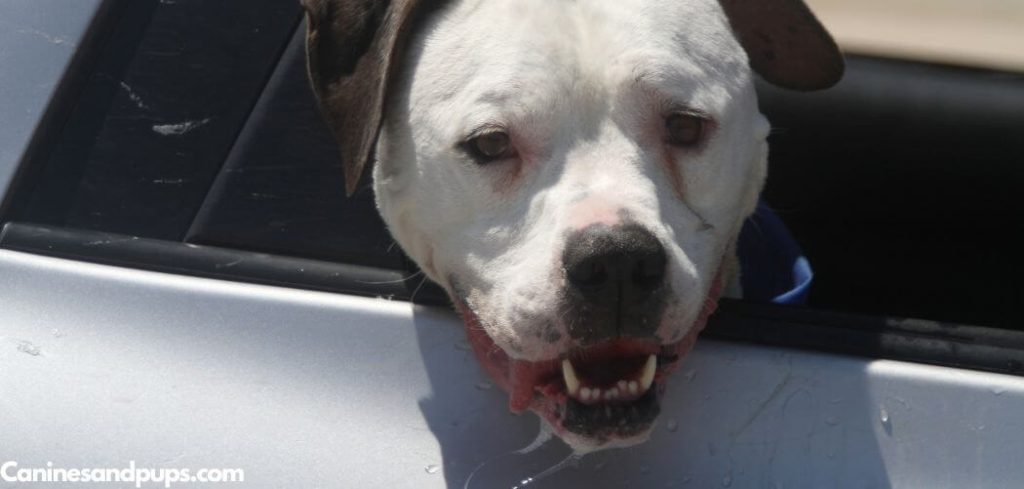
A dog may suddenly begin trembling, panting, whining, drooling, hiding, barking, or trying to escape the car.
We explain the common reasons for a dog suddenly being scared in the car, what you can do, and when it’s time to contact your veterinarian.
Table of Contents
Dog Suddenly Scared in Car: Why It Happens
A dog suddenly scared in the car may have developed travel anxiety, motion sickness, a negative association with a previous journey, pain when getting into or riding in the car, or an underlying medical problem affecting balance or the senses. Some dogs experience both nausea and anxiety, particularly if they have previously felt sick during a journey.
In adult and senior dogs, a new or unusually intense fear can also be associated with pain or sensory changes.
Dog Suddenly Scared in Car: Signs
Depending on the underlying cause, a dog may also experience:
Trembling or shaking
Panting
Whining or barking
Excessive drooling
Pacing or restlessness
Lip licking
Vomiting
Trying to hide or escape
Dog Suddenly Scared in Car: Common Causes
Motion Sickness
Motion sickness can make a previously comfortable dog suddenly associate car travel with feeling unwell. The movement of the vehicle can affect the balance system in the inner ear and trigger nausea.
A nauseated dog may drool excessively, lick their lips, pace, whine, become unusually quiet, or vomit.
Some dogs begin feeling anxious before the car even starts moving because they remember becoming sick during previous trips.
If nausea is suspected, your veterinarian can determine whether motion-sickness treatment is appropriate.
Read more: Dog Panting Excessively in Car (What it means)
A Previous Frightening Experience
A sudden braking event, accident, loud noise, rough journey, or another frightening experience can change how a dog feels about the car.
Dogs can form associations between an unpleasant event and nearby objects or situations.
As a result, your dog may become anxious as soon as they see the car, hear the doors open, or notice other cues that predict a journey.
Gradual, positive retraining can help rebuild a sense of safety.
Anxiety About the Destination
Some dogs learn that getting into the car usually means going somewhere stressful, such as the veterinarian or groomer.
Your dog may therefore become frightened before the journey even begins. They may hide when they see the keys, resist getting into the vehicle, tremble once inside, or vocalize throughout the trip.
Creating positive experiences around the car can help break this association.
Pain When Getting Into or Riding in the Car
A dog may become afraid of the car because climbing into it, being lifted, standing on the seat, or coping with movement causes pain.
This can be particularly important in senior dogs with arthritis, back problems, or other orthopedic conditions.
Your dog may hesitate at the car door, cry when being lifted, struggle to stand, or appear uncomfortable during turns and braking.
A veterinary examination can determine whether pain is contributing to the sudden behavioral change.
Inner-Ear or Balance Problems
The inner ear plays an important role in balance and motion perception. Disorders affecting the middle or inner ear can contribute to nausea, dizziness, and difficulty tolerating car travel.
A dog with an underlying balance problem may also show head tilting, wobbling, falling, circling, or unusual eye movements.
These signs require veterinary assessment rather than treating the problem as simple car anxiety.
Poor Restraint or Slippery Surfaces
A dog that feels unstable inside the vehicle may become frightened because they cannot maintain their footing.
Sliding on a seat during turns or braking can make the car feel unpredictable and unsafe.
Providing secure, comfortable footing and an appropriate safety restraint can make the journey less stressful.
Your dog should always be safely secured during travel.
Changes in Hearing or Vision
Age-related changes in hearing or vision can alter how a dog experiences the car. Sounds, movement, and visual information may become more difficult to process, potentially making familiar situations seem frightening.
Senior dogs may also become more sensitive to unexpected movements or noises.
If your older dog has developed a sudden new fear of the car, a veterinary check is worthwhile to identify possible sensory or medical changes.
General Anxiety or Stress
Some dogs become more anxious over time, even when there has not been one obvious frightening event.
Stress may appear as panting, pacing, whining, barking, trembling, drooling, or attempts to escape.
Anxiety can also develop alongside motion sickness, creating a cycle in which the dog becomes fearful because they expect to feel sick.
Behavior modification and, when appropriate, veterinary treatment can help reduce this response.
Read more: Dog suddenly scared to go outside (Why it happens)
What to Do If Your Dog Is Suddenly Scared in the Car
Start by making sure your dog is physically comfortable and safely restrained. Keep the car cool and well ventilated, provide secure footing, and avoid forcing your dog to remain in the vehicle if they are showing severe distress.
For mild anxiety, gradually reintroduce the car rather than immediately taking a long journey.
Begin with simply approaching or sitting in the stationary car, then progress to short periods inside, starting the engine, and eventually taking very short trips.
Pair calm behavior with something your dog enjoys and only progress when they remain relaxed.
If your dog begins panting heavily, drooling, trembling, or refusing rewards during training, the step is probably too difficult.
Stop and return to an easier stage rather than forcing them to continue.
If vomiting, excessive drooling, or other signs of nausea occur, speak with your veterinarian about whether motion sickness may be contributing to the problem.
When to Call or Visit Your Vet
A sudden change in your dog’s behavior during car travel deserves attention, particularly if they previously enjoyed riding in the car.
Schedule an appointment if you notice:
Fear that continues after the journey ends
Repeated vomiting or drooling during travel
Persistent panting or trembling
Difficulty getting into the car
Signs of pain when being lifted or moved
New fear in an older dog
Head tilting or balance problems
Anxiety that is becoming progressively worse
Seek urgent veterinary attention if your dog develops:
Severe difficulty breathing
Collapse or inability to stand
Repeated vomiting with weakness
Severe disorientation
Sudden loss of balance
Seizures
Signs of significant pain
Dog Suddenly Scared in Car: Treatment
Veterinary treatment for a dog that suddenly becomes frightened in the car begins with an examination to rule out physical problems that could be contributing to the behavioral change.
The veterinarian may assess the dog’s ears, vision, balance, pain level, and overall health and may recommend additional testing when appropriate.
If anxiety is diagnosed, treatment may include behavior modification, gradual desensitization, pheromone therapy, or veterinarian-prescribed anti-anxiety medication for dogs with more severe car-related fear.
Recovery and Monitoring
Recovery depends on why your dog became frightened. Dogs with mild anxiety may improve with gradual positive training, while dogs with motion sickness, pain, or an underlying medical condition need treatment for the contributing problem.
Keep track of when the fear begins—before entering the car, when the engine starts, or once the vehicle begins moving.
Also note whether your dog drools, licks their lips, vomits, pants, trembles, or shows signs of pain.
Avoid forcing your dog through severe fear, as repeated stressful journeys can strengthen the negative association.
Gradual exposure and positive reinforcement are generally more helpful.
Key Takeaway
A dog suddenly scared in the car may be experiencing motion sickness, travel anxiety, a frightening previous experience, pain, balance problems, sensory changes, or another underlying condition.
A sudden behavioral change should not automatically be treated as stubbornness, particularly in an adult or senior dog.
If your dog repeatedly becomes distressed, vomits, appears painful, develops balance problems, or shows other new symptoms, speak with your veterinarian.
If they collapse, have severe breathing difficulty, seizures, severe disorientation, or another emergency sign, seek urgent veterinary care.


