
When a dog suddenly stops finishing meals, it can feel confusing and unsettling, especially when they still show some interest in food.
Even small changes in eating habits can be early clues that something deeper is going on with your dog’s health or emotional state.
In this guide, we explain the reasons why a dog may suddenly not finish their food and what you can do.
Dog Suddenly Not Finishing Food: Why It Happens
A dog suddenly not finishing food is usually caused by mild illness, digestive discomfort, dental pain, stress, or changes in taste and smell that make eating less appealing.
Dogs may still approach their bowl and sniff or take a few bites, but nausea, mouth pain, or internal inflammation can make them stop before they finish.
Hormonal imbalances, early infection, or emotional stress can also blunt appetite without making a dog completely refuse food.
Because eating is closely tied to survival instincts, this partial appetite loss often signals something real is going on even when a dog otherwise seems okay.
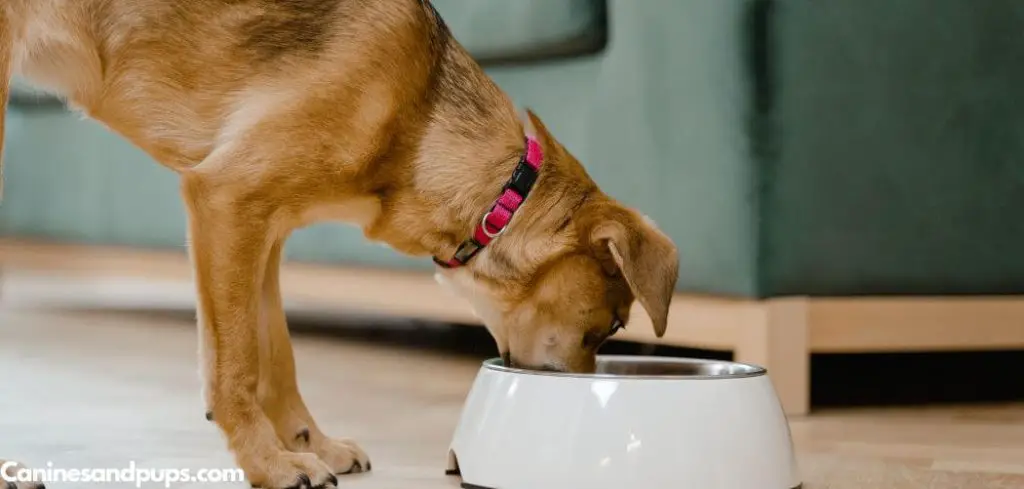
Dog Suddenly Not Finishing Food: Common Causes
Stomach Upset
A dog with an upset stomach may feel hungry but become nauseated after eating a small amount. This leads to starting a meal and then walking away, sometimes licking their lips or swallowing repeatedly.
You might notice burping, mild diarrhea, grass eating, or a hunched posture after meals. These dogs often come back to the bowl later but still fail to finish.
Nausea can be an early warning sign of infections, pancreatitis, food intolerance, or toxin exposure, making this a symptom that should never be ignored.
Read more: Old dog Not Eating (Why it happens)
Dental Pain or Gum Disease
When a dog develops inflamed gums, loose teeth, or infections under the gum line, chewing becomes uncomfortable even if they are hungry. Dogs with dental pain often approach their food, take a few bites, then back away because the pressure of chewing hurts.
You may notice bad breath, drooling, pawing at the mouth, or favoring one side while chewing. Dry kibble is especially difficult because it requires more pressure to break down.
Dental disease is serious because bacteria from the mouth can enter the bloodstream and affect the heart, kidneys, and liver, turning a simple eating change into a whole-body health risk.
Stress
Dogs are highly sensitive to changes in their environment. New pets, moving, loud noises, schedule changes, or tension in the household can all suppress appetite.
A stressed dog may sniff their food, take a few bites, and then leave because their nervous system is in fight-or-flight mode rather than eating mode. You may also notice pacing, clinginess, hiding, or changes in sleep.
Chronic stress weakens the immune system and worsens digestive health, so appetite changes from emotional strain can lead to bigger health issues over time.
Food Aversion or Taste Fatigue
Sometimes dogs stop finishing food because they have developed a negative association with that meal. If a dog once ate and then felt sick, their brain may link the food with nausea even if the food itself was not the cause.
You might see your dog approach the bowl but hesitate, sniff, or walk away, especially if the same food has been served for a long time.
This is important because food aversion can mask medical problems and also lead to poor nutrition if it continues.
Early Illness or Infection
Many illnesses start with subtle appetite changes before more dramatic symptoms appear. A dog may not finish meals due to inflammation, fever, or discomfort that isn’t yet obvious.
You might also see lower energy, sleeping more, or mild behavioral changes. These dogs often eat less but still show interest in food.
Early detection is critical because infections, organ disease, and immune disorders are much easier to treat when caught early.
Hormonal or Metabolic Changes
Conditions like thyroid disease, diabetes, or adrenal disorders can alter hunger signals. Dogs may feel hungry but tire quickly while eating or lose interest mid-meal.
You may notice weight changes, drinking more or less water, coat changes, or shifts in energy.
These diseases affect the entire body and can become life-threatening if not diagnosed and managed properly.
Read more: Dog Suddenly Not Eating Kibble (Why it happens)
Dog Suddenly Not Finishing Food: What to Do
If your dog suddenly stops finishing meals, start by closely observing their behavior, stool, and energy levels over the next 24 to 48 hours. Even subtle changes can provide valuable clues about what’s happening internally.
Try offering smaller, more frequent meals rather than one large serving, which can reduce nausea and make eating feel easier. Warm the food slightly to enhance aroma, which can stimulate appetite in dogs whose smell is reduced by illness or stress.
Make sure fresh water is always available, since dehydration worsens appetite and digestion. If your dog is not drinking normally, this becomes more urgent.
Create a calm feeding environment by reducing noise, feeding away from other pets, and sticking to a consistent schedule. Stress reduction alone can sometimes restore normal eating.
Avoid switching foods repeatedly in a short time, as this can worsen digestive upset. Instead, offer simple, bland options like plain cooked chicken and rice for a short period if your dog is nauseated.
When to Call or Visit Your Vet
If your dog has not finished meals for more than 24 hours, especially if the behavior is new, a veterinary exam is recommended.
Call your vet immediately if appetite loss is accompanied by vomiting, diarrhea, lethargy, drooling, or signs of pain. These combinations suggest something more than a simple picky phase.
Urgent care is needed if your dog also refuses water, seems weak, has pale gums, or collapses, as these can indicate dehydration, infection, or internal organ problems.
Puppies, senior dogs, and dogs with chronic conditions should always be seen sooner because they deteriorate faster when they stop eating normally.
Read more: Dog Suddenly Not Eating But Drinking Water (What it means)
Key Takeaway
A dog suddenly not finishing food is rarely just a behavior issue. It is often an early sign of dental pain, digestive upset, stress, or internal illness.
By watching closely, offering supportive care, and knowing when to call the vet, you can protect your dog’s health and catch serious problems before they become emergencies.